US orders Project Freedom naval mission as Iran warns of ceasefire breach in Strait of Hormuz
President Trump launches new operation to guide ships through the strait, prompting formal diplomatic objections from Tehran and continued critical security alerts from the UK Maritime Trade Operations.
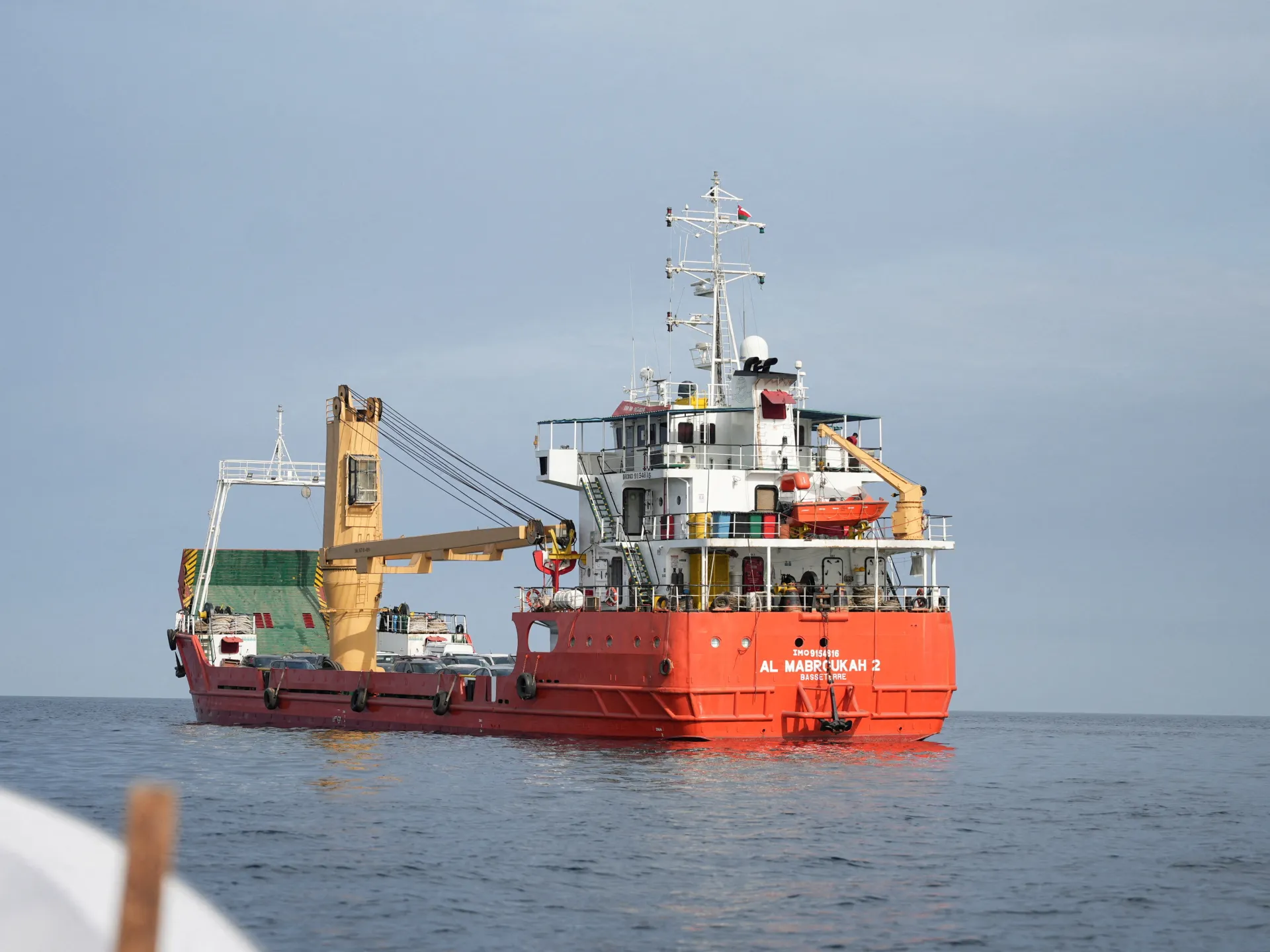
United States President Donald Trump has ordered the commencement of a new naval operation, designated Project Freedom, aimed at navigating vessels through the Strait of Hormuz. The mission is scheduled to begin on Monday, targeting the de facto blockade that has restricted maritime access to the strategic waterway since late February.
Iran has issued a formal diplomatic warning in response to the announcement, asserting that any US interference within the strait constitutes a violation of the existing ceasefire agreement. Top Iranian lawmaker Ebrahim Azizi stated that Tehran maintains control over the waterway and will not tolerate external navigation efforts that breach the current truce.
The Strait of Hormuz remains a critical global chokepoint, facilitating the passage of approximately one-fifth of the world's oil and liquefied natural gas supplies. Since the initial attacks launched by the United States and Israel on February 28, maritime traffic has plummeted to roughly 20 vessels per day, a stark contrast to the average of 129 transits recorded prior to the conflict.
Despite the escalation in military posturing, international energy markets have shown no immediate reaction. The benchmark Brent crude oil price remained essentially flat on Monday morning, suggesting that the market has yet to fully price in the potential impact of the new US naval mission or the continued closure of the strait.
The United Kingdom Maritime Trade Operations (UKMTO) maintains that the security threat level in the region remains critical due to ongoing military operations. This assessment underscores the volatile nature of the waterway, where the effective closure continues to inflict significant strain on Indo-Pacific security, according to Japanese Prime Minister Sanae Takaichi.
Concurrent with the developments in the Gulf, regional hostilities have intensified along Israel's northern border. Israeli forces dropped flares and shelled the outskirts of several towns in Lebanon overnight, including Braachit, Safad El Battikh, Yater, Majdel Selm, and Chaitiyeh, according to Lebanon's National News Agency.
As the conflict enters its 66th day, the juxtaposition of US attempts to restore shipping lanes and Iran's insistence on maintaining the blockade highlights the deepening institutional deadlock. The situation remains fluid, with the success of Project Freedom hinging on whether Tehran will allow passage or escalate its enforcement of the blockade.