US Open influencer push tests the limits of sports marketing
The US Open accredited 100 influencers this year, but disruptive content-making has prompted players and organisers to reinforce the rules of match-day conduct.
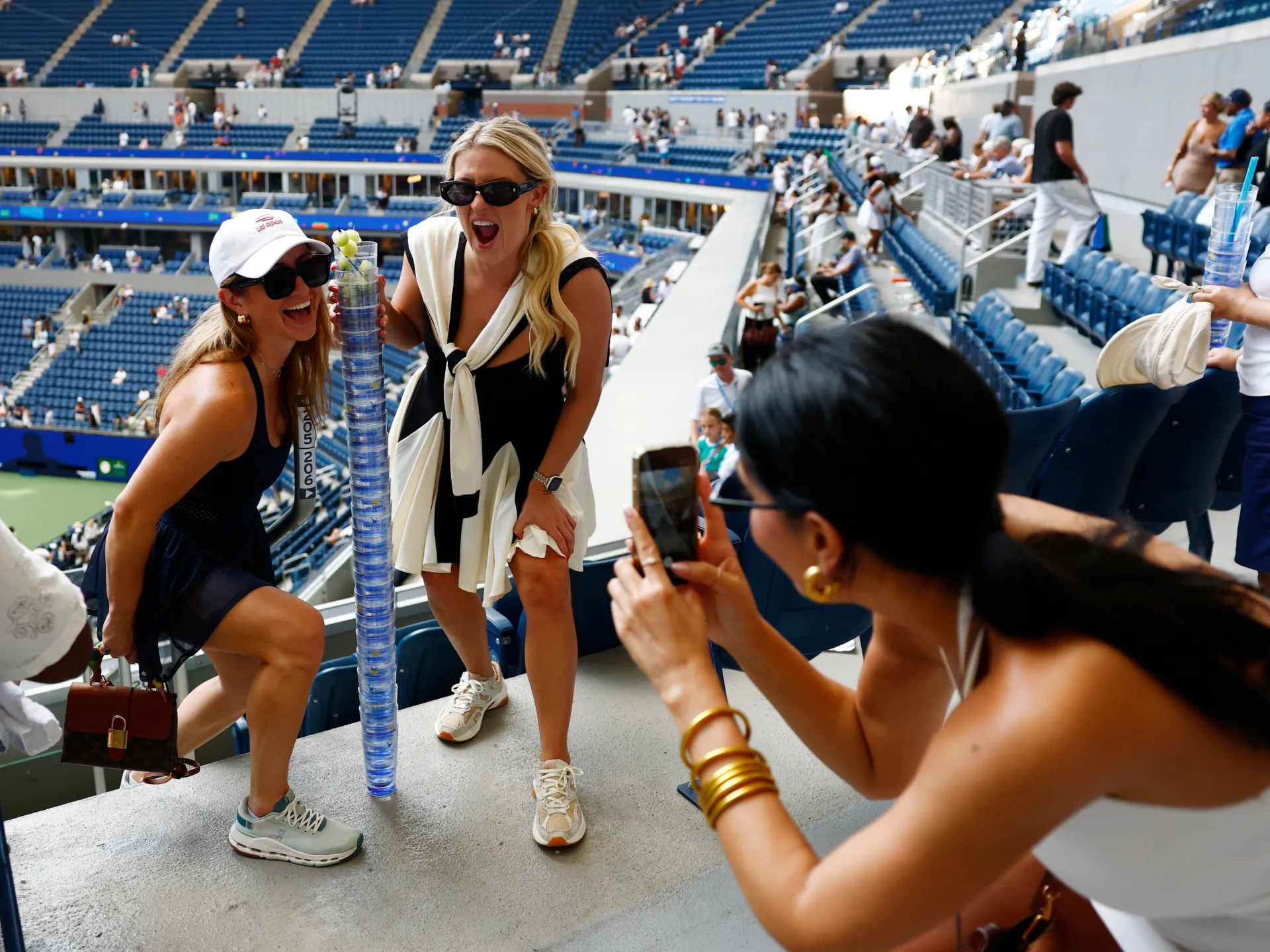
The United States Tennis Association’s decision to formally accredit 100 influencers at the 2026 US Open has exposed a growing tension between audience expansion and the basic conditions of competition.
A chair umpire reprimanded influencers during Naomi Osaka’s first-round match after a photo shoot disrupted play. Social media videos also showed movement through the stands and group photography during points, while spectators criticised behaviour they said interfered with their ability to watch matches.
The tournament included 20 influencers focused on food and beverages, alongside creators covering spectators’ purchases, clothing and the broader atmosphere. Organisers responded by displaying warnings asking people not to use flash photography or other lighting during match play. Two influencers also had their credentials revoked after being incorrectly accredited.
Players have largely supported efforts to make tennis accessible to wider audiences, while drawing a line at conduct that distracts athletes. Osaka, Jessica Pegula and Daniil Medvedev each called for decorum and respect for players competing professionally.
Sports media experts cited by Al Jazeera said influencers provide established access to audiences that traditional marketing may struggle to reach, including people who are not regular sports fans. They also cautioned that views and engagement should not be treated as the sole measure of success if online content does not translate into interest in the sport.
Payments to influencers were not disclosed. USTA financial statements reportedly show marketing expenditure of $17 million in 2023 and 2024, down from $30 million in each of 2021 and 2022, although those figures may not be directly comparable with influencer spending. Experts expect the model to become a lasting feature of major sporting events, but the US Open experience has made clear that marketing access still depends on protecting the event itself.