US naval operation to clear Strait of Hormuz fails to move global oil markets
Brent crude futures show negligible reaction to President Trump's announcement, while falling inventories and ongoing threats complicate the outlook for maritime traffic
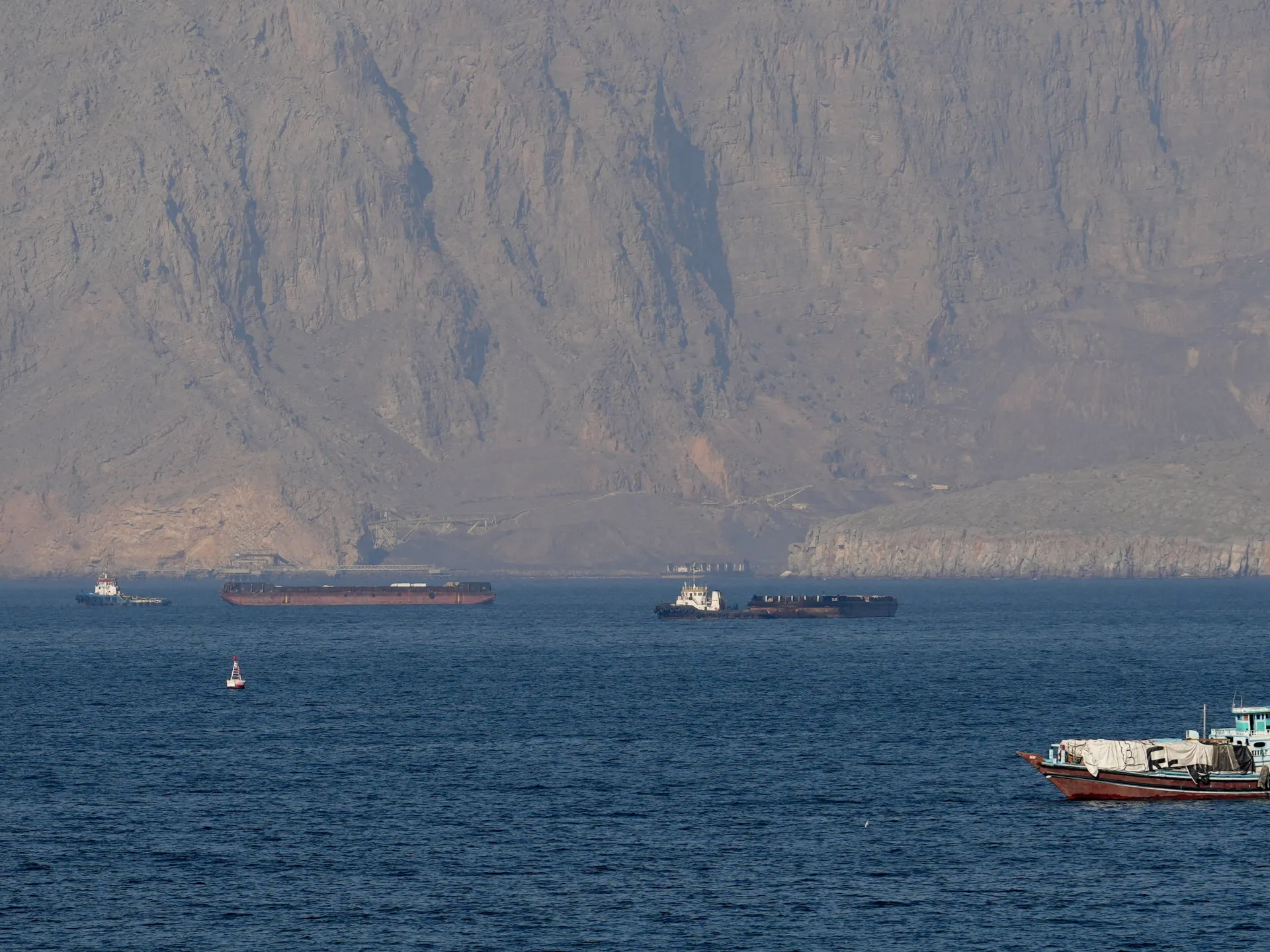
Global oil prices showed little movement on Monday following the United States announcement of Project Freedom, a naval operation designed to guide stranded vessels out of the Strait of Hormuz. Brent crude futures remained largely unchanged, with July contracts trading at $108.25, as market participants doubted the plan would immediately resolve the ongoing energy disruption. The lack of a significant price reaction suggests that traders view the political statement as insufficient to address the structural issues currently plaguing the region's energy supply.
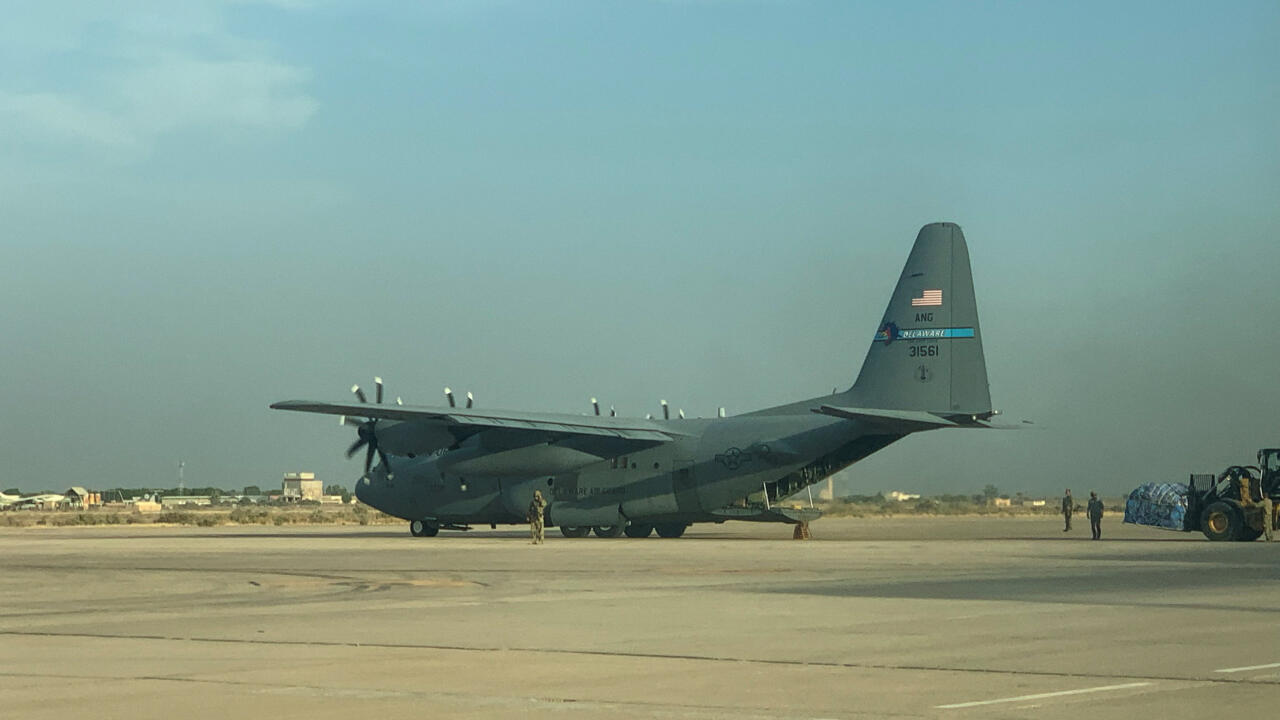
The US administration has not confirmed whether the operation will involve US Navy escorts, a proposal previously rejected by officials due to inadequate preparations. This ambiguity has been compounded by warnings from senior Iranian officials, including Ebrahim Azizi of the National Security Commission, who stated that any US interference would be viewed as a breach of the ceasefire agreed upon on April 7. The friction between Washington and Tehran casts a long shadow over the fragile peace, raising questions about the operational feasibility of the mission.
Complicating the situation further are recent reports of attacks on maritime traffic near the United Arab Emirates and Iran. UK Maritime Trade Operations (UKMTO) confirmed that a tanker was struck by unknown projectiles off the UAE coast, while a bulk carrier was attacked by small craft off Iran. Fortunately, neither crew was harmed in these incidents, yet the violence underscores the continued hostility in the region. Analysts note that these attacks, alongside the presence of Iranian mines, mean that restoring normal maritime traffic will take months rather than days.
The economic implications of the Strait of Hormuz closure are stark, with Goldman Sachs estimating that the effective closure of the waterway and attacks on infrastructure have reduced global daily production by 14.5 million barrels. The strait normally carries one-fifth of the world's oil supplies, and its disruption has already seen Brent crude prices rise nearly 50 per cent since the war began in late February. Despite the US intervention, the backlog of unloaded energy supplies and the time required to clear mines suggest that prices are likely to remain elevated for the foreseeable future.
Market sentiment is being weighed down more by physical supply constraints than by political rhetoric. June Goh, a senior oil market analyst at Sparta, noted that global oil inventories are falling sharply, a factor that should impact market sentiment more than statements regarding the reopening of the strait. The yawning gap in oil supply requires a resolution that Project Freedom alone cannot provide, particularly given the logistical challenges of clearing the waterway and the lack of confirmed naval support.
Data from the United Nations Trade and Development (UNCTAD) and Windward highlights the severity of the traffic decline, with only 20 vessels crossing the strait on the most recent recorded day. This stands in sharp contrast to the average of 129 transits per day prior to the war in late February. Iran's threats against shipping have reduced maritime traffic to a fraction of peacetime levels, crippling a significant portion of global oil and natural gas supplies. Until the physical barriers to trade are removed, the geopolitical manoeuvring in Washington appears unlikely to stabilise the market.