US naval blockade strategy intensifies pressure on Iran's nuclear program and regional standing
While a truce remains in place, the Trump administration is preparing a long-term naval blockade to sever oil revenue, prompting warnings of irreversible damage to Iranian infrastructure and a looming global energy crisis
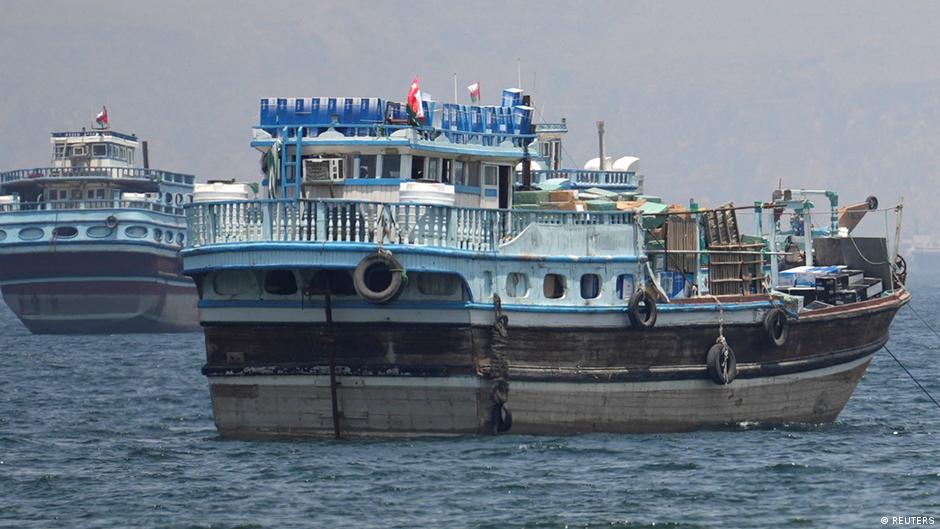
The Trump administration is advancing a strategy to compel Tehran into concessions regarding its nuclear program and regional influence by imposing a long-term naval blockade on Iranian ports. This move aims to cut off oil export revenue, though a ceasefire is currently in place between Washington and Iran. Despite the truce, officials in the White House are weighing the extension of the blockade or the launch of further military attacks to force a resolution.
The United States has set specific demands for the Iranian leadership, requiring them to abandon their nuclear program entirely, surrender 400 kilograms of highly enriched uranium, and reduce their regional influence. President Donald Trump recently urged Iranian leadership to agree to a peace deal, stating they must "better get smart soon." The Wall Street Journal reports, citing government sources, that the administration is preparing this long-term blockade to maintain economic pressure until Tehran is willing to make the necessary concessions.
The implementation of these restrictions has severely impacted maritime logistics in the region. Shipping through the Strait of Hormuz has fallen by over 95% since the start of the conflict two months ago, according to the United Nations. This strait is of central importance to the global economy, as Persian Gulf states rely on it to export much of their oil and gas. The International Energy Agency warns that these supply shortages, which also affect fertilizers and petrochemicals, could trigger the largest energy crisis in history.
While Iran currently holds approximately 170 million barrels of oil on tankers that departed before the blockade, experts warn that prolonged production cuts could cause irreversible damage to oil wells. Energy expert Dalgah Chatinoglu estimates that Iranian oil production could fall by around 1 million barrels per day within a month, bringing output closer to domestic consumption levels. Homayoun Falakshahi, a senior analyst at data firm Kpler, notes that Iran is forced to hold oil in storage until empty tankers are available, necessitating a reduction in production that risks permanent damage to unproductive wells due to disrupted flow.
The economic implications for the Iranian state are severe, compounding years of mismanagement and international sanctions. Iran's average inflation rate was estimated at 51% last year, with forecasts predicting a rise to around 69% by 2026. The Wall Street Journal reports that the US aims to keep up the pressure on the Iranian economy and exports until Tehran is willing to make concessions, yet an extended blockade would likely deepen these existing economic problems and strain the government's ability to meet domestic obligations.
Although Iran appears able to withstand the current pressure using existing stockpiles, the strategy carries significant risks for global stability. Iran expert Fatemeh Aman notes that maintaining a long-term blockade requires considerable military resources and rests on shaky legal ground. She warns that a prolonged restriction of maritime traffic could harm other countries, increase tensions in the Persian Gulf, and impact global trade, particularly for Asian economies heavily dependent on energy imports from the region.