US murder charges against Raúl Castro coincide with Cuba’s deepening energy and housing crisis
Former Cuban leader Raúl Castro has been charged with murder over the 1996 shootdown of Brothers to the Rescue planes, prompting dismissal from President Miguel Díaz-Canel and intensifying geopolitical tensions amid severe domestic instability.
The United States has formally charged former Cuban President Raúl Castro with murder in connection with the 1996 shooting down of two aircraft belonging to the Cuban-American group Brothers to the Rescue, an incident that resulted in four deaths. The announcement, made on Wednesday, has been dismissed by Cuban President Miguel Díaz-Canel as a political manoeuvre devoid of legal foundation, while US Secretary of State Marco Rubio has characterised Cuba as a national security threat.
The legal action coincides with a period of acute domestic crisis in Havana, where residents are grappling with 20-hour daily blackouts and a near-total US fuel blockade that has disrupted essential services. As the charges were unveiled, many Cubans remained unaware due to widespread communication and power failures. US President Donald Trump has previously discussed toppling the communist regime, demanding political and economic reforms that could include a leadership change and the removal of Russian or Chinese intelligence presence on the island.
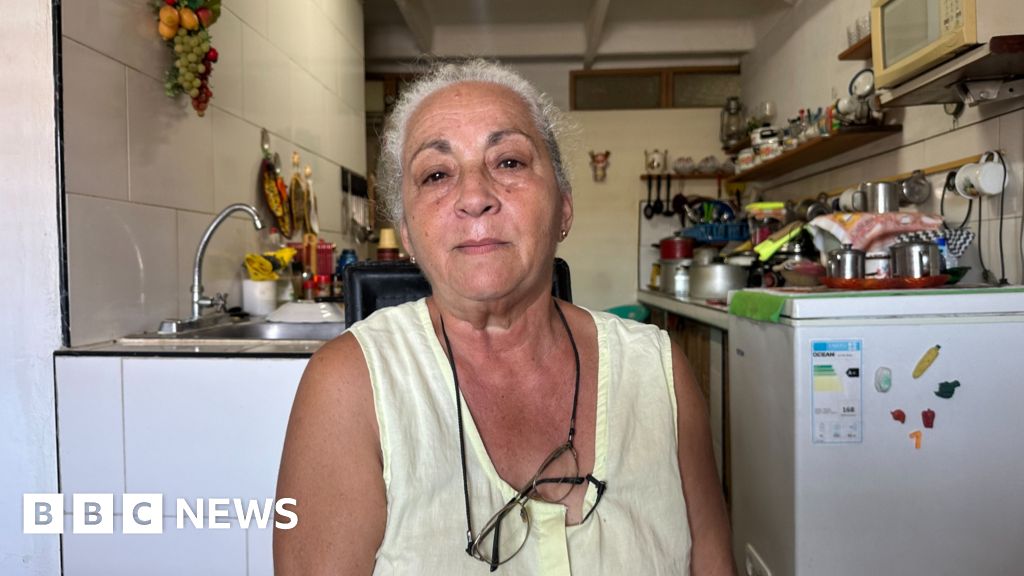
The human cost of the infrastructure collapse is evident in social housing blocks across the capital. Ana Rosa Romero, a widow in her 70s living on the 11th floor of the Granma Dos building, reported having to sit with her late husband’s body for hours during a blackout before it could be moved. With lifts frequently non-functional, she and other elderly residents, including nine with pacemakers, face significant risks when navigating the stairs. The building’s superintendent, Juana Garcia, noted that she has spent months manually pumping water to residents, with some elderly individuals receiving no water unless neighbours carry it up in the dark.
In response to the housing shortage, authorities are repurposing disused shipping containers into two-bedroom homes in Barrio Toledo. While officials describe the project as a smart solution to the capital’s housing crisis, critics warn that the metal structures will be unbearable during the height of the summer. Despite the hardships, site foreman Orlando Diaz defended the initiative and expressed defiance against potential US military intervention, citing the resilience of the Cuban people and contrasting the situation with the recent events in Venezuela.
Cuban officials have strongly rejected the US narrative, with Foreign Minister Bruno Rodriguez condemning statements from US officials as lies designed to provoke aggression. President Díaz-Canel has warned that any US attack would result in a bloodbath, asserting Havana’s right to self-defence. Meanwhile, the US Treasury has imposed sanctions on Cuba’s intelligence agency and senior Communist Party officials, further escalating tensions as the island navigates a complex geopolitical landscape marked by historical grievances and current economic isolation.