US moves to indict former Cuban President Raul Castro amid fuel crisis
The Trump administration’s push for regime change intensifies as reports emerge of planned charges relating to the 1996 downing of humanitarian planes, while Havana faces total fuel exhaustion.
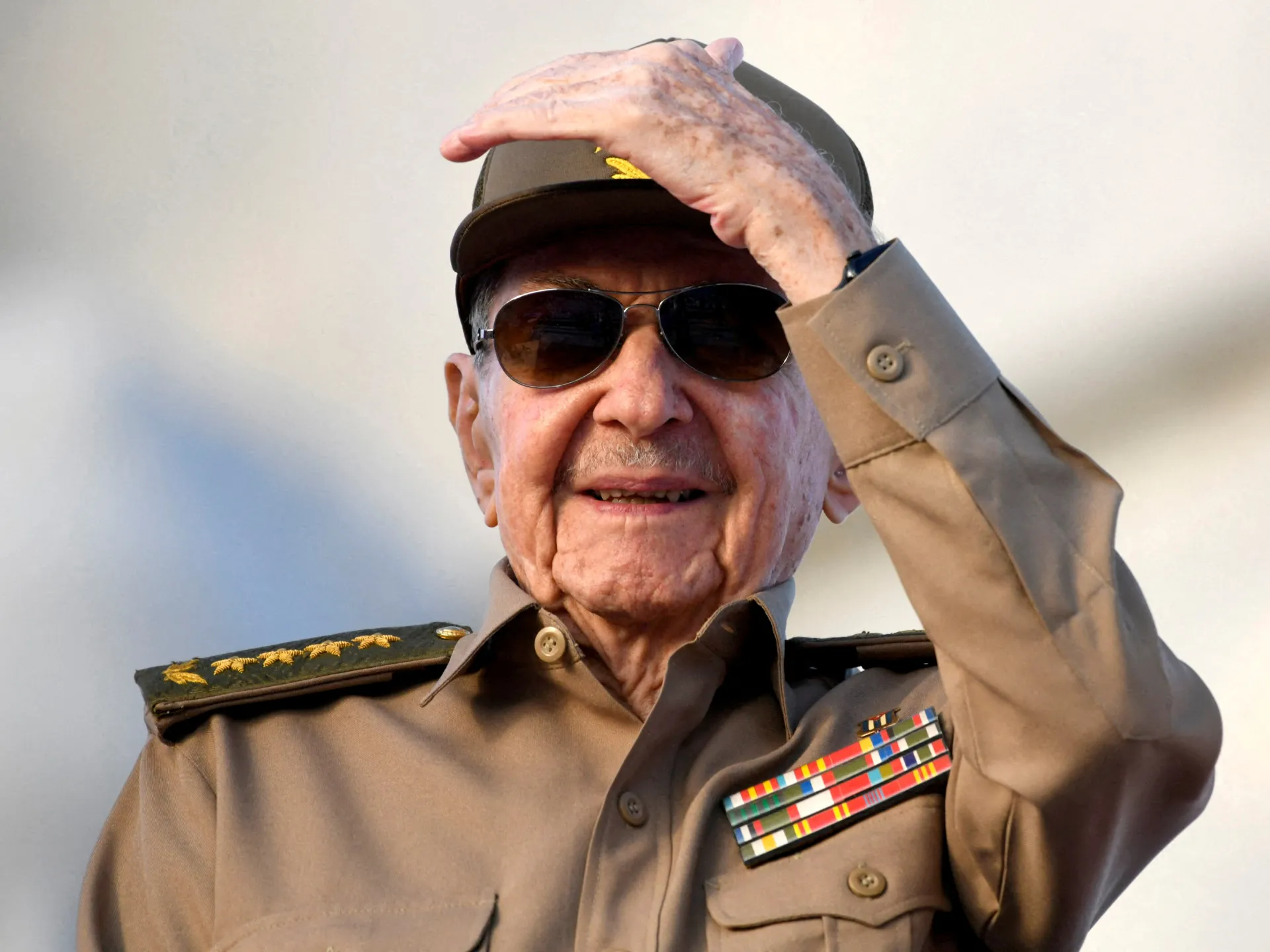
The United States is preparing to indict former Cuban President Raul Castro, marking a significant escalation in diplomatic and legal pressure against the island’s communist government. According to reports from several US media outlets, the potential charges relate to the 1996 incident in which Cuban forces shot down planes flown by Brothers to the Rescue, an anti-Castro humanitarian group.
Any formal indictment requires approval by a grand jury, but the move signals a hardening of the Trump administration’s stance. The legal action coincides with a period of intense strain on US-Cuba relations, which have deteriorated sharply since Donald Trump assumed office for a second term in 2025. President Trump has previously stated his intention to topple Cuba’s government, citing the recent military abduction of Venezuelan leader Nicolas Maduro as a precedent.
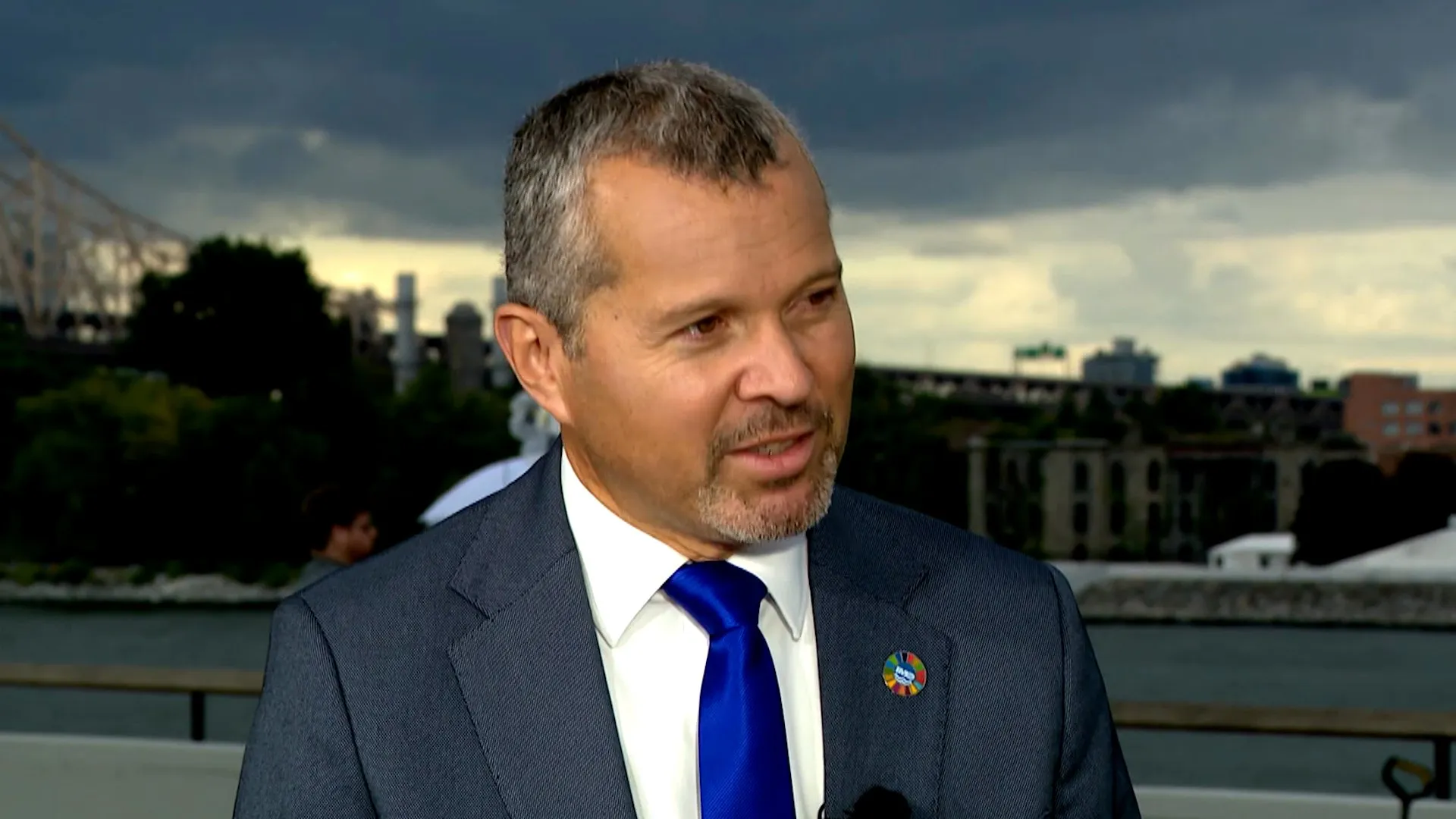
The legal developments emerged shortly after a US delegation led by CIA Director John Ratcliffe met with Cuban officials in Havana. During the meeting, which included Interior Minister Lázaro Álvarez Casas and Raúl Rodríguez Castro, the grandson of the former president, Washington offered $100 million in humanitarian assistance. This aid was explicitly conditional on the Cuban government agreeing to implement "meaningful reforms".
Simultaneously, the United States has implemented a de facto fuel blockade against the island. Following the cut-off of Venezuelan fuel supplies in January, the Trump administration threatened heavy tariffs against any country providing oil to Havana. This policy has left Cuba, a nation of 11 million people, grappling with severe energy shortages and widespread blackouts.
Cuban Energy Minister Vicente de la O Levy confirmed on Thursday that the country had completely run out of diesel and fuel oil. The legal efforts to explore criminal charges against senior Cuban officials are being led by the US Attorney’s Office for the Southern District of Florida, according to the Reuters news agency. Castro, who succeeded his brother Fidel as president, remains widely considered the most powerful figure in the nation.