US military trials in UK bypass British courts under 1951 agreement
While the 1951 Status of Forces Agreement technically allows British authorities to prosecute, practice often sees cases handed over to Washington, raising questions about legal jurisdiction and accountability on UK soil.
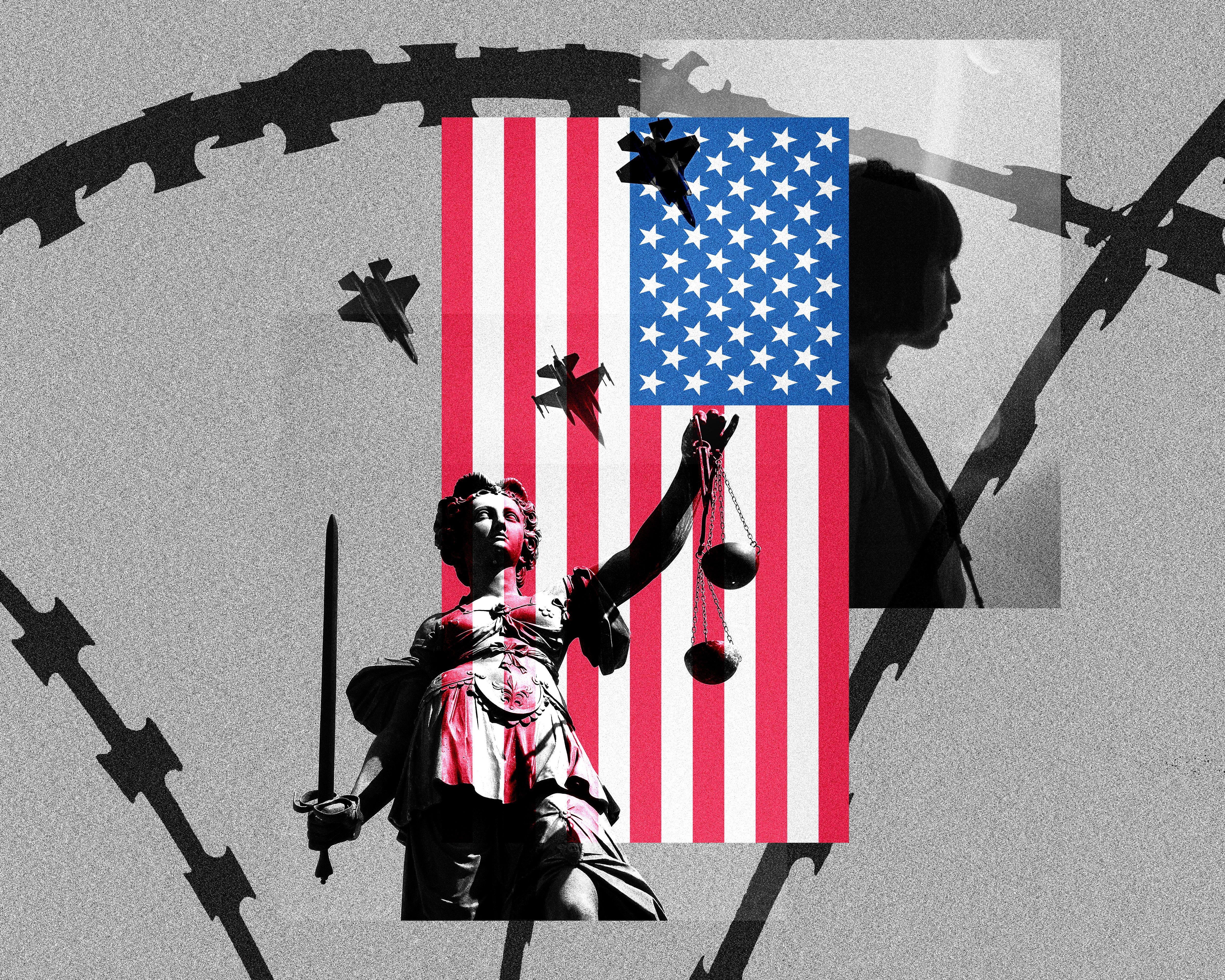
More than 12,000 US military personnel stationed at 15 bases and facilities across the UK are being tried by US courts martial for alleged crimes, including sexual assault and paedophilia. This practice frequently bypasses the British legal system, relying on a 1951 Status of Forces Agreement that technically permits UK prosecution but often results in cases being transferred to the United States.
The Guardian has identified a wide range of convictions involving US service members, covering sexual assaults, paedophilia, indecent exposure, violent attacks, drink-driving, and traffic offences. A significant number of these crimes involved British victims and were committed outside US military bases, with perpetrators often prosecuted within the closed environment of US installations.
Proceedings known as courts martial are held behind heavily guarded perimeter fences, excluding public access unlike British criminal hearings. These trials operate under the Uniform Code of Military Justice, a separate legal framework where judges, prosecutors, and defence lawyers are employed by the military, and juries consist of armed forces members. The Pentagon argues that prosecuting its own personnel is essential for maintaining discipline and sending a deterrent message.
The 1951 agreement stipulates that the US government prosecutes its own troops for offences committed on duty or against fellow service members. In all other cases, British police technically have the first option to launch a prosecution. However, the agreement allows the US to request that authorities relinquish a case, requiring British officials to give sympathetic consideration to such requests. A US Air Force expert noted that the UK often hands cases back to the US military, stating, "Oftentimes the UK will turn it back over to the US military and allow us to prosecute it."
British law enforcement has occasionally challenged these jurisdictional claims. In August 2022, American mechanic Mikayla Hayes caused a fatal collision in Norfolk. The US military sought to take over the investigation, but the Crown Prosecution Service successfully challenged this assertion at Norwich Crown Court. Hayes was prosecuted in the UK legal system and acquitted of causing death by careless driving, marking a rare instance where British authorities insisted on their own jurisdiction.