US military strikes southern Iran amid stalled ceasefire talks
New operations target missile sites and mine-laying vessels as diplomatic efforts remain fragile and oil markets react to regional instability.

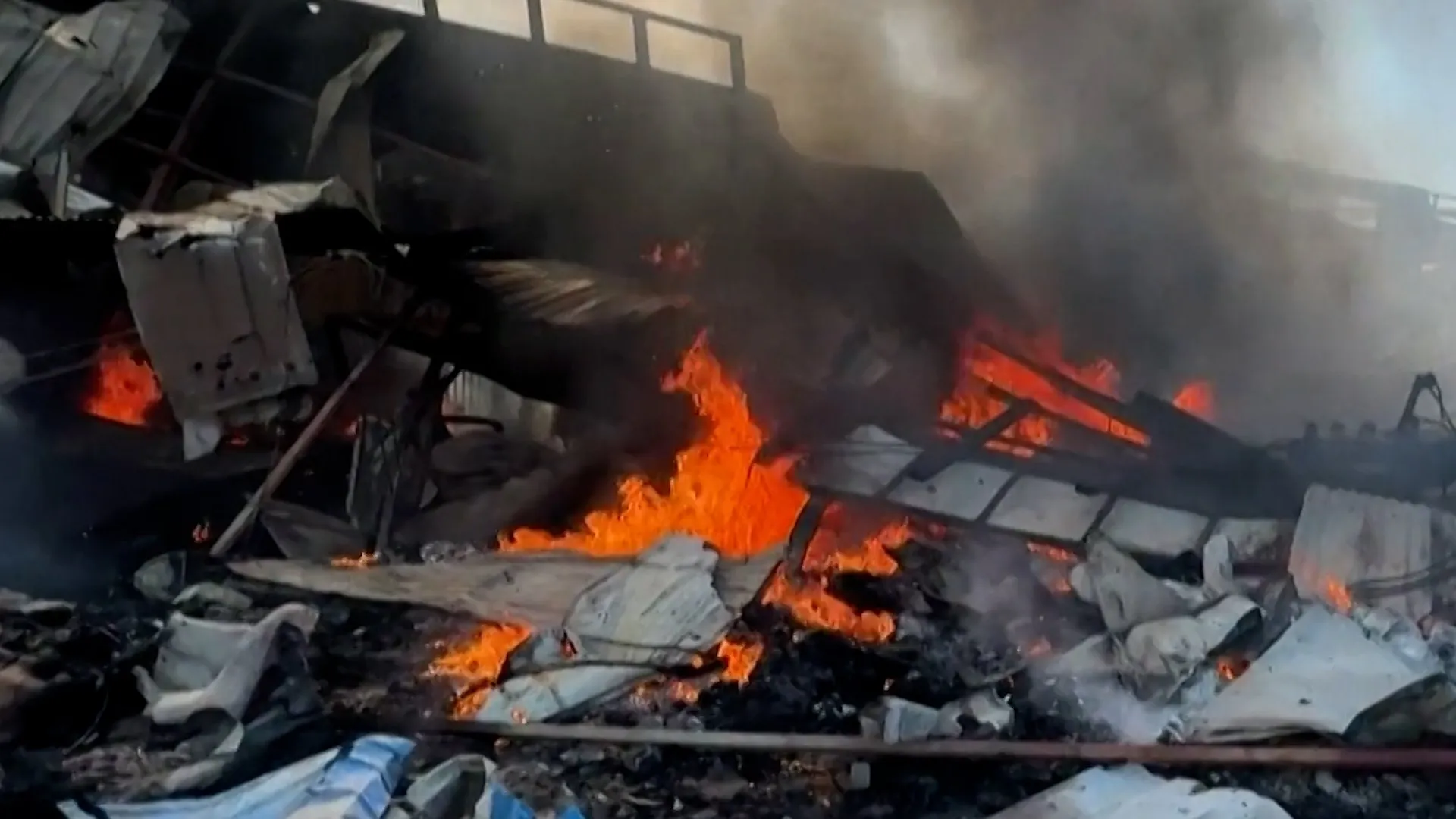
US Central Command has confirmed that the US military launched new strikes on targets in southern Iran, specifically hitting missile launch sites and vessels alleged to be attempting to place mines. In a statement released following the operation, the command described the action as being taken in "self-defence" and stated it was designed to protect US troops from threats posed by Iranian forces.
A spokesperson for Central Command noted that the US military "continues to defend our forces while using restraint during the ongoing ceasefire." The timing of the strikes is significant, occurring as diplomatic channels remain active but fraught with uncertainty regarding the finalisation of a peace agreement between the two nations.
Tensions were heightened by statements from Iranian Foreign Ministry spokesman Esmail Baqai, who indicated that while progress had been made in talks with the US, a deal to end the conflict was "not imminent." Baqai clarified that although a conclusion had been reached on a large portion of the issues under discussion, he rejected the notion that a signing of an agreement was imminent.
US political leadership has offered mixed signals regarding the timeline for a resolution. President Donald Trump had previously suggested the sides were close to a deal but later instructed negotiators "not to rush into" one. US Secretary of State Marco Rubio had suggested an agreement could possibly be reached on Monday, a timeline that Iranian officials have now effectively pushed back against.
The conflict traces back to wide-ranging strikes launched by the US and Israel on 28 February, which sparked broader conflict across the Middle East. Iran responded by attacking Israel and US-allied states in the Gulf, effectively closing the Strait of Hormuz and sending oil prices soaring globally. It remains unclear how the latest US strikes will impact any potential peace agreement, and Iran has yet to respond to the new military actions.