US military releases footage of strikes on Iranian radar sites amid Gulf tensions
The United States military has released video evidence it claims depicts strikes on Iranian radar sites, escalating a fragile ceasefire in the region.
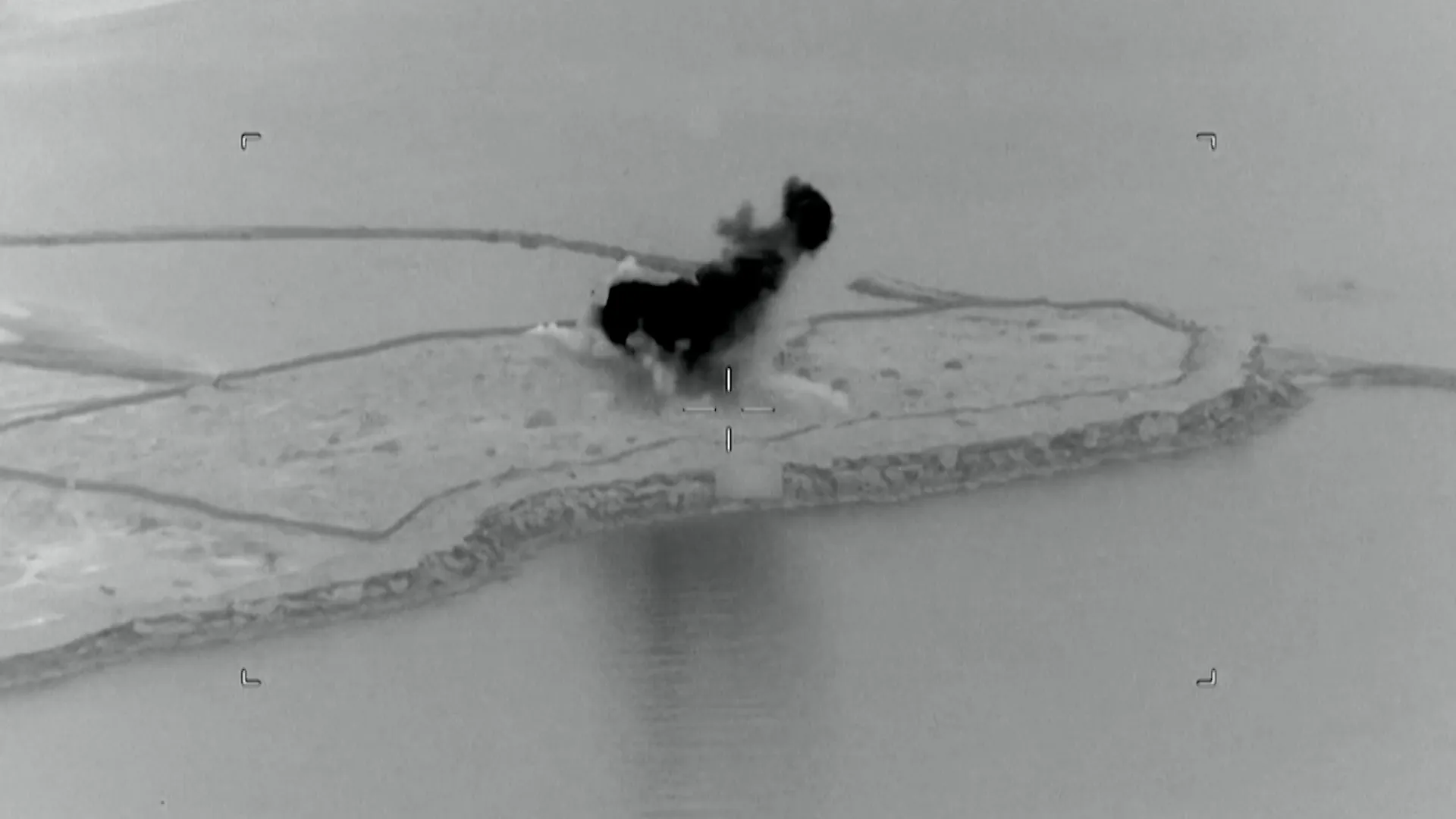
The United States military has released footage it claims shows military strikes on Iranian radar sites located in Goruk and on Qeshm Island. The release of the visual material comes as a key piece of evidence in a rapidly escalating confrontation between the two nations, which has already seen a coordinated exchange of fire across the Gulf region.
The strikes were conducted in direct response to a threat involving Iranian "one-way attack drones" directed at the Strait of Hormuz. US Central Command confirmed that American forces shot down four of these drones, describing the projectiles as an immediate threat to regional maritime traffic. The subsequent attacks on the coastal surveillance radar sites were framed by US authorities as a necessary countermeasure to neutralise the aerial threat.
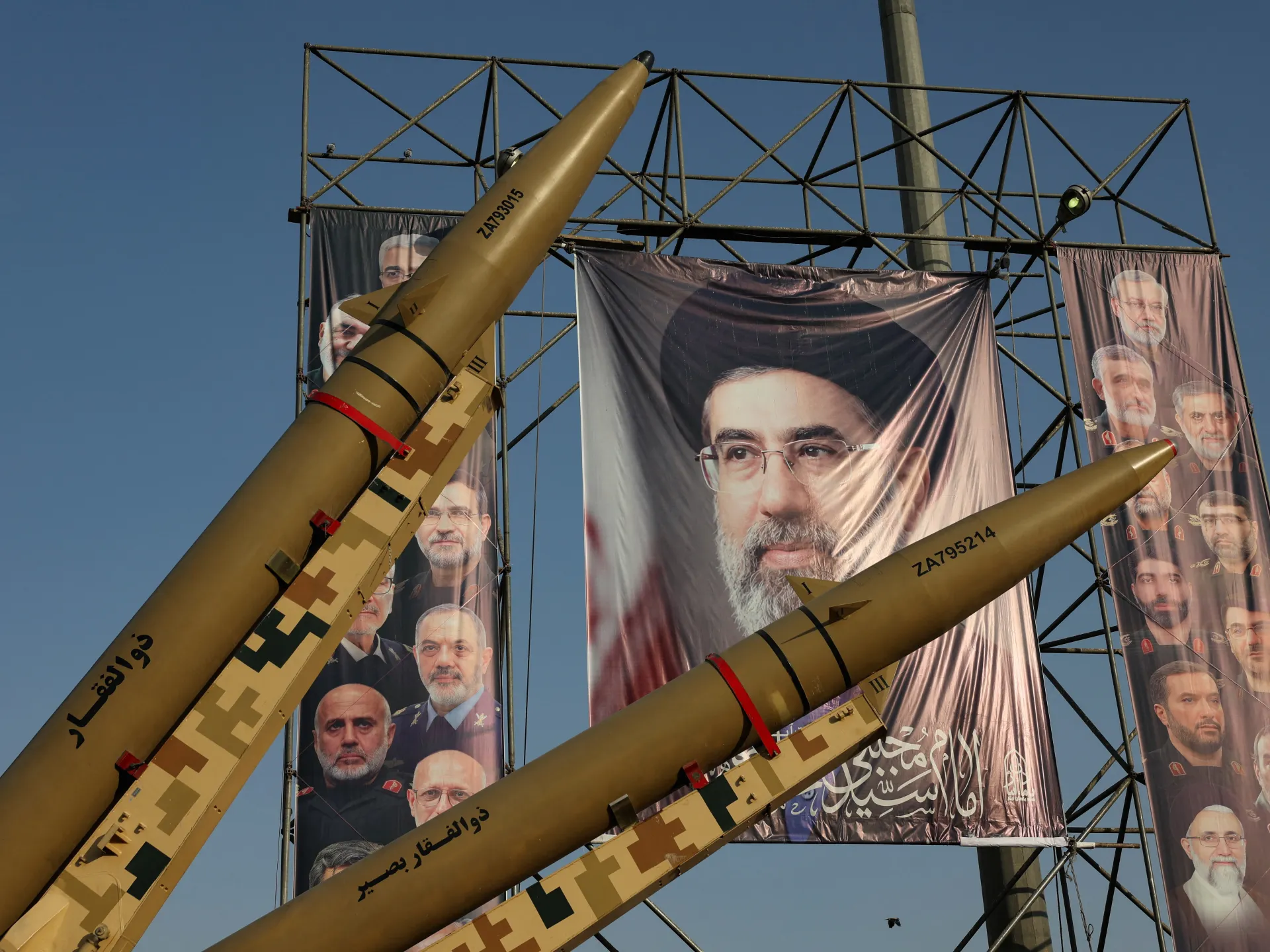
Tehran responded swiftly to the US actions, with Iranian state media reporting that ballistic missiles were fired at two US air bases in Kuwait and facilities belonging to the US Navy in Bahrain. According to initial assessments from US Central Command, six of the seven Iranian missiles launched at the two Gulf states were intercepted, while a seventh failed to reach its intended target.
Concurrently, Iranian state media reported that the Islamic Revolution Guard Corps (IRGC) had invaded Sirik and Qeshm Island, claiming that enemy bases in the area were targeted. These reports from Tehran form part of the retaliatory narrative following the US strikes, although independent corroboration of the extent of the damage or the operational status of the bases remains unavailable.
The incident marks a significant challenge to the fragile ceasefire between the United States and Iran. The coordinated exchange of military strikes, ranging from drone interceptions to ballistic missile launches and radar site attacks, underscores the deepening security dilemma in the Gulf. While the US military presents the footage as confirmation of successful strikes, the broader geopolitical implications of this escalation continue to unfold.