US memory stocks retreat as Korean selloff and geopolitical tensions weigh on sector
A sharp decline in South Korea’s KOSPI index, compounded by US-Iran tensions, triggered a sector-wide pullback in US-listed memory chip equities on Friday.
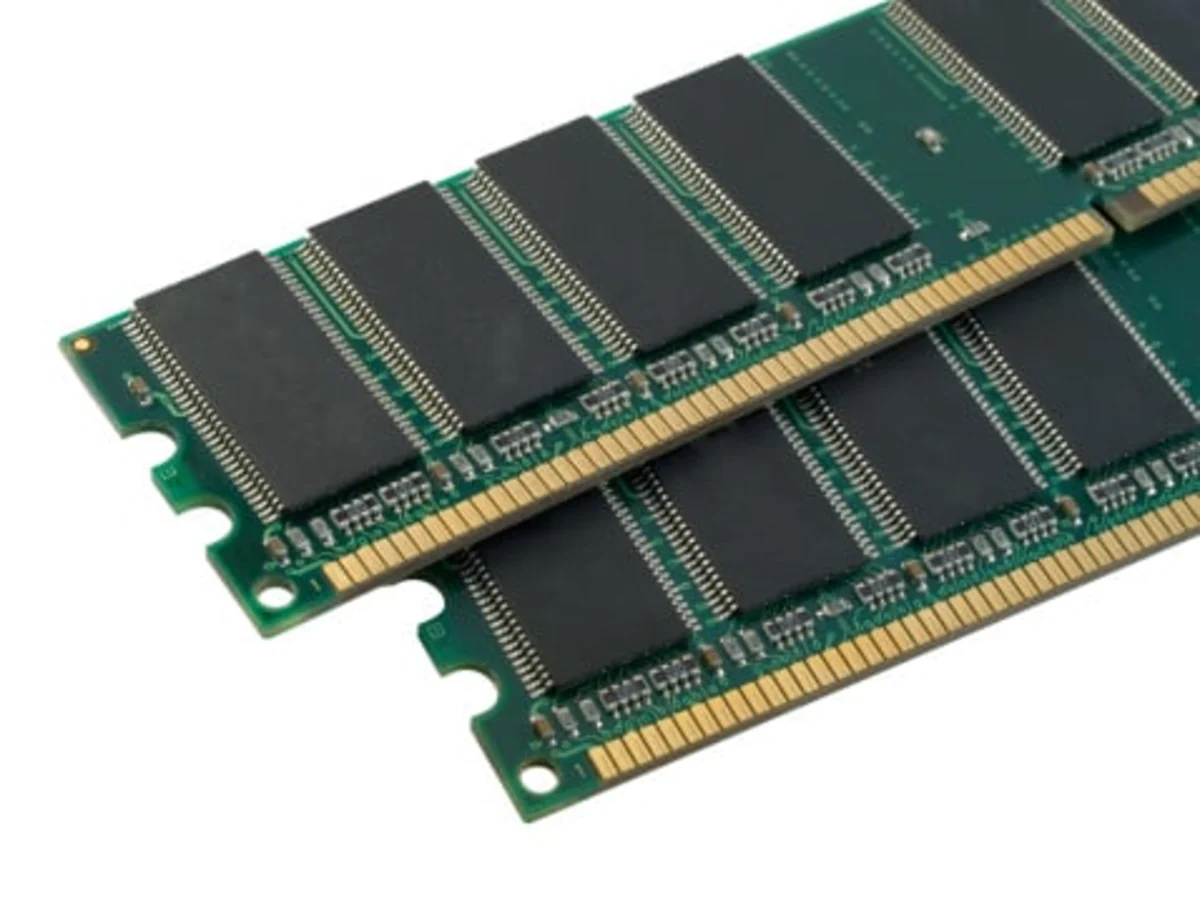
US memory chip equities experienced a significant decline on Friday, mirroring a sell-off in South Korea’s KOSPI index. The retreat was led by major players Samsung and SK Hynix, with US-listed American Depositary Receipts (ADRs) for SK Hynix dropping 6%. Domestic US manufacturers also faced pressure, with Micron Technology shares falling 6%, SanDisk declining 9%, and Western Digital decreasing 6%. The DRAM ETF recorded a 7% drop, indicating a broad sector-wide correction.
Market analysts attribute the downturn to a combination of a wider technology pullback and heightened geopolitical tensions between the United States and Iran. The NASDAQ 100 fell for a third consecutive session, reaching a one-month low, which amplified the weakness in the semiconductor complex. Intel also slid, suggesting that the softness extended beyond memory chips into the broader market.
Despite the immediate volatility, Micron Technology maintains a strong year-to-date performance, up 227%, supported by robust earnings and sustained demand for artificial intelligence (AI) infrastructure. The company’s fiscal Q3 2026 revenue reached $41.46 billion, a 345.7% increase year over year, with non-GAAP EPS of $25.11 against a consensus of $20.28. Management guided Q4 revenue to $50 billion plus or minus $1 billion, highlighting the strategic value of memory in the AI era.
Valuation metrics suggest mixed sentiment across the group. Micron trades at a forward P/E ratio of 6x, with analyst price targets near $1,507, significantly above current levels. In contrast, SanDisk carries a heavier trailing P/E ratio of 55x, which may explain why higher-multiple names are giving back more ground. Western Digital’s most recent quarter posted revenue of $3.34 billion with non-GAAP EPS of $2.72.
The catalyst for the move traces directly to an overnight KOSPI selloff in Seoul. U.S. memory names have become increasingly bundled with the KOSPI given its heavy weighting to Samsung and SK Hynix, so weakness in Seoul is flowing straight through to Micron, SanDisk, and Western Digital shares. Layered on top is a broader tech pullback. The NASDAQ has fallen three sessions in a row after results from Alphabet's (NASDAQ:GOOGL) Google and Tesla (NASDAQ:TSLA), with U.S.-Iran escalation adding pressure.
Notably, Micron is falling even after Tesla CEO Elon Musk praised the company's "very significant allocation" of memory chips to Tesla on Thursday's earnings call. That underscores today's action as a group and macro move, not a Micron-specific problem. Today's drop lands inside one of the sharpest sector runs in years. Micron stock is up 227% year to date (YTD), SanDisk shares have gained 526% YTD, and Western Digital stock is up 209% YTD, all fueled by AI memory demand and blowout earnings.
The DRAM ETF's top three holdings, Samsung, SK Hynix, and Micron, account for 72% of the fund's net assets, so investors should consider keeping their position sizes modest given that concentration and today's volatility. The AI memory super cycle thesis remains intact on the earnings side, but sentiment has clearly rotated. Traders may want to watch for whether today's lows hold or give way as the session moves toward Friday's close.