US Links Cuba Aid Offer to Political Control Amid Fuel Shortages
The United States has proposed assistance to Havana contingent on its ability to dictate the island nation’s future, as an ongoing blockade contributes to a severe fuel crisis.
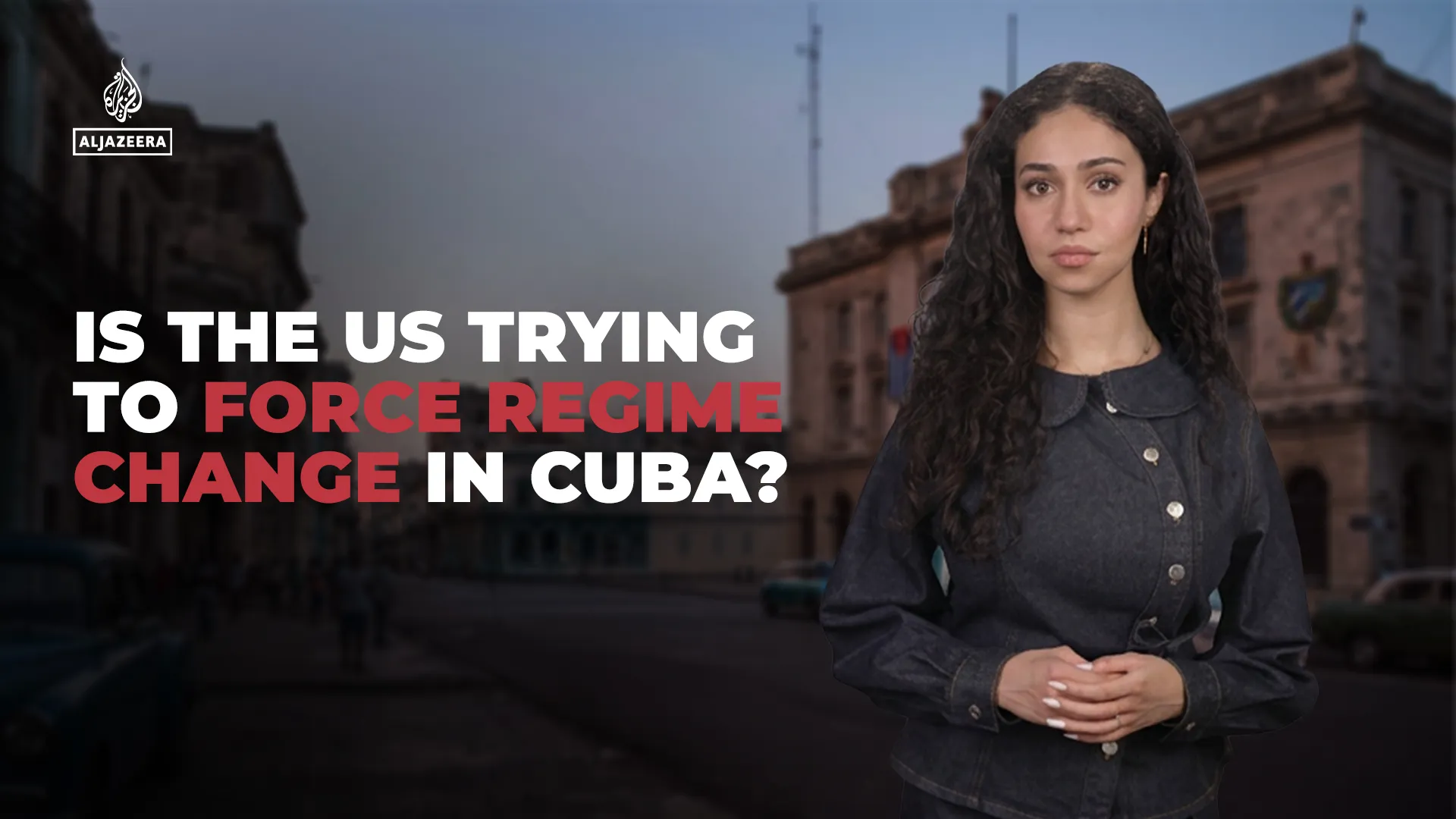
The United States is offering aid to Cuba on the condition that it can dictate the island nation's future, as its ongoing blockade contributes to a fuel crisis. This development, reported by Al Jazeera Global News, frames the proposed assistance not merely as humanitarian relief but as a mechanism for political leverage, linking economic support directly to governance outcomes.
The offer comes against the backdrop of a severe fuel crisis affecting the Caribbean island. According to the source, the United States maintains that its ongoing blockade is a contributing factor to the current energy shortages. The narrative presented suggests that the aid package is contingent upon Washington’s ability to shape the political trajectory of the island, raising significant questions regarding the terms of engagement between the two nations.
While the specific policy details regarding what constitutes "dictating the future" are not elaborated in the initial reports, the condition implies a substantial shift in the diplomatic relationship. The source characterises the situation as a potential attempt to force regime change, highlighting the tension between the US position and Cuban sovereignty. This framing positions the aid offer as a strategic tool rather than a purely altruistic gesture.
The causal link between the US blockade and the fuel crisis is presented as a fact within the source material, though it remains a point of political contention in broader diplomatic contexts. Critics of the blockade often describe it as an embargo or economic sanction, terms that carry different legal and political connotations than "blockade." The source utilises the term "blockade" to underscore the severity of the restrictions and their perceived impact on Cuba’s infrastructure.
This geopolitical development occurs independently of other recent international events, such as the state visit by King Charles III to the United States, which involved separate security and diplomatic considerations. The focus remains squarely on the US-Cuba relationship, where the intersection of economic pressure and political conditionality defines the current diplomatic landscape.