US legal and military pressure intensifies against Cuba
Washington secures backing for property claims under Helms-Burton Act as military posturing increases in the Caribbean
The United States has escalated pressure on Cuba through a combination of legal indictments, military posturing, and Supreme Court rulings regarding confiscated property. In May 2026, Washington indicted former Cuban leader Raul Castro for his role in the 1996 shootdown of two exile planes. Concurrently, the US Supreme Court ruled in Havana Docks Corp v Royal Caribbean Cruises that cruise lines using Havana’s port between 2016 and 2019 had trafficked in confiscated property, allowing US nationals to sue for damages under the Helms-Burton Act. The USS Nimitz strike group entered the Caribbean shortly after this ruling, coinciding with heightened military posturing and meetings between US Southern Command and Cuban generals.
Compounding these tensions, US forces seized Venezuelan President Nicolas Maduro in a predawn raid in Caracas on 3 January 2026, killing 32 Cuban officers and cutting off a key oil lifeline for Cuba. Mexico subsequently halted oil shipments to Cuba in early 2026 after Washington threatened tariffs on countries supplying the island, leading to power outages of up to 20 hours a day in parts of Havana by May 2026. Cuban officials, including President Miguel Diaz-Canel, have warned of a "bloodbath with incalculable consequences," while the National Civil Defense General Staff has issued instructions to families regarding potential bombardment.
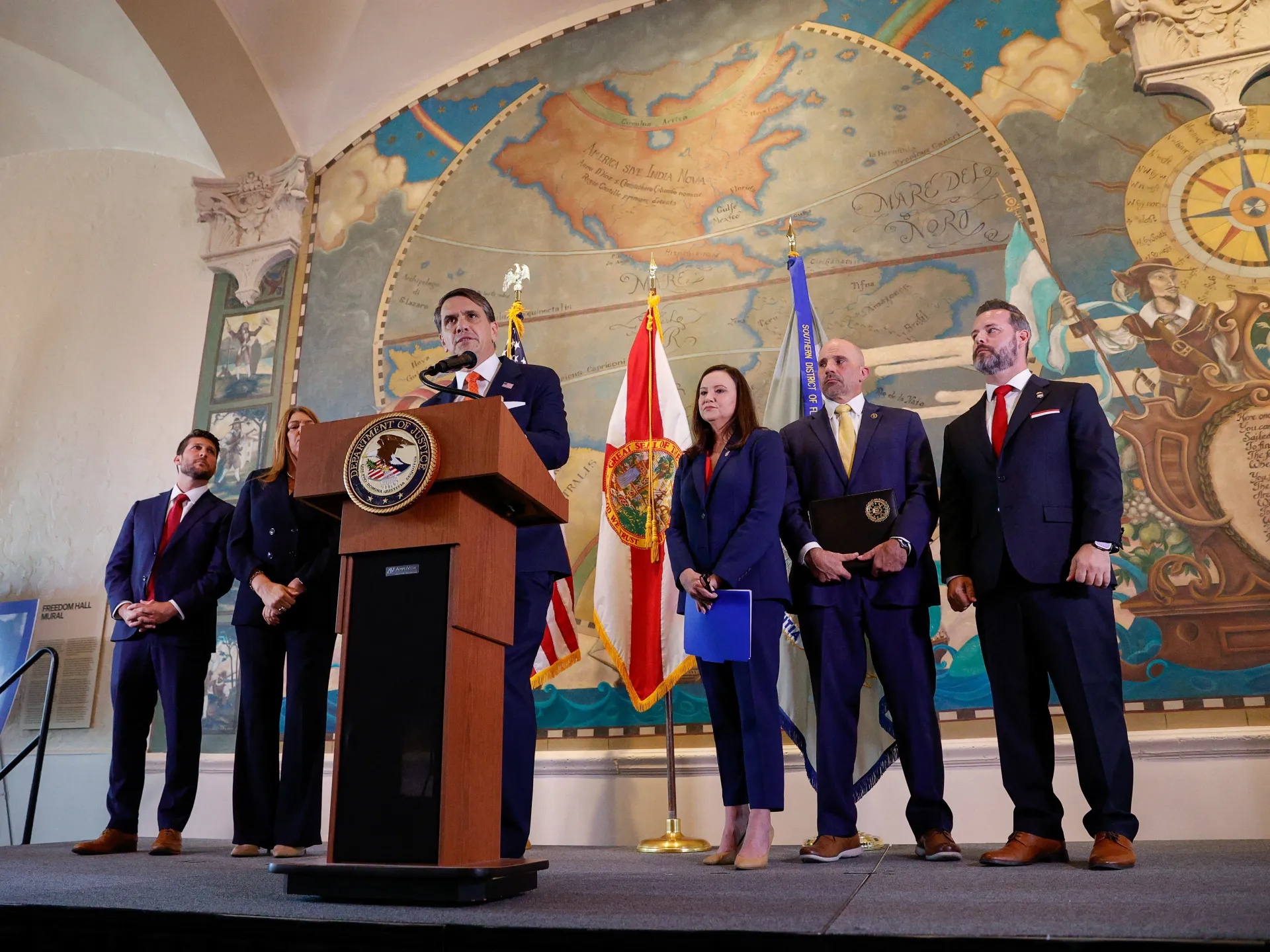
Acting Attorney General Todd Blanche stated that Raul Castro would be extradited either voluntarily or by "another means," referencing the method used against Maduro. The indictment, announced at Miami’s Freedom Tower, targets the former head of state for the 1996 downing of two exile planes. Washington has maintained that the legal machinery for property claims has been in place for decades, with the Foreign Claims Settlement Commission holding 5,913 certified claims worth $1.9bn in principal.
The Supreme Court’s decision in Havana Docks Corp v Royal Caribbean Cruises saw Justice Thomas write the majority opinion, while Justice Kagan dissented alone. Justice Sotomayor, joined by Justice Kavanaugh, concurred but warned that the ruling could license recovery of potentially unlimited financial damages. The decision marks a significant shift in how the US enforces its stance on property confiscated after the 1959 revolution, providing a legal avenue for US nationals to pursue compensation from companies operating in Cuba.
Cuban officials view the convergence of legal and military actions as a coordinated effort to force regime change. President Miguel Diaz-Canel has warned that the situation could lead to severe conflict, while the National Civil Defense General Staff has prepared families for potential bombardment. The US military presence, including the arrival of the USS Nimitz strike group, has been interpreted by Havana as a direct threat, with Cuban generals meeting with US Southern Command officials at the edge of Guantanamo Bay.
The legal and military escalation follows a pattern of increasing pressure on Cuba, with the US leveraging both judicial and military tools to challenge the Cuban government. The indictment of Raul Castro and the Supreme Court ruling on property claims represent a significant intensification of this strategy, with the US seeking to enforce its long-standing position on confiscated assets. The situation remains volatile, with both sides signalling a willingness to confront the other on multiple fronts.
The impact of these measures extends beyond legal and military domains, affecting the daily lives of Cubans through energy shortages and economic strain. The halt in oil shipments from Mexico, following US threats of tariffs, has exacerbated power outages in Havana, contributing to a humanitarian crisis that officials on both sides have acknowledged. The US stance remains firm, with the administration indicating that Cuba is next for US-imposed regime change, following the recent developments in Venezuela.