US Justice Department files 40 citizenship revocation petitions
The cases target naturalised Americans over alleged concealed crimes or other disqualifying facts. Courts must decide whether citizenship should be revoked.
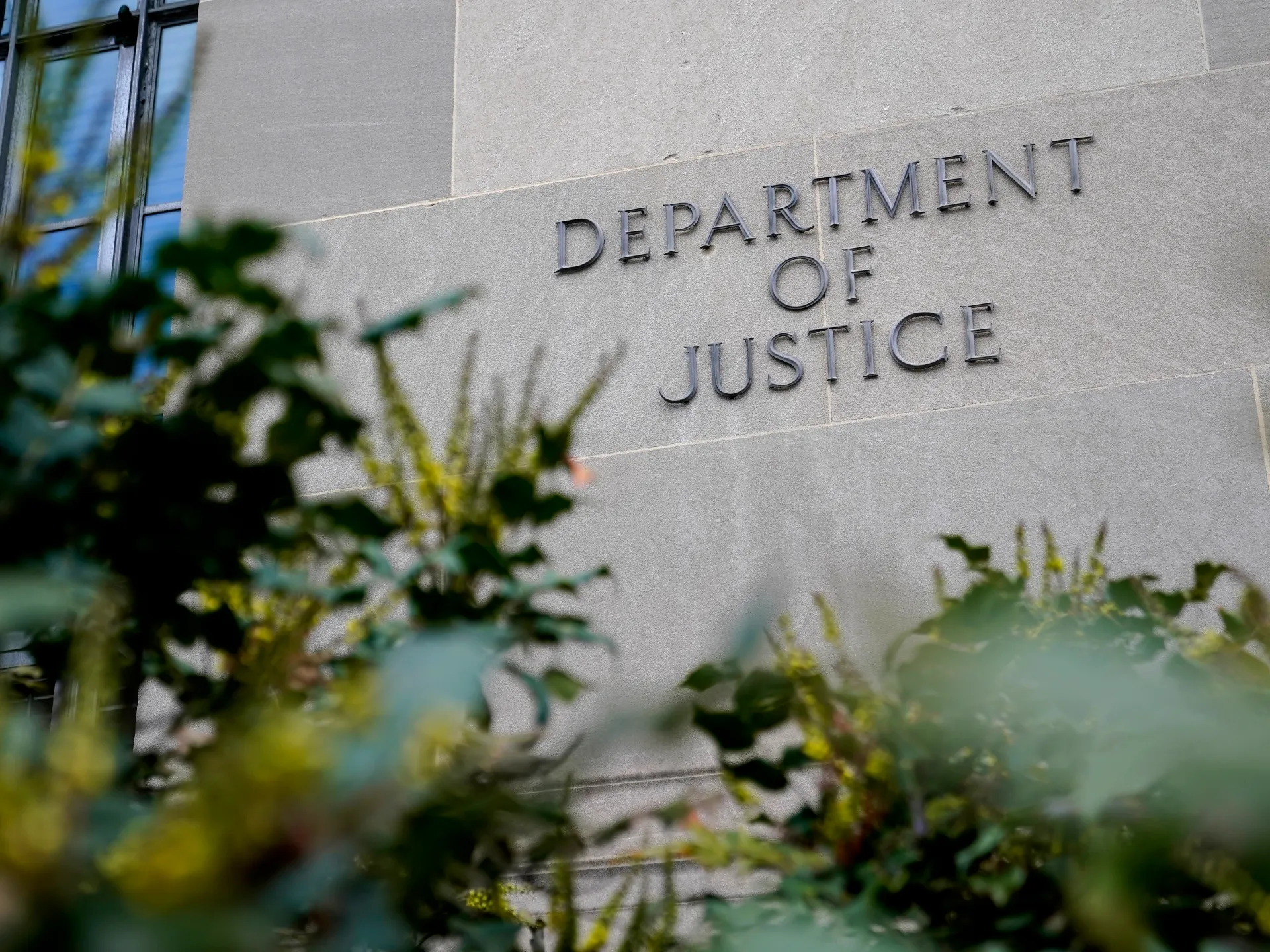
The US Department of Justice has filed 40 petitions seeking to revoke the citizenship of naturalised Americans, in a push that officials describe as the largest denaturalisation effort in modern history. The cases were filed from late August to early October.
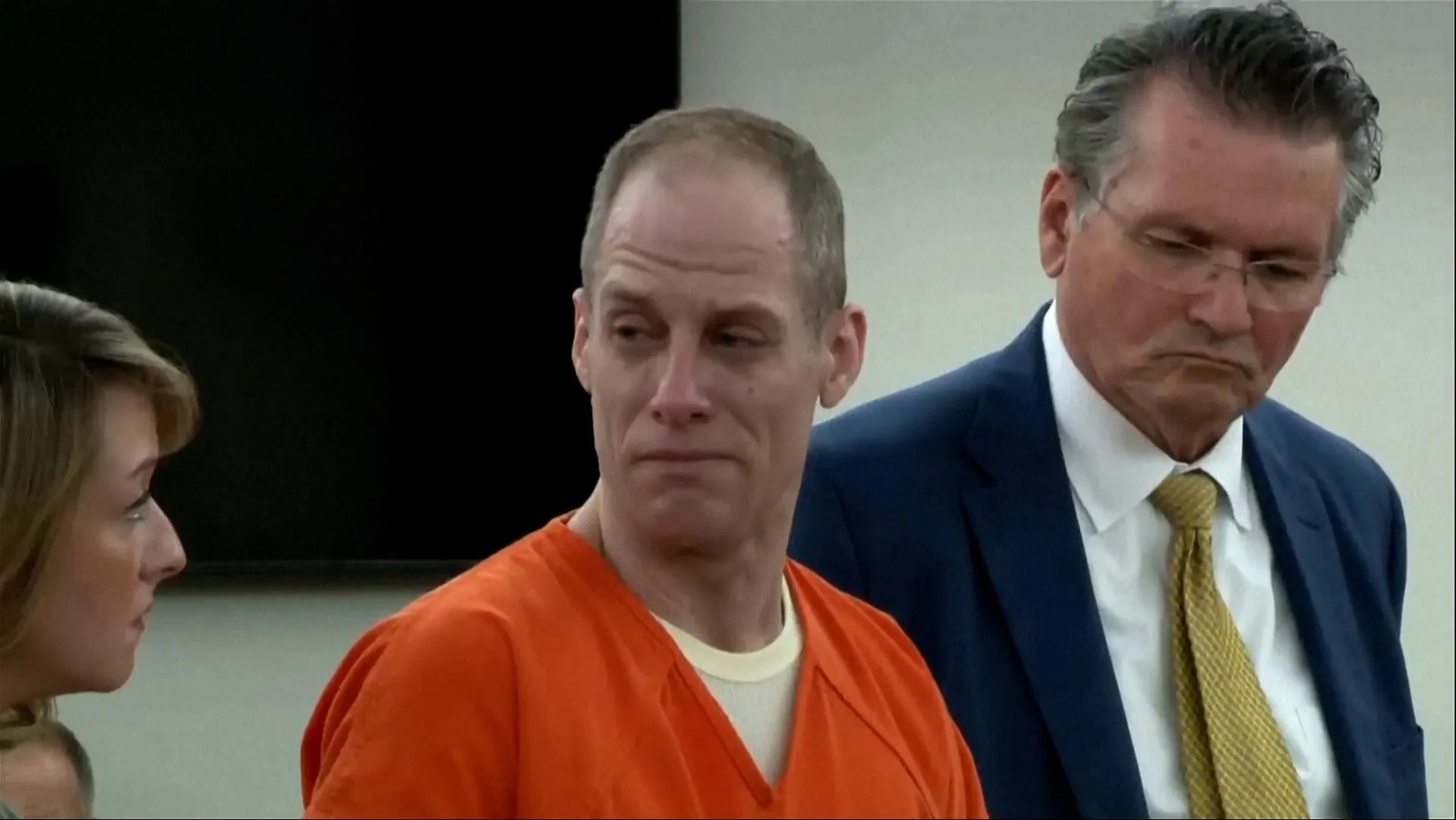
Prosecutors allege the people targeted concealed crimes or other facts that could have disqualified them from citizenship. The allegations include money laundering, child sexual abuse, visa fraud and tax evasion; two people are also accused of espionage for China.
The department argues that some alleged conduct before naturalisation showed the individuals lacked the “good moral character” required for citizenship. Many of the criminal convictions cited reportedly came after the people had taken their oaths, and the petitions themselves do not establish the allegations.
US law allows prosecutors to ask a court to revoke naturalised citizenship if an applicant wilfully concealed a material fact that would have disqualified them. Courts must determine whether the grounds for revocation are met.
The practice has historically been used infrequently. Human rights groups warn that wider use could leave people stateless, while other critics say denaturalisation could be directed at political opponents. The reported cases do not establish that citizenship has been revoked.