US jobs report due Friday as economists forecast 53,000 rise
A subdued US labour market is keeping the Federal Reserve’s focus on inflation, with the August nonfarm payrolls report scheduled for release this week.
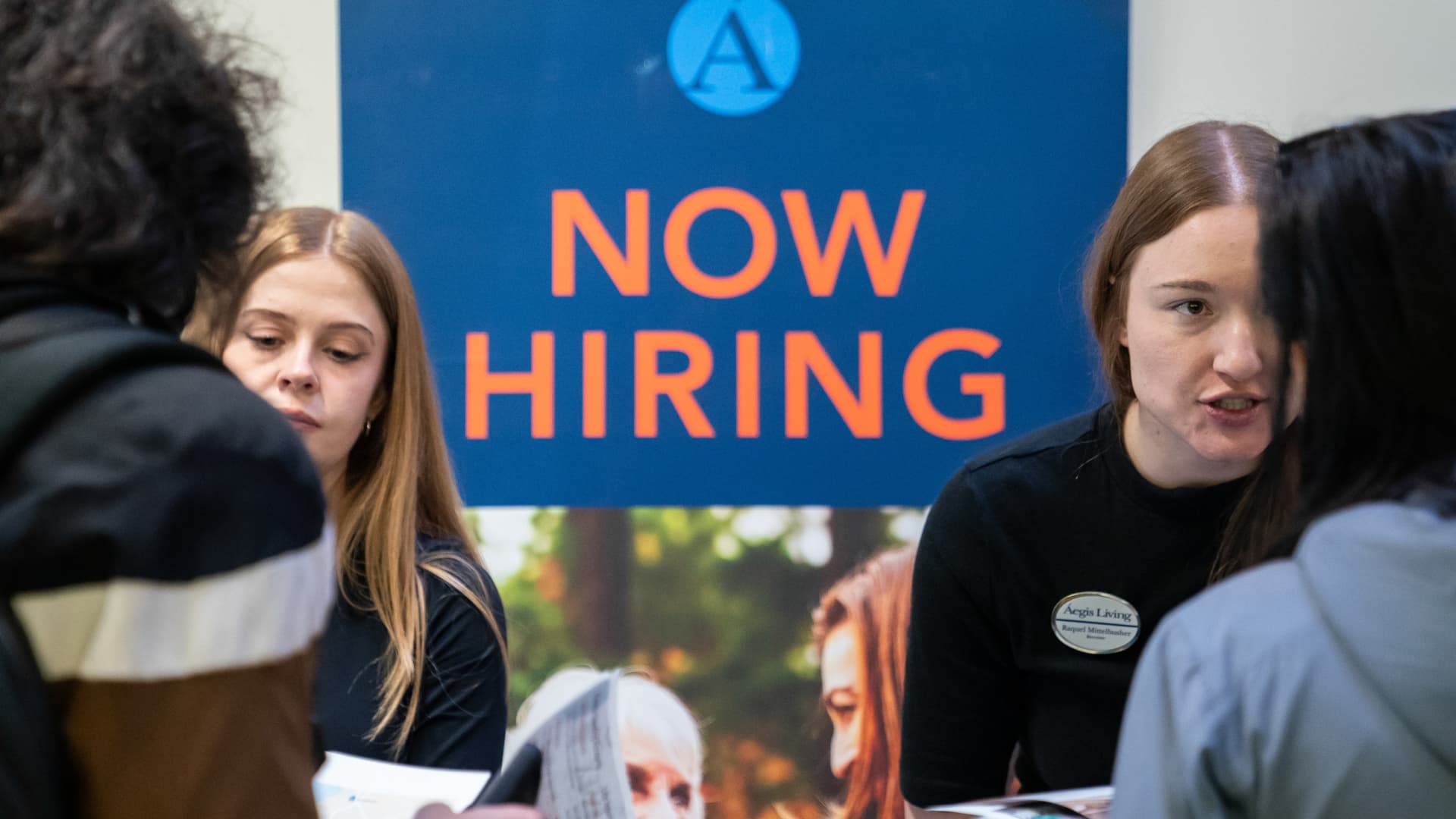
The August 2026 US nonfarm payrolls report is scheduled for release on Friday, 4 September 2026. Economists are forecasting a modest increase of 53,000 jobs, a figure that underscores the continued weakness in the American employment sector.
This forecast characterises the recent period as a "jobless summer," a descriptive term for a stretch of subdued labour market conditions. While the 53,000 figure represents the consensus estimate, it remains a projection until the data is officially released by the US government.
The persistent softness in job growth has shifted the policy calculus for the Federal Reserve. With employment no longer viewed as the primary constraint, the central bank’s attention is increasingly focused on taming inflation. This dynamic suggests that the Fed may prioritise price stability over further stimulus to the labour market.
Investors are monitoring the upcoming data release closely, as it will provide further clues on the trajectory of US monetary policy. The report is expected to be a key input for market participants assessing the balance of risks in the global economy.
In addition to the payrolls data, market watchers are awaiting the release of the Personal Consumption Expenditures (PCE) Price Index. This inflation gauge is considered a preferred metric by the Federal Reserve for assessing price stability.
A speech by Federal Reserve Chair Kevin Warsh is also on the calendar, adding to the volume of information investors must digest. The combination of the jobs report, PCE data, and the Chair’s remarks is likely to shape expectations for future interest rate decisions.
For Australian investors, the distinction between the US Federal Reserve and the Reserve Bank of Australia remains important. While both institutions manage monetary policy, their current priorities differ, with the US Fed currently weighing inflation against a cooling labour market.