US jobs data shocks markets as 23,000 positions lost in July
The lacklustre July employment figures have triggered a repricing of Federal Reserve interest rate expectations, with traders scaling back bets on further monetary tightening.
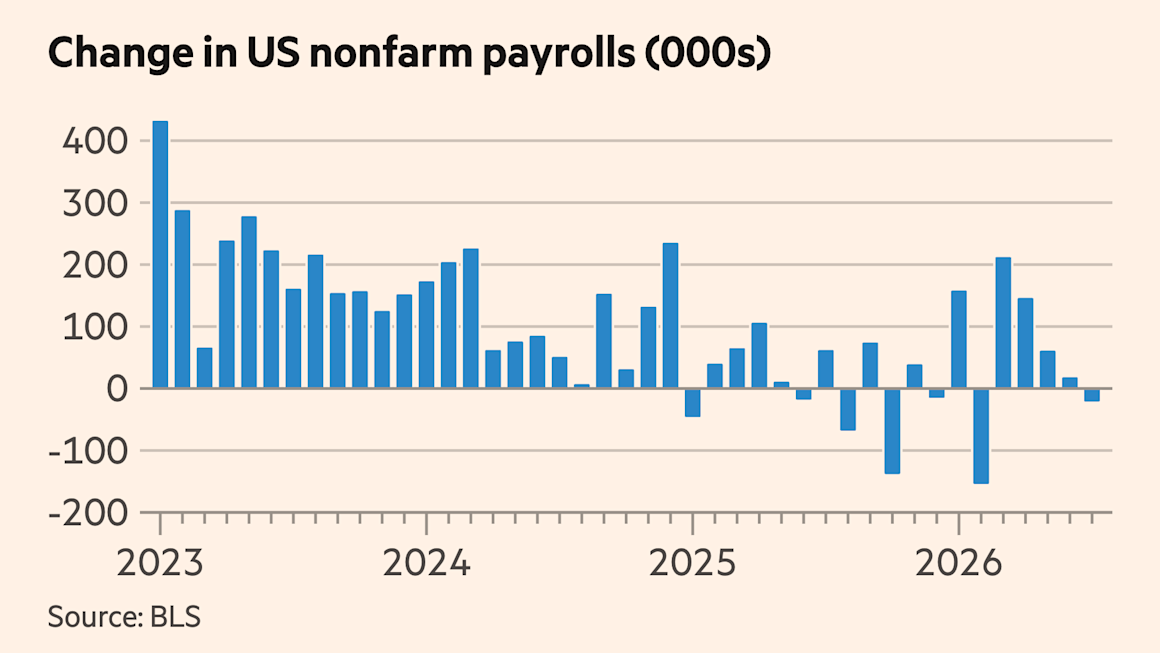
The US economy unexpectedly contracted in July, shedding 23,000 jobs in a development that has unsettled financial markets and altered the trajectory of monetary policy expectations. The figure, described as lacklustre, stands in stark contrast to the robust employment growth that has characterised much of the recent economic landscape, signalling a potential cooling in the labour market.
According to reporting by the Financial Times, the unexpected net loss in employment has prompted a immediate recalibration of investor sentiment. Traders have moved to scale back their bets on Federal Reserve interest rate rises, adjusting their positions in response to the weaker-than-anticipated data. This shift reflects the central bank’s dual mandate, where employment metrics are closely scrutinised alongside inflation indicators to guide future policy decisions.
The contraction in jobs highlights the increasing uncertainty surrounding the resilience of the US economy. While the magnitude of the job loss is modest in absolute terms, the direction of travel is significant for policymakers. The Federal Reserve has been navigating a delicate balance between curbing inflation and supporting economic growth, and this latest data introduces new variables into that equation.
Market reaction was swift, with the employment report serving as a catalyst for reduced expectations of further tightening by the central bank. The scaling back of rate rise bets suggests that investors are pricing in a more dovish stance from the Federal Reserve in the near term, anticipating that the weaker labour market may necessitate a pause or a shift in policy focus.
This development underscores the sensitivity of financial markets to US economic indicators. As the Federal Reserve continues to assess the health of the economy, the July jobs data will likely feature prominently in upcoming policy discussions, influencing not only interest rate trajectories but also broader market valuations and capital allocation strategies.