US-Iran technical talks set to resume in Switzerland as Gulf security concerns mount
Diplomatic efforts intensify ahead of scheduled negotiations, even as Israel refuses to withdraw from southern Lebanon and maritime evacuation efforts continue.
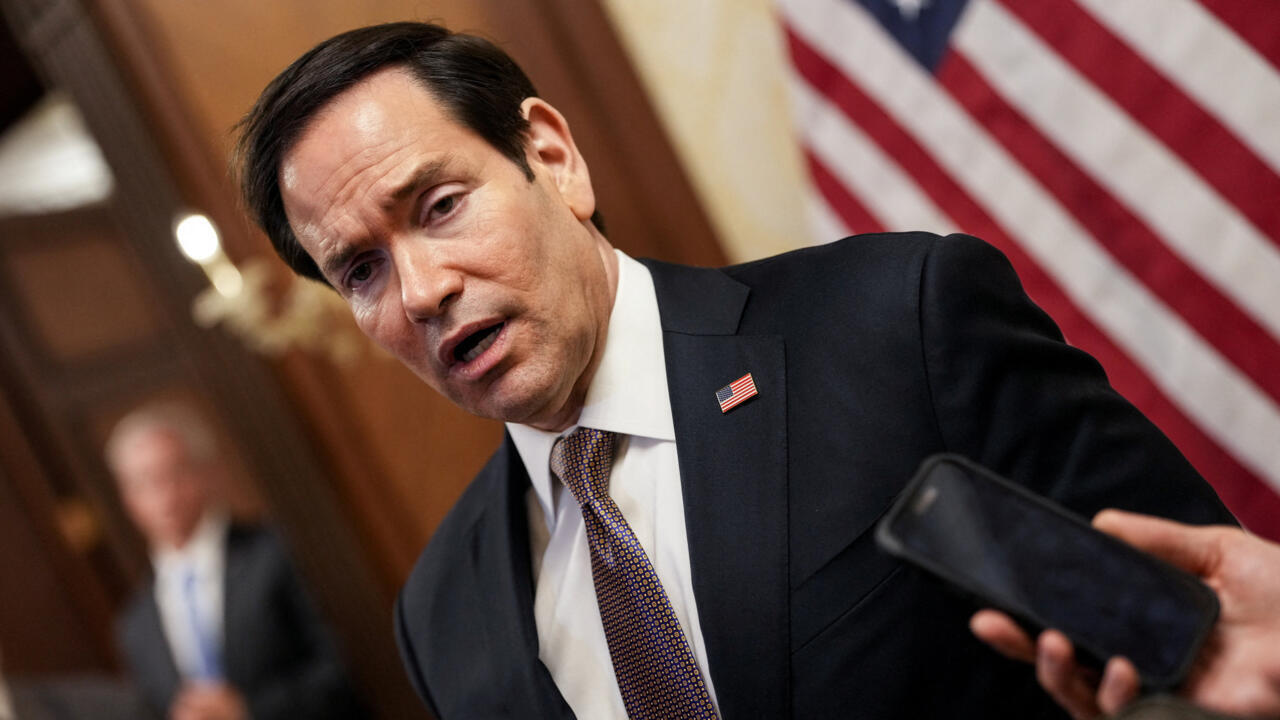
US Secretary of State Marco Rubio has confirmed that technical talks between Washington and Tehran are expected to resume on 29 or 30 June in Switzerland. Speaking during a tour of Gulf states, Rubio stated that the United States would remain "completely aligned" with its regional partners as it pursues negotiations aimed at a permanent settlement to the Middle East war. He emphasised that the US would engage Gulf allies on every decision made regarding the negotiation process, seeking to reassure partners who fear that excessive concessions could reshape the region's security balance.
The diplomatic push comes amidst significant economic shifts, with Brent crude prices falling below US$75 a barrel for the first time since the conflict began. The drop, which saw the benchmark extend losses to trade at US$74.73, has prompted a rise in US airline stocks as investors anticipate eased pressure on carrier earnings. However, Rubio noted that all countries are opposed to Iran imposing fees for transiting the Strait of Hormuz, asserting that no nation supports tolling for the use of the crucial waterway.
Despite the diplomatic overtures, regional tensions remain high. Israeli Defence Minister Israel Katz confirmed that Israel would not withdraw from southern Lebanon, despite reports that such a move was a condition set by Tehran in ceasefire negotiations. Katz stated that the United States had not demanded a withdrawal and described the current stance as a "diplomatic achievement," adding that Israeli forces remain in the area to protect residents of the north.
The humanitarian and logistical impact of the conflict continues to unfold, with the International Maritime Organization estimating that the evacuation of 11,000 stranded sailors in the Gulf will take several weeks. Arsenio Dominguez, the IMO secretary-general, indicated that the evacuation of approximately 600 ships stuck since the start of the conflict is underway following a recent ceasefire deal. Meanwhile, the US Embassy in Kuwait has resumed emergency services after operations were suspended in March following Iranian drone attacks.
In a domestic political development, the US Senate passed symbolic legislation directing President Donald Trump to halt military action against Iran. The vote represents a setback for the President, who has faced increasing rebuke from Congress. As Rubio pitches the peace deal to Gulf leaders, the administration faces the delicate task of balancing diplomatic progress with the security concerns of allies and the domestic political fallout from the ongoing conflict.