US-Iran talks show ‘significant progress’, Rubio says
Washington reports diplomatic movement in negotiations with Tehran, though details on the scope of concessions or specific policy outcomes remain undisclosed.
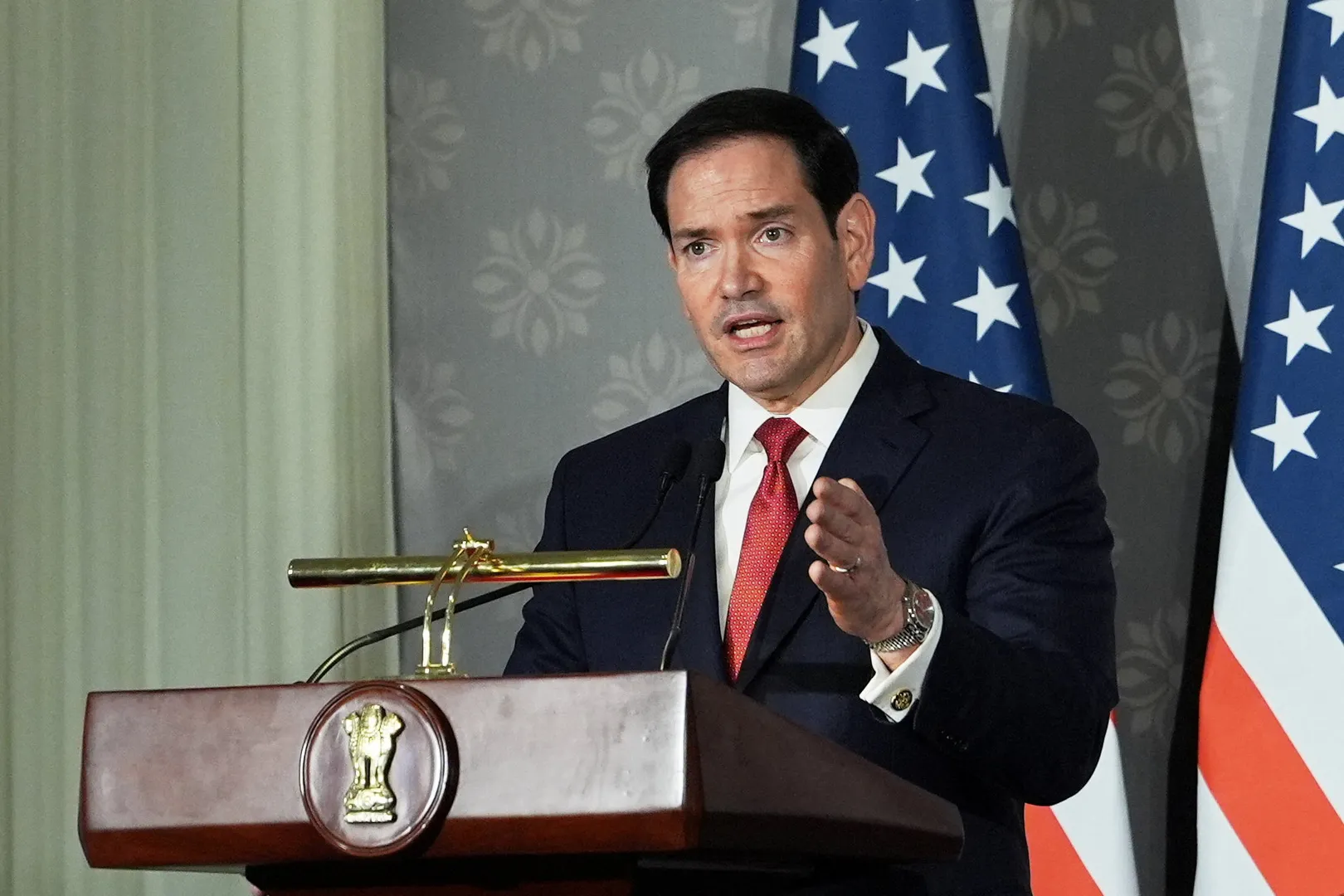
US Secretary of State Marco Rubio has announced that the United States and Iran have achieved “significant progress” in their ongoing negotiations. The statement marks a notable diplomatic development between the two nations, though the specific parameters of the talks have not been elaborated upon in official briefings.
Rubio’s assertion of progress comes without accompanying details regarding the subject matter of the discussions. It remains unclear whether the negotiations are focused on nuclear programme restrictions, regional security arrangements, or the lifting of economic sanctions. The source material provides no independent verification of the nature or extent of the concessions made by either party.
The announcement occurs against a backdrop of heightened geopolitical complexity in the broader Middle East and Caribbean regions. Recent intelligence reports indicate that Cuba has acquired over 300 military drones from Russia and Iran, a development that has drawn scrutiny from US intelligence officials.
While Iran is identified as a key supplier in the context of Cuban military acquisitions, the available information does not explicitly link these separate transactions to the current diplomatic track between Washington and Tehran. The US Treasury has recently imposed sanctions on Cuba’s intelligence agency, further complicating the regional security landscape.
Diplomatic engagement between the United States and Cuba has also seen activity, including a visit by CIA Director John Ratcliffe to Havana. However, these interactions appear distinct from the direct US-Iran negotiations referenced by Rubio.
As the situation develops, the lack of detail surrounding the “significant progress” cited by the Secretary of State leaves the policy implications ambiguous. Stakeholders are awaiting further clarification on whether these negotiations signal a shift in US foreign policy towards Iran or represent a tactical pause in broader regional hostilities.
The current status of the talks remains under the sole attribution of Rubio, with no additional data provided to substantiate the claim of substantive breakthroughs.