US-Iran Peace Proposal Under Review as Nuclear Deal Terms Remain Unverified
The White House claims a ceasefire deal is imminent, yet Iranian officials warn of harsh retaliation if necessary concessions are not met.
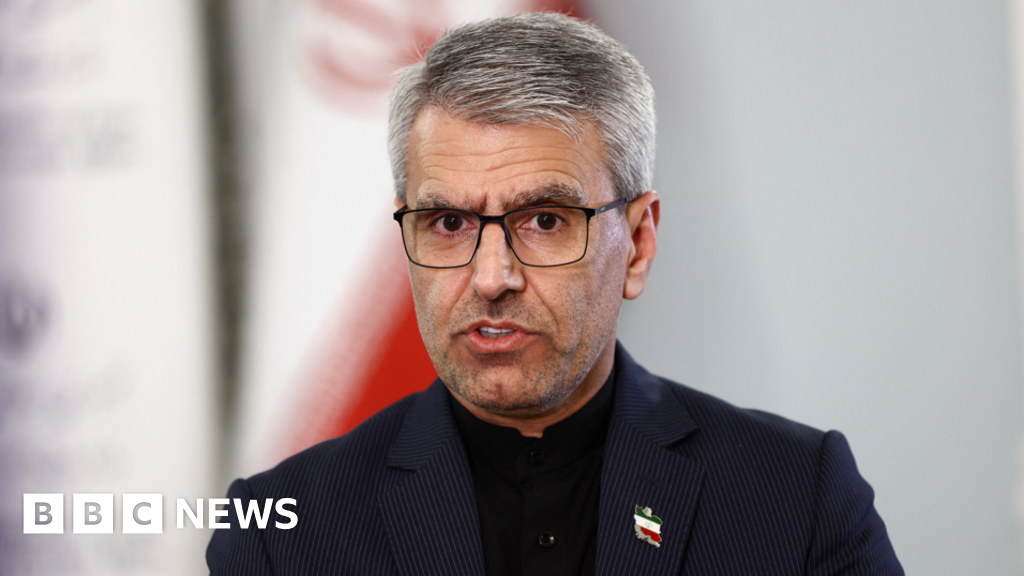
Reports indicate that the White House believes it is nearing a 14-point memorandum of understanding with Iran to formally end the ongoing conflict. While senior US officials suggest the framework is close to finalisation, Iranian representatives have stated that the proposal is currently under review and have not confirmed any agreement.
The reported terms of the potential deal include a suspension of Iranian nuclear enrichment, the lifting of economic sanctions, and the restoration of free transit through the strategically vital Strait of Hormuz. However, Tehran has rejected these specific conditions, with the Iranian Foreign Ministry describing the US offer as a 'wish list' that fails to address core national interests.
US President Donald Trump has asserted that Iran has agreed to never possess nuclear weapons as part of the package, a claim that remains unverified by Iranian officials. Concurrently, the President announced a pause on Project Freedom, a naval operation designed to clear the Strait of Hormuz, stating that military action would cease assuming Iran agrees to the agreed terms.
Despite the diplomatic overtures, tensions remain elevated in the region. The Strait of Hormuz has effectively been blockaded since late February following US and Israeli attacks, disrupting the flow of 20 per cent of the world's oil and liquefied natural gas. While a ceasefire was announced in early April halting Iranian drone and missile strikes on Gulf nations, vessel transit remains severely restricted.
Internal US administration dynamics have also surfaced, with reports suggesting negotiators are urging President Trump to accept a rejected Iran nuclear framework. This internal push contrasts with the President's previous public opposition to sending money to Tehran, highlighting the friction within the current diplomatic strategy.
Meanwhile, hostilities between Israel and Hezbollah continue unabated despite an April ceasefire agreement. Israeli Prime Minister Benjamin Netanyahu confirmed full coordination with President Trump, reiterating the objective to remove all enriched material from Iran. This ongoing friction underscores the complexity of the broader security situation in the Middle East.