US-Iran confrontation framed as psychological contest of leverage and resolve
Expert warns Western overreaction to maritime pressure inadvertently strengthens Islamic Republic's strategic position
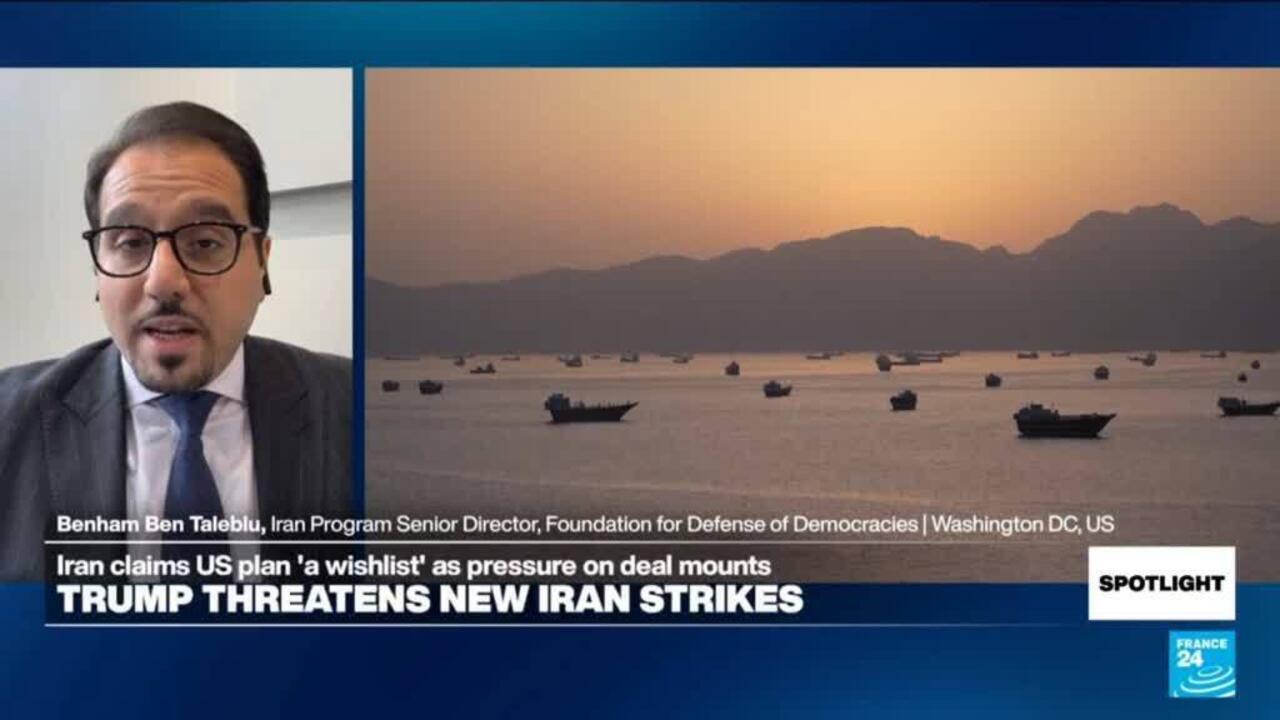
Behnam Ben Taleblu, Iran Program Senior Director and Senior Fellow at the Foundation for Defense of Democracies, has characterised the escalating confrontation between the United States and Iran as a dangerous contest of high risk and high reward. The analysis presented by the think tank suggests the situation extends beyond traditional military or economic engagement to become a psychological battle over leverage and narratives.
According to Taleblu, Tehran is actively probing the Trump administration's tolerance for escalation. He argues that the Islamic Republic is looking at the play to the edge to determine whether Washington is risk averse or risk tolerant, framing the conflict as a test of perceived resolve rather than a purely kinetic engagement.
In his assessment, China emerges as a pivotal actor pursuing primarily mercantilist and predatory motives. Taleblu rejects simplistic depictions of Beijing as an omnipotent puppet master, instead portraying the nation as a calculating power balancing relations with both Washington and Tehran while carefully protecting its own energy and strategic interests.
Throughout the interview, Taleblu repeatedly warns against what he sees as Western overreaction to Iranian maritime pressure. He argues that media and markets together have created an overreaction that has really amplified the Islamic Republic's ability to project influence and maintain its strategic posture in the region.
Yet he simultaneously insists the threat itself is real and longstanding, describing Tehran's use of the Strait of Hormuz as something deployed almost kind of like a nuclear weapon during the forty days of conflict. This description underscores the gravity of the maritime choke point in the volatile geopolitical landscape of the Persian Gulf.
The Foundation for Defense of Democracies analysis highlights how the crisis increasingly intersects with broader regional power dynamics, where the interplay of psychological warfare and mercantilist motives complicates the traditional understanding of statecraft in the Middle East.