US intercepts Iranian missiles as Lebanon conflict deepens
Tensions escalate across the Middle East as Washington reports successful interceptions of Iranian ballistic missiles, while Israeli strikes in Lebanon kill soldiers and diplomatic efforts between the US and Iran remain deadlocked.
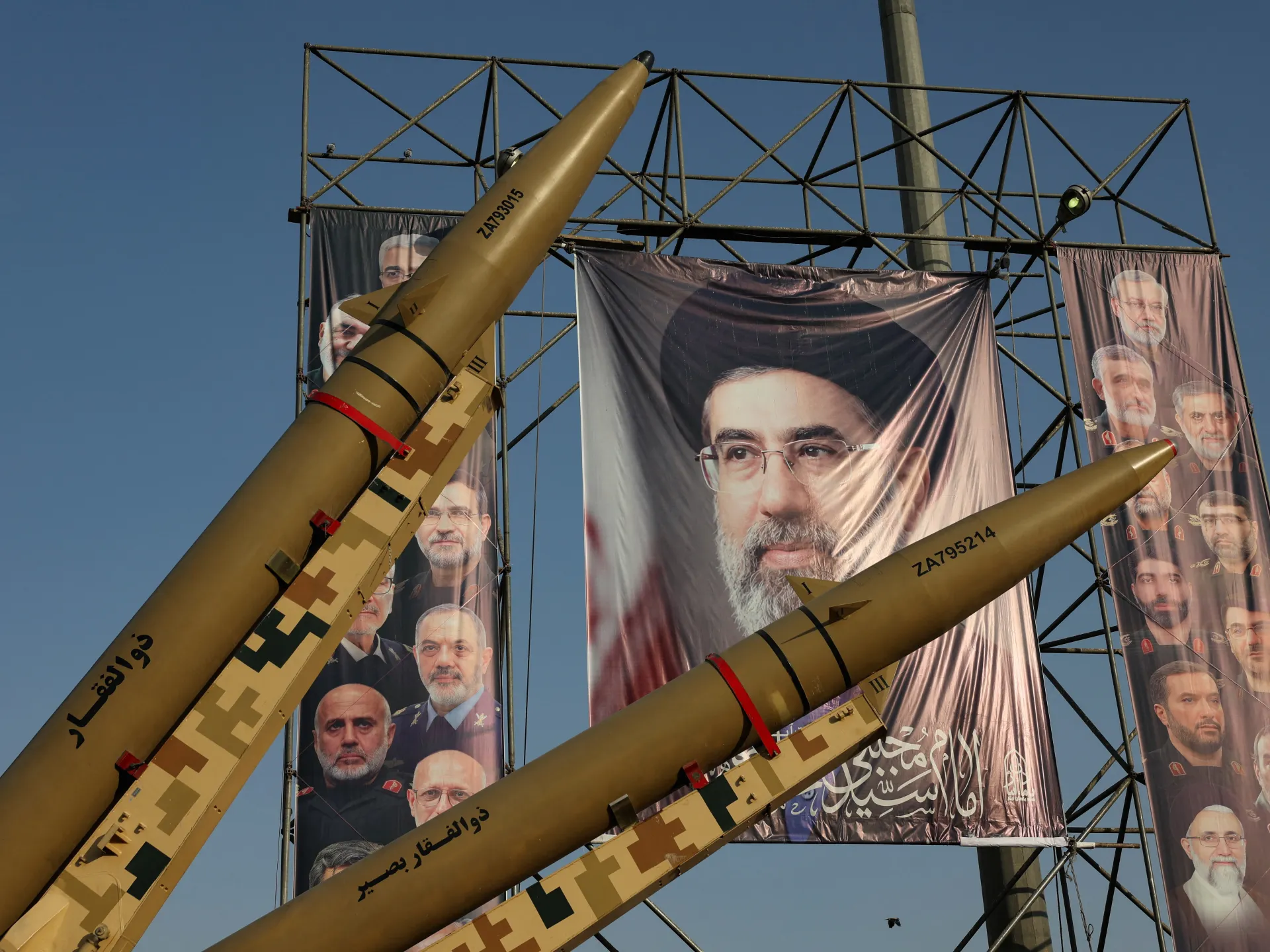
The United States has intercepted multiple Iranian ballistic missiles and drones launched towards the Gulf, marking a significant escalation in military hostilities as diplomatic negotiations between the two nations stall. According to US Central Command (CENTCOM), seven ballistic missiles were fired towards Kuwait and Bahrain on Friday night, with six intercepted and the seventh failing to reach its intended target. This follows earlier reports that US forces had shot down four Iranian attack drones directed at the Strait of Hormuz.
Concurrently, US military operations targeted Iranian coastal surveillance radar sites located in Goruk and on Qeshm Island. In response, the Islamic Revolutionary Guard Corps (IRGC) stated that its attacks were retaliatory measures aimed at US bases in the region. The IRGC also claimed to have fired at four tankers attempting to cross the Strait of Hormuz, describing the incident as a warning to Washington regarding uncoordinated transit attempts by oil tankers backed by the United States.
Diplomatic efforts to reach an interim deal have effectively stalled, with the two sides remaining at odds over core demands. Iran is seeking sanctions waivers, access to frozen assets, and the lifting of a US blockade on its ports, while the United States insists on the reopening of the Strait of Hormuz and concessions regarding Tehran’s nuclear programme. Despite the ongoing hostilities, diplomatic anomalies persist, including the US granting visas to Iran’s World Cup football team for a match in Los Angeles on 15 June.
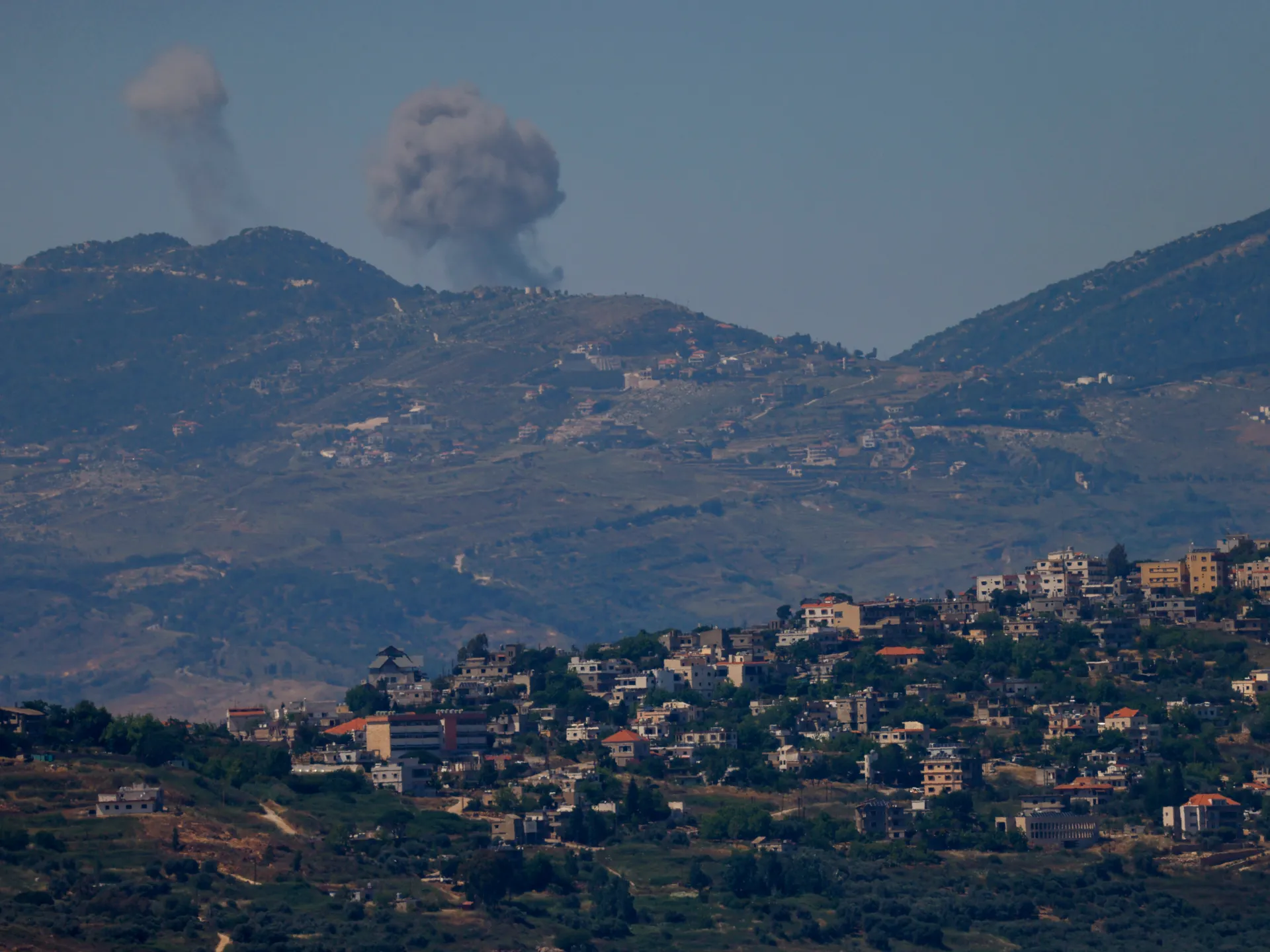
The conflict has also intensified in Lebanon, where Israeli strikes continued to impact the region. On Saturday morning, the Lebanese army reported that several soldiers, including an officer, were killed after an Israeli strike hit their military vehicle on the Khardali-Nabatieh road. This incident marks a rare direct impact on Lebanese state forces, as the army has historically avoided confrontation and has not engaged in the current conflict between Israel and Hezbollah, which began in early March.
Political tensions between Tehran and Beirut have also surfaced, with Iranian Foreign Minister Abbas Araghchi rejecting comments by Lebanese President Joseph Aoun that Beirut was being used as a bargaining chip. Araghchi stated on X that if Lebanon were such a chip, a deal would have been reached long ago, urging the president to save Lebanon from its real foe. Meanwhile, Hezbollah leader Naim Qassem rejected a US-brokered ceasefire between the Lebanese government and Israel, citing the exclusion of Hezbollah and the lack of provisions for an Israeli withdrawal from southern Lebanon.