US intensifies strikes on Iran as conflict erodes ceasefire hopes
Washington aims to degrade Tehran’s capacity to threaten shipping in the Strait of Hormuz, while Iranian forces claim retaliation in Kuwait and Bahrain.
The United States has launched a fresh wave of military strikes against Iran, marking the eighth consecutive night of operations since hostilities were renewed this month. US Central Command confirmed at 03:30 GMT on Sunday that its assets targeted Iranian military coastal surveillance, air defence facilities, maritime capabilities, and missile and drone storage sites belonging to the Islamic Revolutionary Guard Corps (IRGC).
The operations were conducted in direct response to Iranian attacks in Jordan on Friday that resulted in the deaths of two US soldiers. According to CENTCOM, the strikes were designed to further degrade Iran’s ability to threaten commercial shipping in the Strait of Hormuz and to punish the IRGC forces responsible for the assault on American service members.
Reporting from Tehran, Al Jazeera’s Resul Serdar Atas indicated that the US campaign is strategically aimed at isolating southern Iran from the rest of the country. He noted that several bridges, railways, tunnels, airports, and roads have been hit, with the destruction of this infrastructure significantly limiting the movement of people and logistical supplies. Hospitals are currently being evacuated and school exams have been postponed due to the damage.
Atas added that while the US aims to degrade the IRGC’s capacity, the targeted infrastructure is also utilised by civilians. He stated that the IRGC believes the US focus on provinces along the waterway is an attempt to ensure the group does not control the strategic shipping lane.
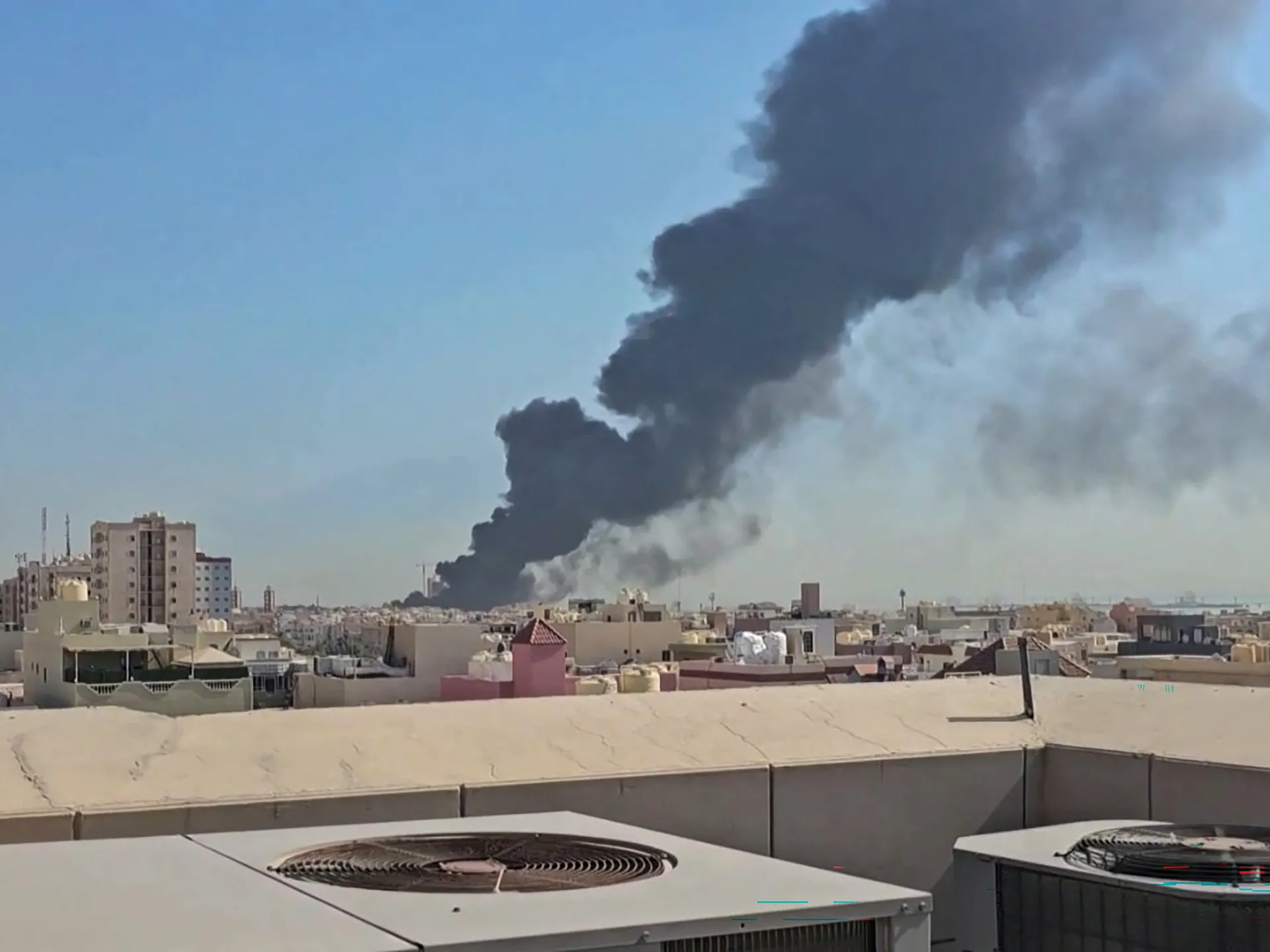
In retaliation, Iran’s army claimed to have launched a large-scale drone attack on two US military facilities in Kuwait: an ammunition depot at Camp al-Adiri and air defence radars at Ali Al Salem airbase. The Kuwaiti military confirmed it was confronting hostile missile and drone attacks. Meanwhile, air raid sirens sounded in Bahrain, including in the capital Manama, with authorities urging citizens to seek safe places.
Iranian media reported explosions in Sirik, a geostrategic location overseeing the Strait of Hormuz, as well as in Bandar Abbas and near Qeshm Island. Tasnim news agency reported that at least six missiles struck areas on the outskirts of Qeshm Island, while US jets targeted a location near Shadegan in Khuzestan province.
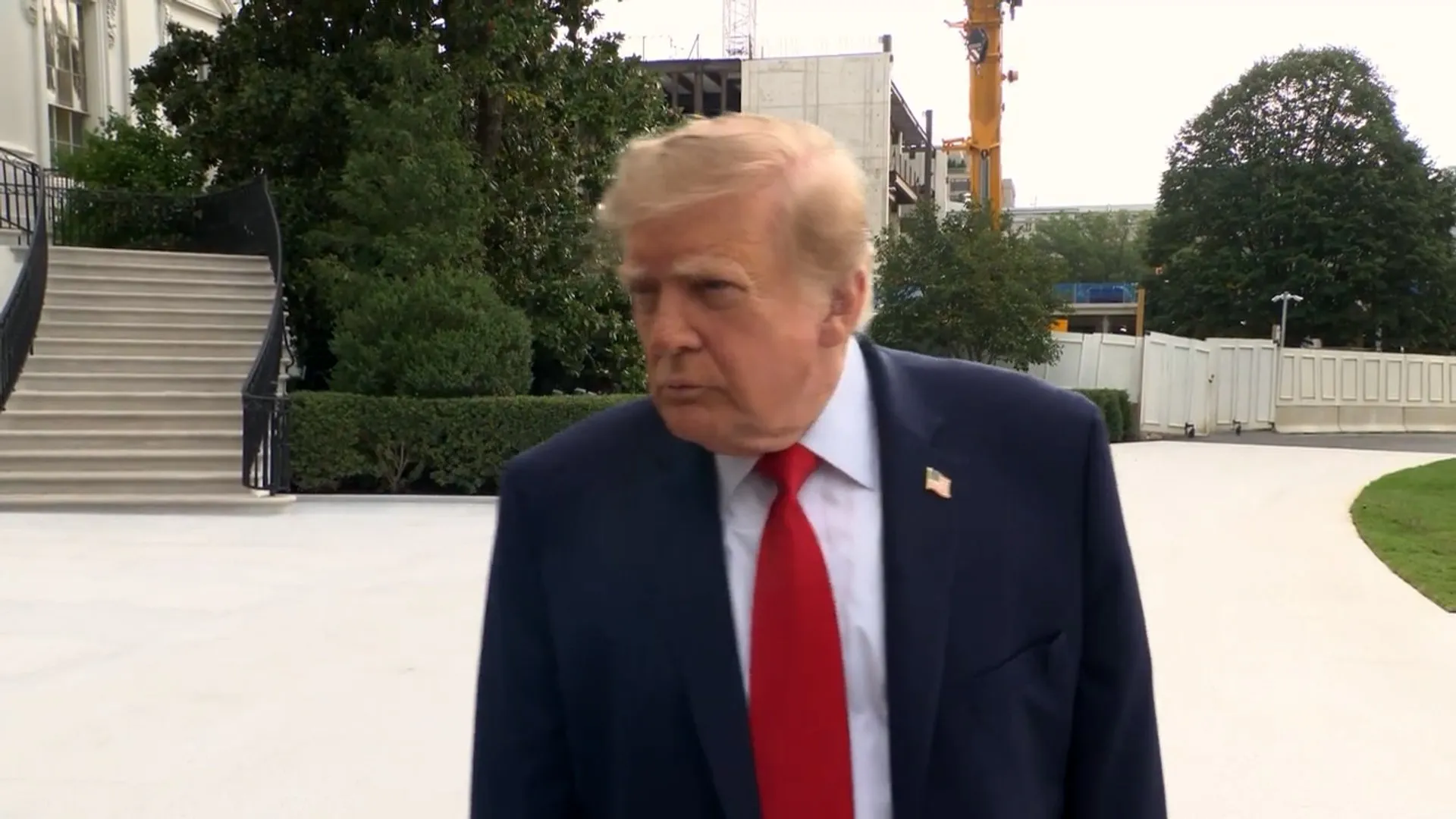
Political rhetoric has hardened on both sides. US President Donald Trump condemned the deaths of the soldiers and reaffirmed that Iran will not be allowed to possess a nuclear weapon. Iran’s Supreme Leader Mojtaba Khamenei warned the US of “unforgettable lessons” and accused Washington of violating a recent memorandum of understanding, describing the US president’s signature as “utterly worthless and invalid.”
Major-General Ali Abdullahi, commander of Iran’s Khatam al-Anbiya Central Headquarters, warned of a “decisive and devastating response” to US aggression. The sustained conflict has reportedly eroded fragile ceasefire negotiations between the two nations, raising concerns about further regional destabilisation.