Japan Braces for Extreme Heatwave as Saitama Forecasts 38°C
With daytime maximums expected to reach 38 degrees Celsius in Saitama Prefecture on 20 July, officials are calling for rigorous public health measures amid a widespread heat event.
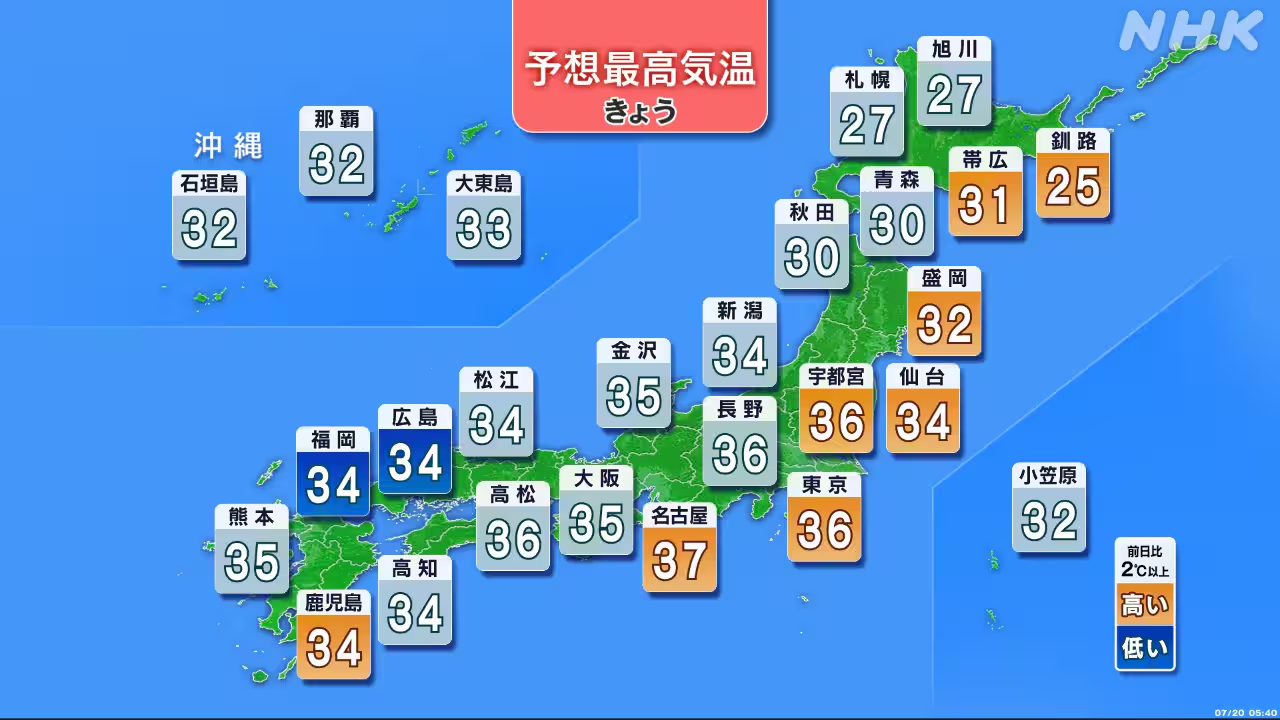
NHK News Japan has reported that extreme heat is expected to sweep across a broad geographic area from the Tohoku region to Kyushu on 20 July. The forecast indicates dangerous heat conditions, prompting authorities to issue urgent public health advisories for residents across the affected regions.
In Saitama Prefecture, the Japan Meteorological Agency’s forecasts predict daytime maximum temperatures will reach 38 degrees Celsius. This level of heat significantly exceeds the national definition of a "hot day," which is recorded when maximum temperatures reach 30 degrees Celsius or higher. The intensity of the heat in Saitama has been classified as posing dangerous conditions for public health.
Government bodies and meteorological authorities are urging the public to implement thorough heatstroke prevention measures. Specific recommendations include the appropriate use of air conditioning to maintain safe indoor temperatures and the frequent hydration of fluids to prevent dehydration. The emphasis is on proactive management of exposure to the extreme temperatures expected during the day.
The weather event covers a wide swath of the Japanese archipelago, indicating a systemic meteorological pattern rather than an isolated local anomaly. As the Japan Meteorological Agency remains the primary source for these forecasts, the data underscores the severity of the heatwave affecting multiple prefectures simultaneously.
Residents in the hardest-hit areas, particularly those in Saitama, are advised to monitor official updates closely. The combination of high temperatures and widespread geographic impact requires coordinated public response to mitigate health risks associated with prolonged exposure to extreme heat.