US inflation hits three-year high as Iran tensions drive petrol costs
The Personal Consumption Expenditures index rose 3.8 per cent year-on-year in April, with analysts warning that supply-side constraints may keep interest rates elevated through 2027.
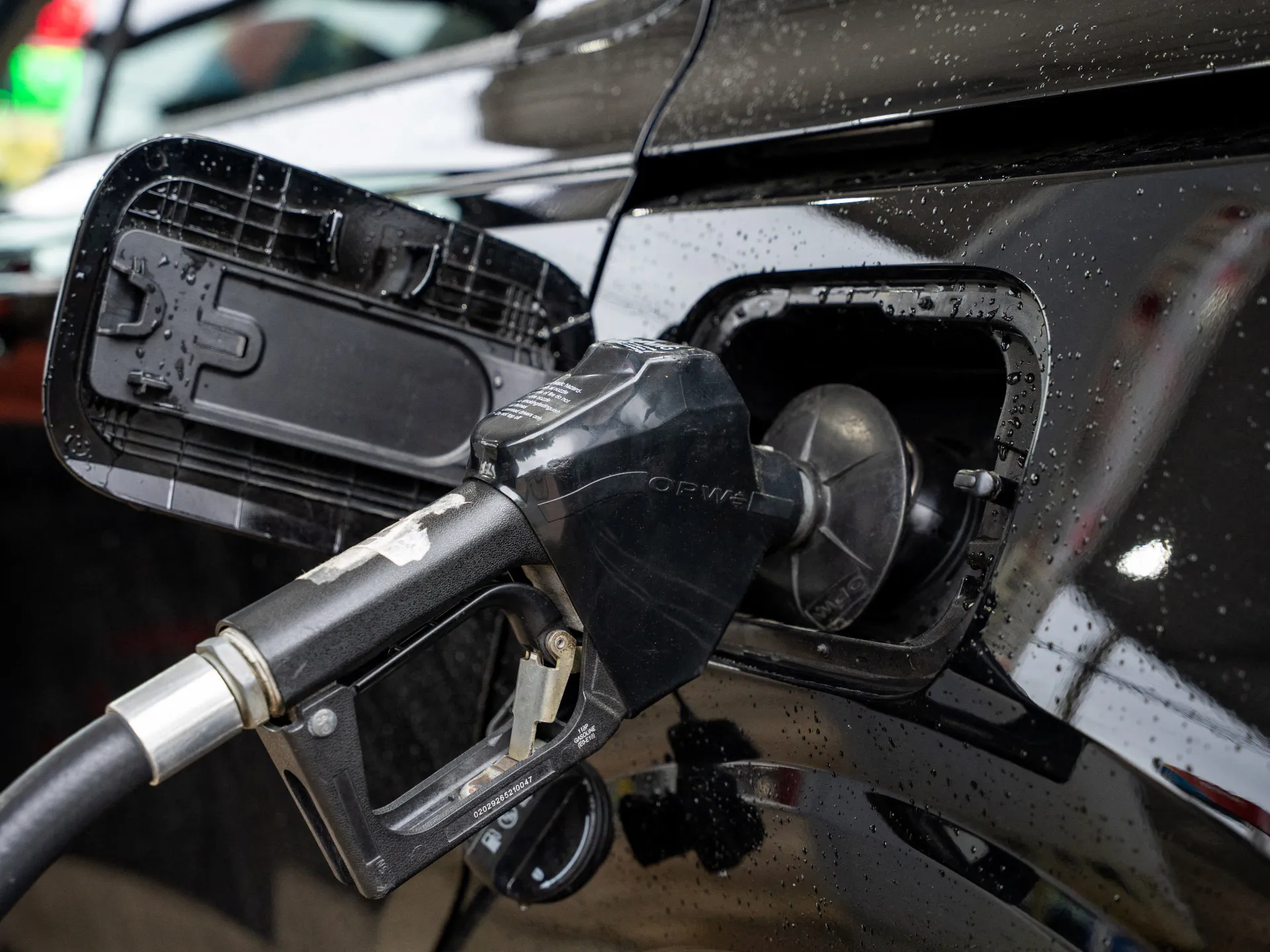
United States inflation accelerated to its fastest pace in three years during April, driven primarily by a 5.5 per cent surge in petrol prices linked to ongoing military tensions with Iran. The Personal Consumption Expenditures (PCE) index, the Federal Reserve’s preferred measure for gauging price stability, rose 3.8 per cent year-on-year and 0.4 per cent month-on-month, according to data released by the Department of Commerce’s Bureau of Economic Analysis.
The spike in energy costs has rippled through the broader economy, contributing to a 0.7 per cent increase in goods prices. Food prices rose by 0.5 per cent, marking the largest monthly increase since November 2022, while housing and utility costs climbed by 0.6 per cent. The data reflects the economic impact of strikes on Iranian targets conducted in late February, which strained global energy markets and pushed the average price of a gallon of petrol to $4.42.
Consumer spending rose by 0.5 per cent in April, following a 1 per cent increase in March, but households are increasingly depleting their financial buffers. The personal savings rate fell by 2.6 per cent last month, indicating that rising costs are forcing consumers to draw down savings to maintain expenditure levels. This shift in household behaviour adds complexity to the inflationary landscape, as sustained spending could further entrench price pressures.
The report places significant pressure on the Federal Reserve ahead of its policy meeting on June 16-17, which will be the first under new Chair Kevin Warsh. The central bank is tasked with returning inflation to its 2 per cent target, but analysts argue that the current environment is dominated by supply-side shocks rather than demand-driven overheating. Olu Sonola, head of US economics at Fitch Ratings, noted that while the Fed cannot resolve supply disruptions, it cannot ignore the way these shocks are feeding into underlying inflation.
Market participants and economists are largely expecting the central bank to maintain interest rates in the 3.50-3.75 per cent range well into 2027. A recent analysis by JPMorgan Chase suggests that rates will hold steady until mid-2027, with projections indicating a potential rate hike rather than a cut by that time. This outlook is consistent with the minutes from the Federal Reserve’s April meeting, which showed policymakers leaning towards tightening measures. Despite the inflationary data, US equity markets remained largely stable, with the Nasdaq and S&P 500 posting modest gains.