US inflation accelerates to 3.8% as energy costs surge amid regional conflict
Rising fuel prices linked to the closure of the Strait of Hormuz have driven the consumer price index to its highest level since May 2023, complicating interest rate decisions and presenting a political challenge for the administration ahead of the midterms.
The United States consumer price index rose to 3.8% in April, marking the highest annual rate recorded since May 2023. According to data released by the Bureau of Labor Statistics, this acceleration represents a significant shift from the 3.3% recorded in March, driven predominantly by surging energy costs. The Federal Bureau of Labor Statistics attributes nearly half of this inflationary increase to energy prices, with housing and food costs providing additional upward pressure on the overall figure.
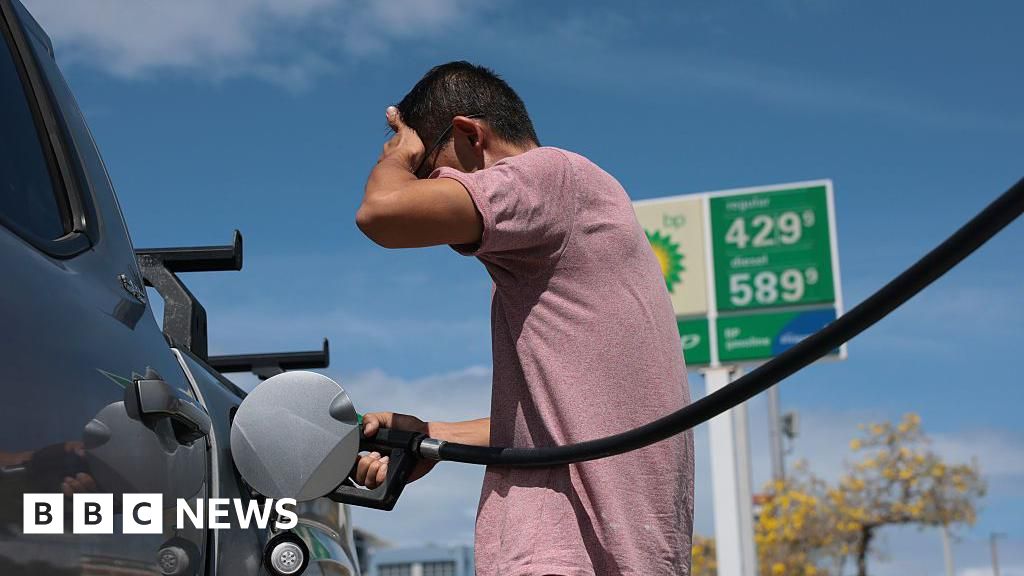
The primary driver of this economic shift is identified as the conflict in Iran and the subsequent effective closure of the Strait of Hormuz shipping lane. This geopolitical development has restricted global fuel supplies, directly impacting domestic pricing structures. Consequently, the national average price for a gallon of unleaded gasoline has climbed to $4.50, a level not witnessed since July 2022, according to figures provided by the AAA motoring group. The Bureau of Labor Statistics notes that the impact of the war in Iran is increasingly being felt by consumers through these rising costs.
The implications for monetary policy are immediate and restrictive. The upward revision of the inflation rate significantly reduces the likelihood that the Federal Reserve will proceed with planned interest rate cuts later this year. As the central bank monitors the persistence of these price increases, the data suggests that the current economic environment remains too volatile to support a reduction in borrowing costs, thereby maintaining pressure on financial markets and household budgets.
Beyond the immediate economic indicators, the data presents a distinct political challenge for President Donald Trump and the Republican party as they approach the November midterm elections. The administration's 2024 re-election campaign had placed a central focus on plans to reduce inflation, yet the latest figures suggest that high energy costs are now a persistent reality for voters. The rise in airfares and clothing prices further complicates the narrative, even as the price of new cars saw a slight decline during the same period.
The Consumer Price Index, which measures the percentage change in prices over the past 12 months, serves as the key metric for this assessment. While previous inflation rates had reached 4% three years prior, the current trajectory is heavily influenced by the specific dynamics of the Strait of Hormuz. The uncertainty surrounding the extent to which the conflict translates into domestic price spikes without significant market mitigation remains a critical factor for policymakers and analysts observing the intersection of security and economic governance.