US indictment of Raúl Castro sparks debate over Cuba crisis scenarios
The Trump administration is engaging with internal Cuban figures to seek a negotiated transition, while analysts warn that state collapse or military intervention remain possible outcomes amid severe economic shortages.
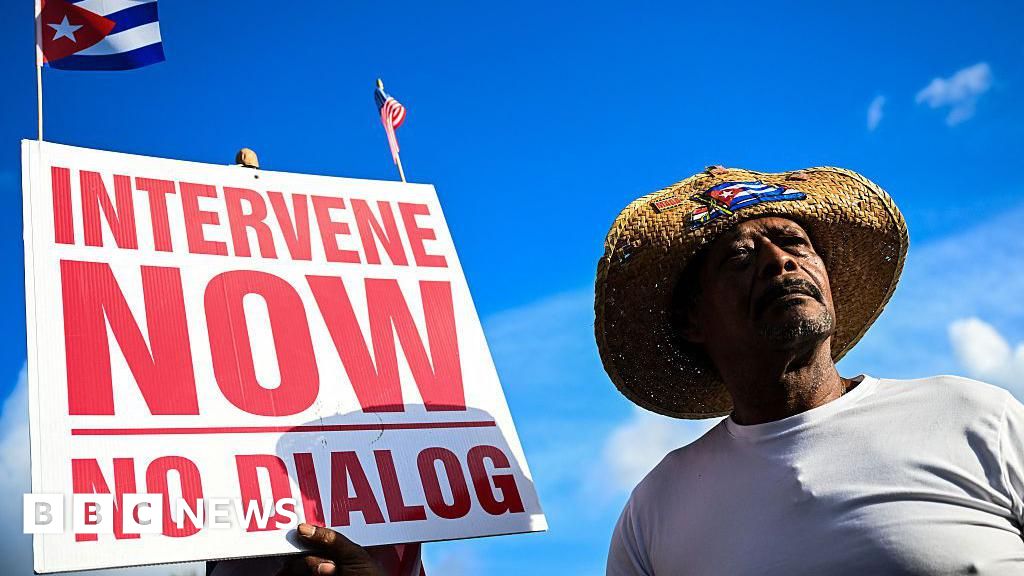
The United States has charged former Cuban president Raúl Castro with murder, intensifying pressure on Havana as the island faces its most significant fuel and energy shortages in decades. The indictment, stemming from the 1996 shootdown of two civilian aircraft by Cuban fighter jets, has reignited speculation regarding potential US responses to the ongoing political and economic crisis. While President Donald Trump has stated that no military escalation is necessary, the Trump administration is simultaneously engaging with Cuban figures to seek a political settlement that avoids regional instability.
The legal action has prompted immediate discussion of a potential US special operations mission to extract Castro, drawing comparisons to recent operations in Venezuela regarding Nicolás Maduro and Panama regarding Manuel Noriega. Florida Senator Rick Scott indicated that the US should not take any options off the table, suggesting a similar approach to that used against Maduro. However, experts note that while such an operation is militarily feasible, it carries significant risks due to Castro’s advanced age and heavy security detail. Furthermore, analysts argue that removing the 94-year-old figurehead may not significantly alter the broader power structure of the Communist government, which has evolved since he stepped down in 2018.
Rather than direct military intervention, the Trump administration appears to favour a negotiated transition involving new Cuban leadership. Secretary of State Marco Rubio stated that the administration’s preference is for a negotiated agreement that would see Cuba open its economy and remove Russian or Chinese intelligence presence from the island. This approach mirrors strategies used in Venezuela, where the government remained largely intact while engaging with Washington. President Trump claimed on Truth Social that Cuba is asking for help and that the US is already in talks with internal figures, although he maintained that escalation is not required.
Diplomatic efforts are underway, with CIA Director John Ratcliffe recently meeting Cuban officials, including Raúl Castro’s grandson, Raúl Guillermo Rodríguez Castro, and Interior Minister Lázaro Álvarez Casas. Despite these engagements, experts highlight a lack of an obvious successor figure within Cuba comparable to Delcy Rodriguez in Venezuela. Michael Shifter, a professor of Latin American studies, noted that power dynamics in Cuba differ significantly from those in Venezuela, making the identification of a viable alternative governing structure difficult for US officials.
A third potential outcome is a state collapse driven by economic failure, which has already resulted in hours-long daily blackouts and severe food shortages. While the Cuban economy is deteriorating, experts caution that the state’s security apparatus remains largely intact, complicating the prospect of a simple regime change. A total collapse could trigger a significant refugee crisis, with large numbers of Cubans potentially fleeing towards the United States or Mexico. Cuban President Miguel Diaz-Canel has previously warned of a bloodbath should the US launch an attack, as Washington imposes fresh sanctions on Cuba’s intelligence apparatus and senior officials.