US households face estimated $100bn fuel bill during Iran war
A Brown University Watson Institute tracker estimates US households paid an additional US$763 each for petrol and diesel over six months.
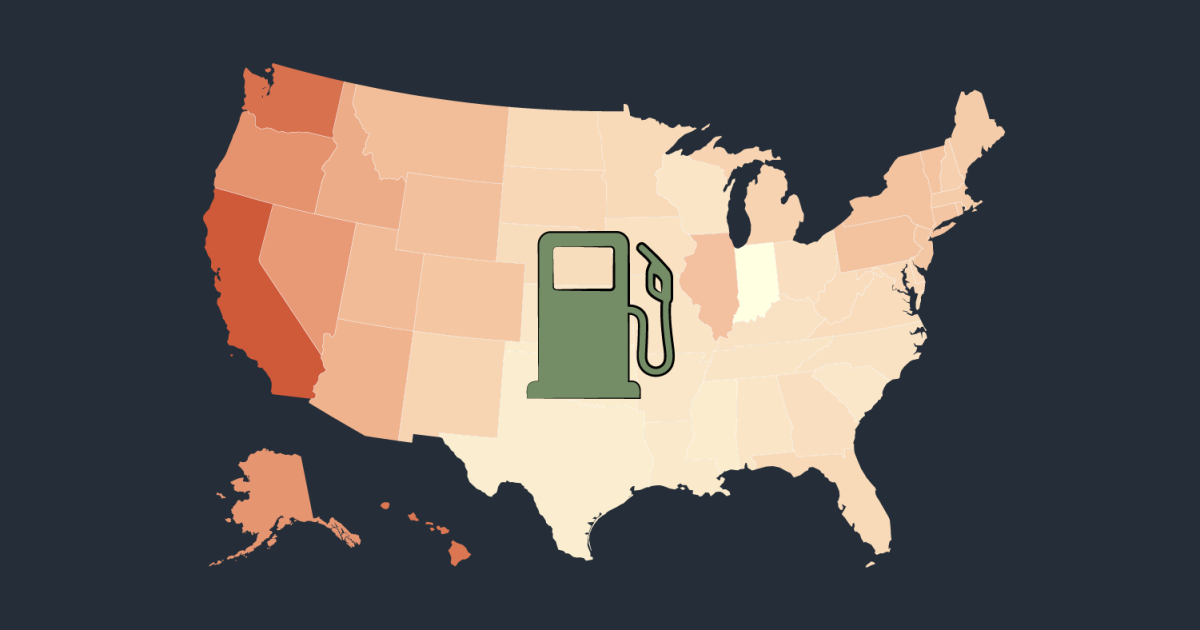
US consumers paid an estimated additional US$100 billion for petrol and diesel in the six months since the US-Israel war on Iran began on 28 February, according to a tracker from Brown University’s Watson Institute for International and Public Affairs.
Based on about 131 million households, the estimate equates to roughly US$763 per household. The figures are estimates, and the supplied material does not detail the tracker’s methodology or establish how much of the increase was directly caused by the conflict.
Average petrol prices rose 39 per cent, from about US$2.98 to US$4.15 a gallon. Diesel prices increased by more than 60 per cent, from US$3.67 to US$5.90 a gallon.
Petrol accounts for the larger share of the additional cost because US consumers use more petrol than diesel. Prices also vary significantly between states, with California recording the highest average petrol price and Indiana the lowest, according to the source material.
Higher fuel costs feed into expenses across the food system, including farm production, refrigeration and storage, plastic packaging and trucking. Those costs can accumulate through production and delivery before reaching consumers.