US House rebukes Trump over Iran war in symbolic vote
The lower chamber of Congress passed a war powers resolution 215-208, drawing sharp condemnation from the White House and highlighting deepening partisan fractures.
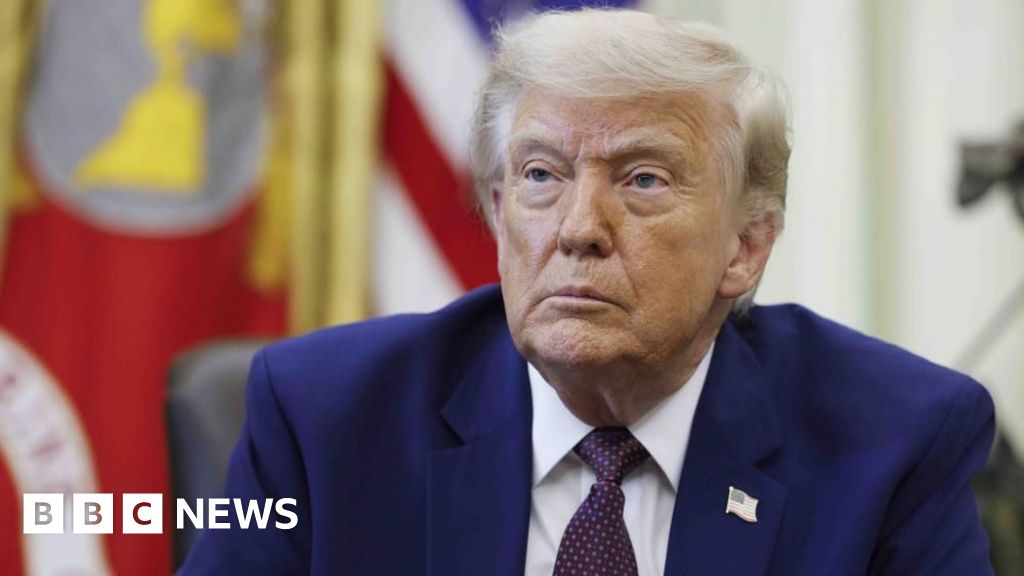
The US House of Representatives has passed a war powers resolution seeking to halt further military action by President Donald Trump in Iran, a move that underscores growing legislative dissent despite its limited legal enforceability. The measure passed with a vote of 215 to 208, relying on the support of four Republican lawmakers who joined the Democratic caucus in opposition to the ongoing conflict.
President Trump responded swiftly to the vote, condemning the decision as "unpatriotic" and "meaningless" in a post on Truth Social. He specifically targeted the Republican members who crossed party lines, labeling them "grandstanders," while accusing Democrats of suffering from "Trump Derangement Syndrome." The White House has dismissed the resolution’s merits, characterising it as an unconstitutional attempt to restrict executive power.
The resolution is widely regarded as symbolic due to the significant legal and procedural obstacles it faces. As a concurrent resolution, it would not require the president's signature if passed by both chambers, but it remains vulnerable to legal challenge. If the Senate were to alter the language, it would become a joint resolution requiring presidential approval, which Trump would likely veto, and Congress lacks the votes to override him.
The vote marks the fourth attempt by the House to rein in the president’s war powers, following a similar advance in the Senate in May. Critics argue that the administration has already violated the War Powers Resolution by maintaining military operations for more than 60 days without explicit congressional approval, though the White House maintains that the restriction is unconstitutional.
Public sentiment appears to be shifting against the conflict, with a New York Times/Siena poll from May indicating that 64 per cent of registered voters believe Trump was wrong to go to war with Iran. Support for the war remains sharply divided along partisan lines, with 93 per cent of Democrats opposing it and 70 per cent of Republicans supporting it, while 73 per cent of independent voters oppose the conflict.
The legislative rebuke occurs amidst rising petrol prices and increased public opposition, adding pressure on the White House to seek a diplomatic exit. The vote also follows a recent revolt by conservative Republicans that forced the administration to withdraw plans for a $1.8 billion "anti-weaponization" fund, signalling continued instability within the president’s own party.
Republican lawmakers who supported the resolution defended their stance on constitutional grounds. Michigan Republican Tom Barrett stated he voted his conscience, while Maine Democrat Jared Golden, who had previously voted against similar measures, supported the resolution this time, emphasising the need to protect Congress’s authority to declare war.