US House passes resolution to halt further military action on Iran
Legislative move signals internal US political friction over foreign policy direction, though the resolution’s final legal standing remains uncertain pending Senate and presidential review.
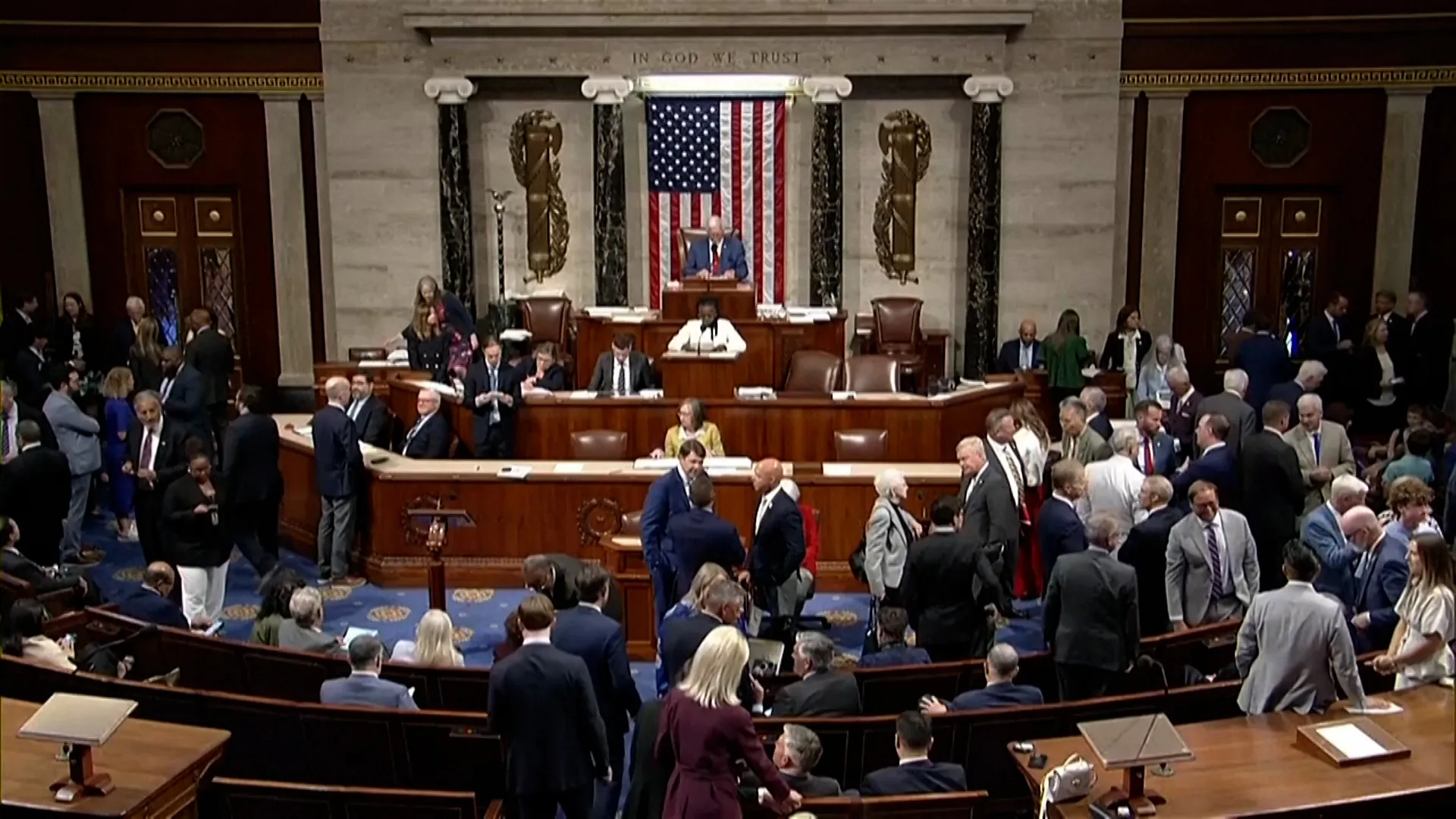
The US House of Representatives has passed a resolution aimed at halting any further escalation of military conflict with Iran. The vote, conducted under Republican leadership of the chamber, represents a significant legislative check on executive power regarding ongoing engagements in the Middle East.
According to reports from Al Jazeera, the resolution specifically targets the "further push" of the war, implying that military operations or tensions are already active. The measure seeks to restrict the US government’s ability to expand or continue these hostilities through additional legislative mandates.
The passage of the resolution highlights a divergence in policy direction within the US political landscape. By moving to block further military action, the Republican-led House has introduced a formal barrier to potential escalations, although the precise scope of the restrictions on future operations remains undefined in the initial reports.
It is currently unclear whether the conflict is officially designated as a "war" under US law or if the term refers to broader military operations. Journalistic standards require verification of the official designation, as the source material utilises the phrase "war on Iran" to describe the situation.
The resolution’s status as binding law is not yet confirmed. While it has passed the House, its progress through the Senate and its potential signature by the President are not specified in the available source material. Cross-referencing with US legislative records such as Congress.gov is recommended to verify the resolution number and specific text.
The vote occurs against a backdrop of unrelated international events, including Russian drone activity in Romania and legislative debates in France, which remain distinct from this specific US domestic policy decision. The immediate focus remains on the implications of the House’s decision for future US-Iran relations.