US House Overrides Republican Opposition to Pass Ukraine Aid and Russia Sanctions Bill
The vote of 226-195 reflects growing congressional frustration with the administration’s diplomatic approach, while Vladimir Putin signals openness to compromise based on previous understandings with Donald Trump.
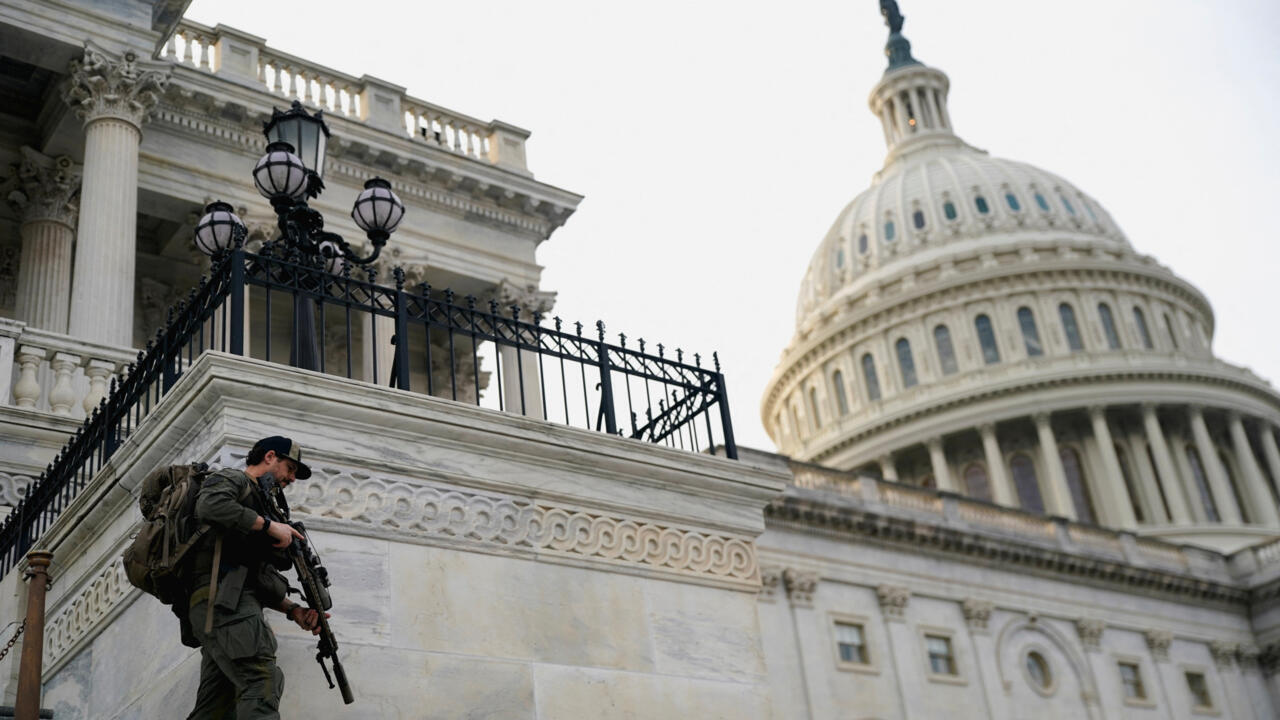
The US House of Representatives passed a significant foreign policy package on Thursday, overriding objections from Republican leaders to provide substantial support for Ukraine and impose new sanctions on Russia. The legislation, sponsored by Representative Gregory Meeks of New York, secures more than $1 billion in security and reconstruction aid, alongside $8 billion in defence loans for Kyiv.
The measure passed with a vote of 226-195, representing the second major foreign policy divergence from President Donald Trump’s administration this week. It follows a separate House approval on Wednesday of a war powers resolution aimed at halting US military action against Iran, underscoring a growing impatience within Congress regarding the president’s handling of global conflicts.
Republican leadership had warned that the bill could undermine ongoing diplomatic negotiations, yet the vote proceeded regardless. The legislation seeks to cement US assistance for Ukraine as the conflict enters its fifth year, with lawmakers signalling that legislative action is necessary to ensure continuity of support despite administrative hesitancy.
Concurrently, Russian President Vladimir Putin addressed the escalating conflict, acknowledging that Ukrainian drones have breached air defences and caused damage, including a symbolic strike on a facility in Saint Petersburg during an investment forum. Putin stated that Russia would strengthen its air defence systems and expressed openness to a compromise based on previous understandings reached during a summit with President Trump in Anchorage, Alaska.
Ukrainian President Volodymyr Zelensky has also sought direct engagement, issuing an open letter calling for a face-to-face meeting with Putin to discuss a full ceasefire. Meanwhile, the war continues to exert pressure on regional stability, highlighted by a Russian drone strike in Galati, Romania, which injured two people and damaged a residential building, drawing condemnation from Romanian authorities.
The economic landscape in Russia is also under strain, with reports describing the economy as being in its trickiest spot since the war began in 2022. Rising prices, tax hikes, high borrowing costs, and labour shortages are compounding the impact of Ukrainian attacks on vital energy infrastructure, which threatens Moscow’s primary income stream.