EU carbon market reform stalls as industry lobbying intensifies
The European Commission’s push to tighten the bloc’s central climate mechanism faces significant headwinds from business groups and political allies, raising concerns among environmental agencies that dilution will undermine 2050 neutrality targets.
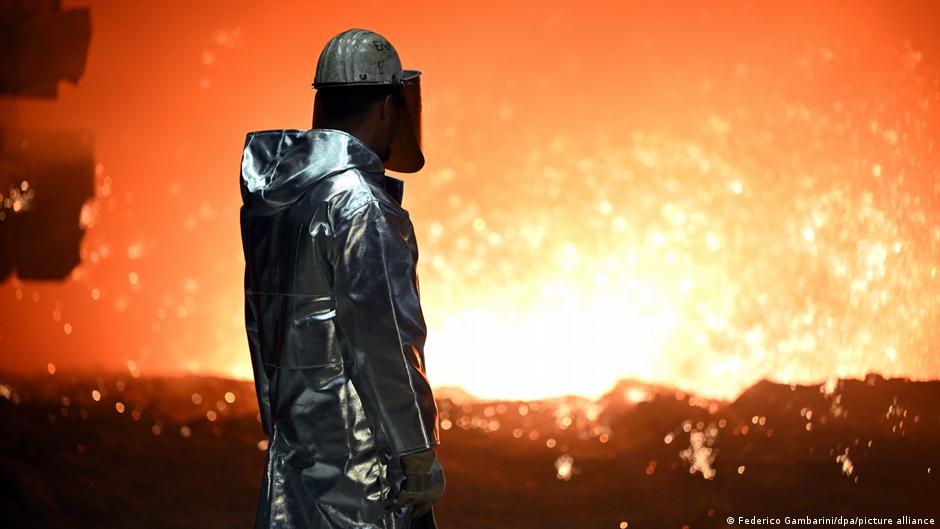
The European Commission is preparing a proposal to revise the European Emissions Trading System (ETS), the primary legislative tool designed to help the EU achieve carbon neutrality by 2050. While the scheme has successfully reduced emissions in the energy and steel sectors, it faces significant opposition from industry groups. These groups are lobbying against stricter regulations, particularly the removal of free emission allowances, arguing that the current economic climate makes further carbon pricing burdensome. Critics note that approximately 90% of industrial emissions are still covered by free allocations, which they claim undermines the effectiveness of the carbon price.
The political landscape has already impacted the reform timeline, with the launch of a second ETS for transport and buildings delayed from 2027 to 2028 due to political pressure. Environmental agencies, including the German Environment Agency (UBA), have warned that such delays or any dilution of the system risks undermining the EU’s broader climate targets. Sweden’s Minister for EU Affairs, Jessica Rosencrantz, has emphasised the need for a sufficiently ambitious linear reduction factor to maintain investment incentives for industrial transition, while also calling for waste incineration emissions to be included in carbon pricing.
Globally, the EU’s model has influenced over 35 carbon systems, partly through the Carbon Border Adjustment Mechanism (CBAM). However, concerns remain regarding how other jurisdictions are adopting these frameworks. Wijnand Stoefs of Carbon Market Watch noted that while countries like Indonesia, India, and Turkey are increasing uptake, some are replicating early EU mistakes, such as reliance on international offsetting projects. Additionally, the conservative EVP group in the European Parliament has suggested linking free allowances to local investments to secure jobs, rather than allowing them for investments outside Europe.
The ETS covers aviation, oil refineries, coal-fired power stations, steelworks, cement, glass, paper production, and parts of the chemicals industry and shipping. Together, these sectors account for up to 40% of EU emissions, with roughly 10,000 industrial facilities, factories, and power plants covered. The system operates by setting an overall emissions cap and issuing a limited number of allowances, which can be traded on the carbon market. Under current rules, the cap falls annually by 4.3%, a mechanism intended to encourage companies to cut emissions as quickly as possible.
Despite these structural mechanisms, the energy-intensive steel industry now emits around 20% less than before the scheme began, and emissions from all stationary industrial sites covered by the system fell by 51% between 2005 and 2024, according to the European Environment Agency. However, aviation emissions continue to rise because the ETS captures only a small share of the sector's full climate impact. The widespread use of free allowances remains a central point of contention, with some companies receiving more permits than they need and selling the rest, effectively turning a profit from the system.
BusinessEurope argues that inflation, geopolitical conflicts, restrictions on global trade, high defence expenditure, and a weak European economy are already placing industry under pressure. The lobby group contends that a further rise in the carbon price would add another significant burden on sectors already strained. Meanwhile, the conservative EVP group in the European Parliament has suggested that free allowances should no longer be used for investments outside Europe, but rather linked to local investments to secure jobs and strengthen Europe as an industrial hub.
The German Environment Agency (UBA) has issued a warning against further delays or dilution of the carbon market. It argues that limiting free allowances and maintaining a strong carbon market are essential if the EU is to meet its climate goals. As the Commission prepares its proposal, the balance between industrial competitiveness and environmental ambition remains a critical fault line in European climate policy.