US hands over Touska crew to Pakistan amid escalating Strait of Hormuz tensions
The transfer of 22 sailors from the seized container ship *Touska* is framed by Islamabad as a confidence-building measure, yet diplomatic channels remain closed as Washington and Tehran continue to test each other's resolve in the region.
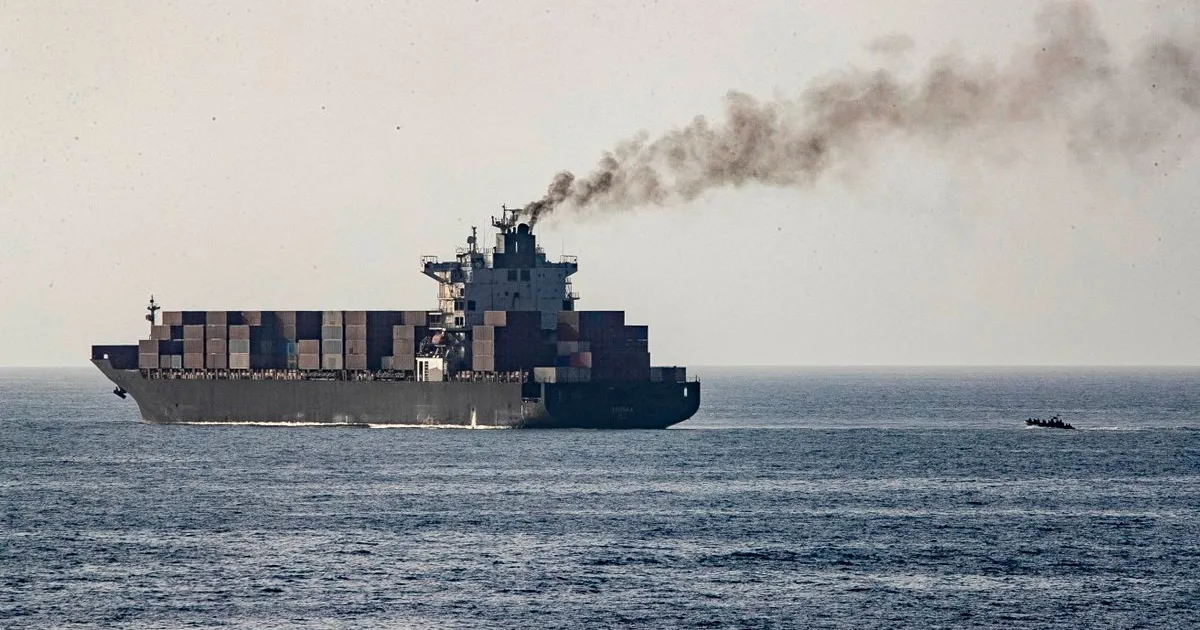
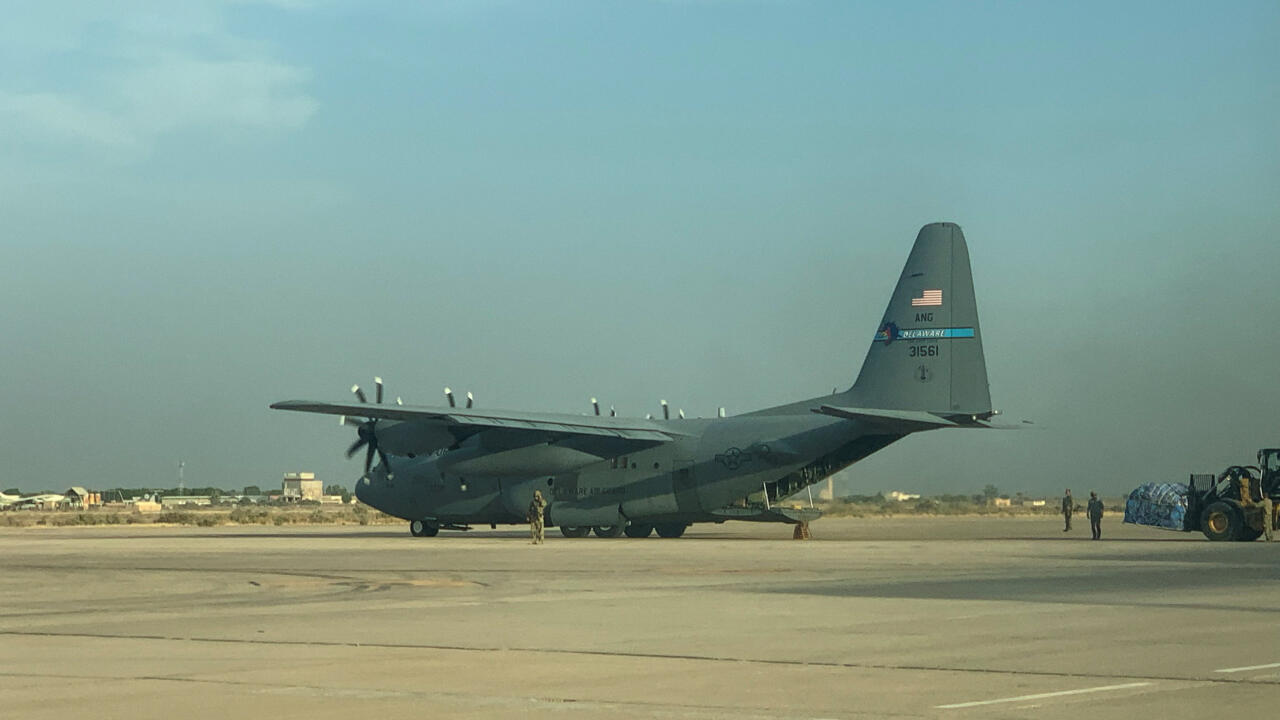
The United States has transferred 22 crew members from the Iranian container ship *Touska* to Pakistan for repatriation to Iranian authorities. This handover, executed on Monday, marks a brief respite in a rapidly deteriorating security situation within the strategically vital Strait of Hormuz. Pakistan's foreign ministry characterised the move as a confidence-building measure intended to de-escalate regional tensions, positioning Islamabad once again as a mediator between Washington and Tehran.
The vessel was seized by US forces in the Gulf of Oman on 20 April, following Washington's declaration of a naval blockade on Iranian ports. US Central Command (CENTCOM) stated at the time that the ship was attempting to transit the strait en route to Bandar Abbas. While the release of the crew signals short-term goodwill, it does not indicate a lifting of the blockade or a resolution to the underlying conflict. Diplomatic talks between US and Iranian delegations in Islamabad last month ended without a breakthrough, despite marking the first direct engagement between the two nations since 1979.
Despite the repatriation, military hostilities in the region continue to intensify. Iran has effectively closed the Strait of Hormuz following the start of the US-Israeli war, a move that has forced the US to announce "Project Freedom," an operation where naval ships will guide stranded vessels through the waterway. Concurrently, the Islamic Revolutionary Guard Corps (IRGC) has published a new map claiming an expanded zone of control in the strait, stretching to include the territorial waters of the United Arab Emirates. Analysts suggest this claim exceeds internationally recognised boundaries and serves as a further assertion of Iranian leverage in negotiations.
Tensions were compounded by conflicting reports of kinetic action in the strait. State media reported that two Iranian missiles struck a US naval vessel near Jask Island after ignoring IRGC warnings, a claim Washington has denied, stating no attack occurred. Meanwhile, a South Korean vessel caught in a fire and explosion in the Strait of Hormuz has added to the chaos, prompting authorities to investigate the cause of the blast. These incidents underscore the fragility of the current security environment and the high risk of miscalculation as both sides operate in close proximity.
Pakistan continues to coordinate with regional powers, including Saudi Arabia, Turkiye, Qatar, and Egypt, while maintaining close communications with China to build broader support for de-escalation. Deputy Prime Minister Ishaq Dar reiterated during a call with Iran's Foreign Minister, Seyed Abbas Araghchi, that diplomacy remains the only viable path to stability. However, Tehran's foreign ministry has indicated it is reviewing Washington's response to its 14-point proposal aimed at ending the conflict, which was sent via Pakistan earlier in the week.
The situation remains precarious as the US and Iran continue to intercept and seize vessels, with neither side showing signs of backing down. For Iran, the Strait of Hormuz represents its primary leverage for peace negotiations, while the US maintains that the blockade is a necessary response to non-compliance. As the *Touska* crew is returned, the broader geopolitical contest over the waterway appears set to continue, with the potential for further escalation looming large.