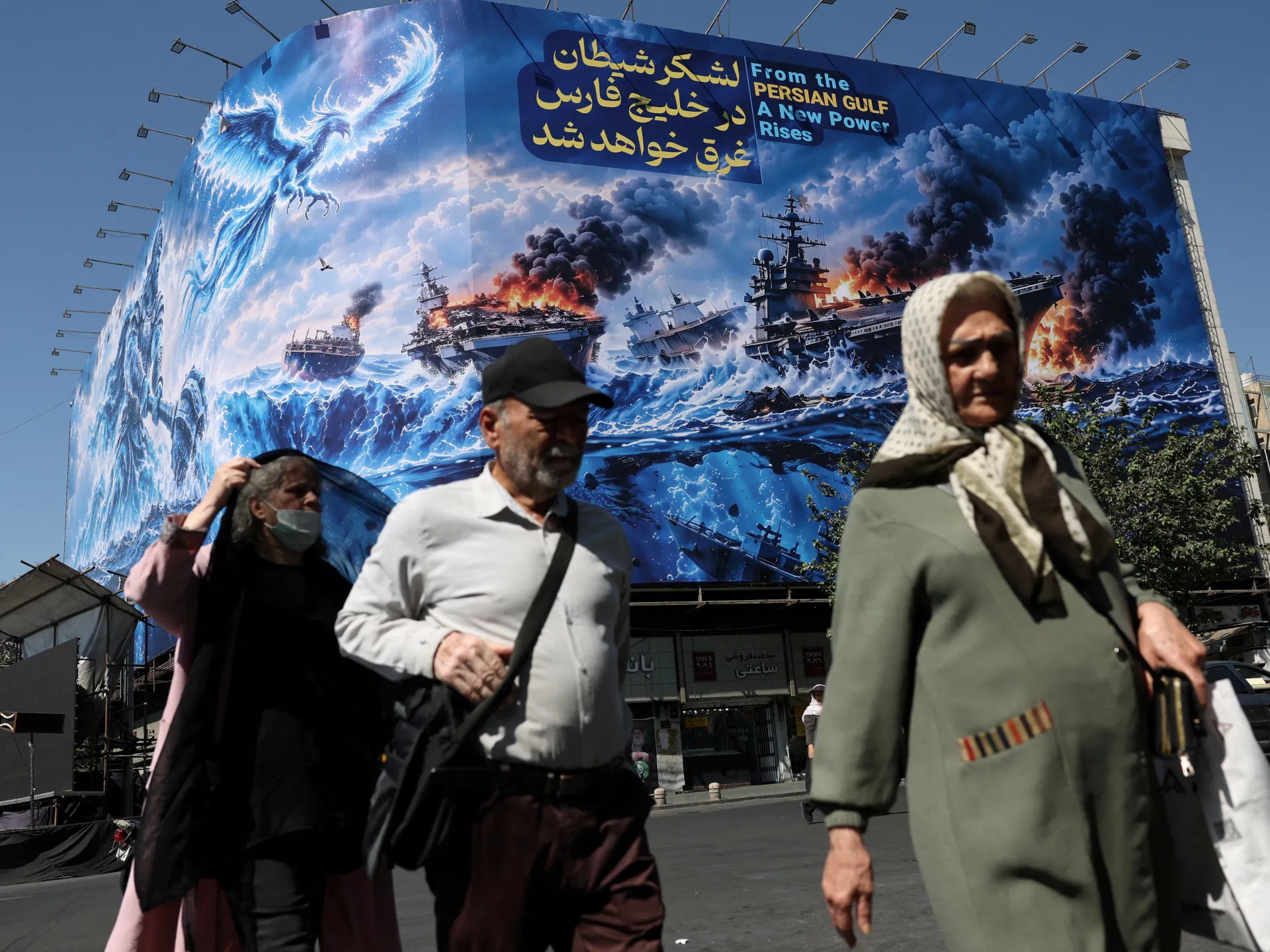
US forces intercept Iranian drones near Strait of Hormuz as diplomatic signals clash
Military interception occurs hours after US President announces cancellation of strikes, while oil markets react to shifting geopolitical risks.
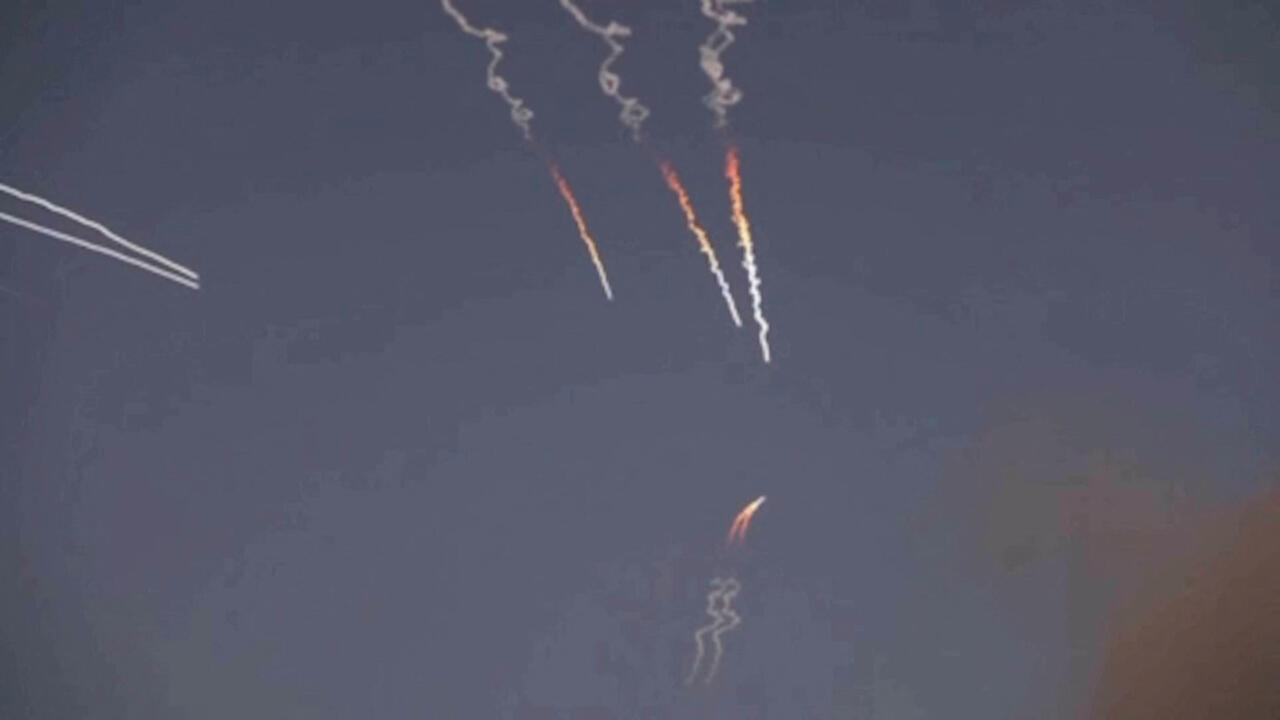
US forces shot down two Iranian one-way attack drones near the Strait of Hormuz on Thursday, intercepting what appeared to be an attempt by Tehran to strike commercial vessels transiting the critical waterway. The military engagement was confirmed by a US official to Reuters and occurred just hours after President Donald Trump announced a "great settlement" to end the war and cancelled threatened strikes on Iran.
The incident underscores the volatility of the region as diplomatic rhetoric diverges sharply from on-the-ground actions. While President Trump claimed that negotiators were close to extending a fragile ceasefire and that an agreement could be signed in days, Tehran stated it had not reached a final conclusion on any deal to end the Middle East war. The Tasnim news agency highlighted the inconsistency in Washington’s messaging, noting that Trump had announced a deal was imminent 38 times in the previous two months.
In response to the escalating tensions and earlier threats against Iran’s oil facilities, the Iranian military’s Khatam al-Anbiya command issued a stark warning regarding global energy supplies. The command stated that "either oil and gas exports are for everyone or they will be available for no one," signalling a potential threat to the free flow of energy through the strait if diplomatic efforts fail.
The cancellation of planned military strikes by the United States triggered an immediate reaction in global markets. Oil prices fell on Friday, extending losses from the previous session as fears of an escalation of hostilities receded. On a weekly basis, Brent crude was down 4.2 per cent, while West Texas Intermediate (WTI) crude dropped 4.4 per cent. However, by early Friday morning, Brent futures had risen slightly to $89.17 a barrel, and WTI climbed to $86.48.
Diplomatic efforts to stabilise the region continue to gather momentum elsewhere. Egypt urged the United States and Iran to seize the "available opportunity" for a deal following the withdrawal of strike threats. Meanwhile, the Israeli prime minister’s office reported that President Trump spoke to Prime Minister Benjamin Netanyahu about an emerging "memorandum of understanding" for negotiations, which would include the removal of enriched material and limits on missile production. Concurrently, Israeli and Palestinian civil society groups are meeting in France to urge the international community not to abandon the two-state solution.