US farm income slips as $1 million combines push operators to 1970s iron
Tightening margins and record machinery prices are forcing American farmers to delay purchases and rely on aging equipment, with combine sales plunging in May.
US net farm income is projected to decline by 2.6 per cent this year to $153.4 billion, according to the US Department of Agriculture. The drop coincides with a surge in agricultural machinery costs, as top-end combine harvesters now list for as much as $1 million. This price point exceeds the typical cost of a US home, prompting many operators to hold back on new purchases to preserve operating cash.
The financial squeeze is evident in sales data from the Association of Equipment Manufacturers, which reports that combine sales fell by 56.1 per cent in May compared with the previous year. Tractor sales also dropped by 21.6 per cent over the same period. The Bureau of Labor Statistics recorded a record producer price index for agricultural machinery at 331.1 in July, representing an increase of approximately 37 per cent from January 2020.
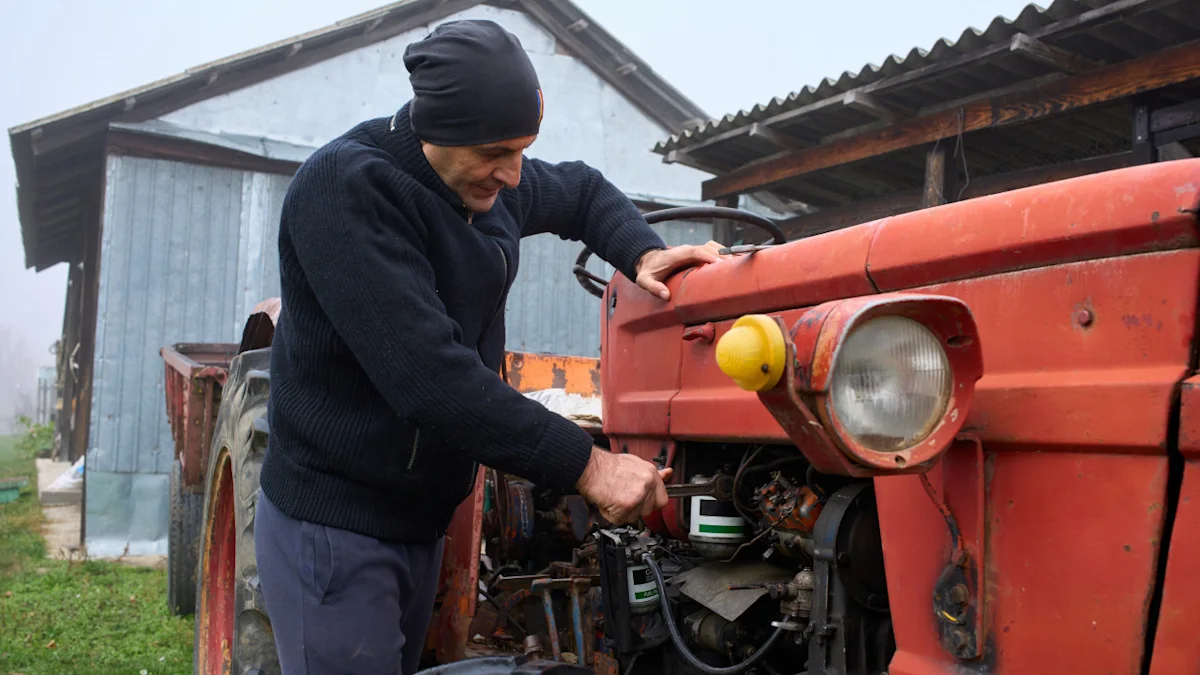
In response to these pressures, many farmers are returning to older machinery, including units dating back to the 1970s. Dennis Kellogg, a soybean farmer in Ithaca, Michigan, plans to run a combine from that era this fall rather than deplete the farm's limited operating funds. He relies on a collection of retired trucks and scrap parts for repairs, noting that components from one manufacturer often fit another.
Drew Kientzy, an agriculture research analyst at the University of Missouri, explains that the basic layout of agricultural machinery has remained relatively stable since the mid-1990s. This stability allows older units to remain functional, particularly when retrofitted with modern technology. However, for some operations, the cost of these upgrades may not justify the additional revenue. Donnie Edwards, who farms 2,000 acres in Paducah, Kentucky, has forgone $100,000 in computer system upgrades due to limited revenue justification.
To avoid financing costs, some operators are opting for custom harvesting services. Laura Haffner of High Plains Harvesting provides machinery and trained crews to farms across the US, offering an alternative to purchasing expensive equipment. Iowa State University’s 2026 custom rate survey indicates the median charge for combining corn is $45 an acre, while soybeans are $42 an acre. This approach allows farmers to avoid the annual costs of servicing, fueling, and staffing their own combines.
Despite the cost savings, relying on aging machinery or third-party services may reduce overall efficiency. Doug Houser, a digital agriculture specialist at Iowa State University Extension, notes that many operations are reassessing their equipment strategies. For now, farmers are prioritising the avoidance of bank loans, even if it means keeping a wrench in hand to manage repairs and breakdowns during the season.