US escalates pressure on Cuba with indictment of Raul Castro and military posturing
President Donald Trump hints at intervention while Secretary of State Marco Rubio dismisses diplomatic prospects, citing national security threats linked to Chinese and Russian ties.
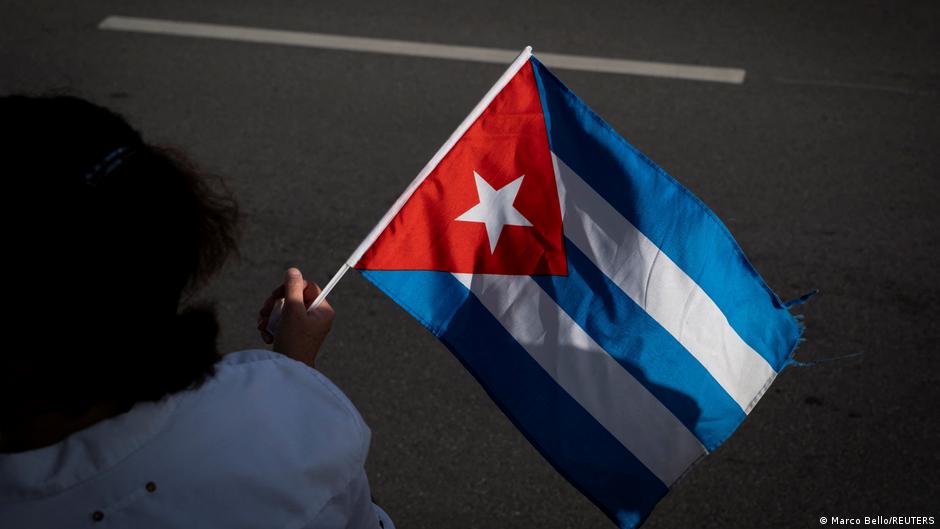
The United States has significantly intensified its diplomatic and legal pressure on Cuba, marking a sharp escalation in the bilateral standoff. The US Department of Justice announced the indictment of former President Raul Castro for his alleged role in the 1996 downing of two US civilian planes by Cuban air force fighter jets. The 94-year-old former defence minister is charged in connection with the incident, which has long been a focal point of US-Cuban tensions.
President Donald Trump signalled a potential shift in US policy regarding the Caribbean island, suggesting that he may be the administration to intervene and alter Cuba’s communist system. Speaking to reporters, Trump noted that while previous US presidents had considered intervention, "it looks like I'll be the one that does it." However, he denied that the recent deployment of the USS Nimitz and its escort warships to the Caribbean for maritime exercises was intended to intimidate Havana.
Secretary of State Marco Rubio, whose family background includes Cuban immigration, reinforced the administration’s hardline stance. He described Cuba as a national security threat due to its security and intelligence ties with China and Russia. While Rubio stated that Washington preferred a diplomatic solution, he warned that the chances of a negotiated settlement with the current communist government were "not high." He emphasised that the Cuban leadership would not be able to "wait us out or buy time," adding that President Trump retains the option to take whatever measures are necessary to protect national interests.
In a move targeting the military-run conglomerate GAESA, the US detained Adys Lastres Morera, the sister of a senior executive at the state-owned enterprise, after revoking her US green card. Rubio had previously accused GAESA of enriching the country’s elites while ordinary citizens suffer, characterising the organisation as a "state within a state." This legal action coincides with broader sanctions imposed by the US Treasury against Cuba’s main intelligence agency and several top Communist Party officials and generals.
Cuban President Miguel Diaz-Canel condemned the indictment and other US measures as a political stunt designed to justify aggression against the island. He warned of a "bloodbath" in the event of a US attack, asserting Havana’s right to self-defence. The escalation occurs against a backdrop of severe internal crisis in Cuba, where the population is enduring daily blackouts lasting up to 20 hours, severe water shortages, runaway inflation, and piled-up trash in Havana. China and Russia have both criticised the US actions, while experts note that the strategy mirrors the playbook used by the Trump administration during the capture of Venezuelan President Nicolas Maduro in early January.