US designation of Brazilian gangs sparks sovereignty row
The Trump administration’s move to label two major criminal networks as foreign terrorist organisations has escalated diplomatic tensions with Brazil, despite a recent agreement on drug trafficking cooperation.
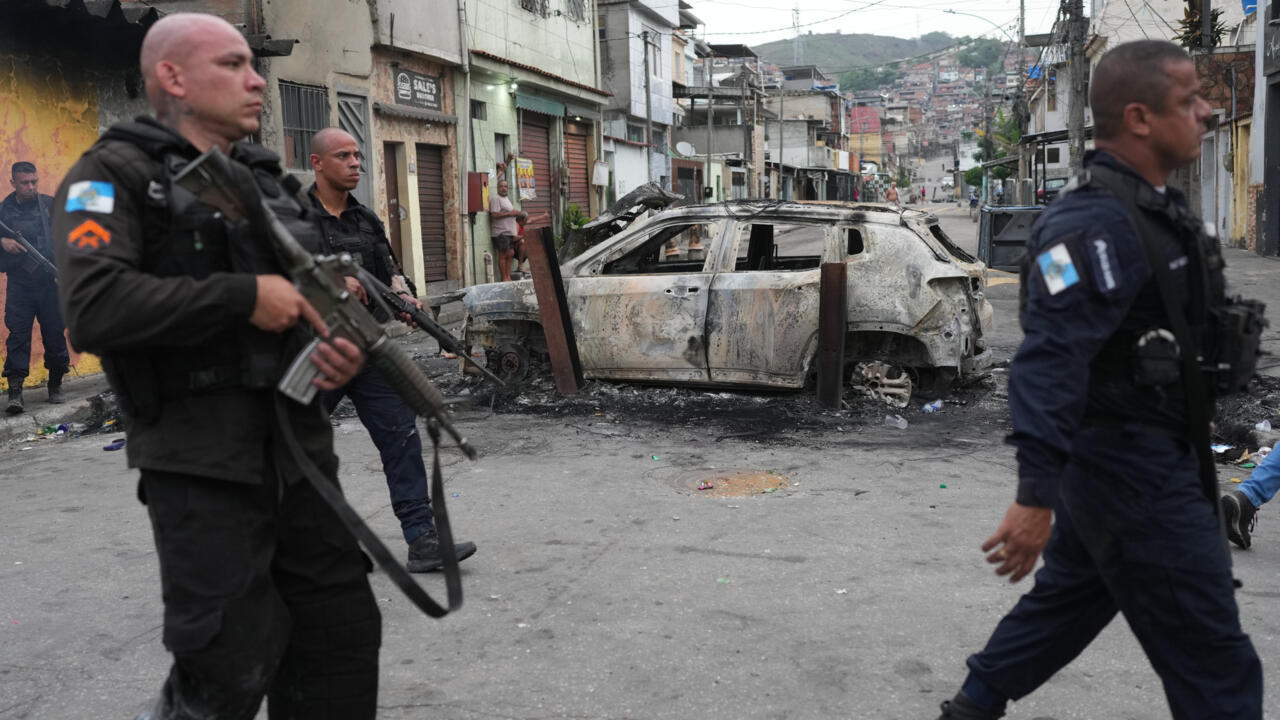
The United States has formally designated Brazil’s two largest criminal networks, the Red Command (CV) and the First Capital Command (PCC), as terrorist organisations, a move that has immediately strained diplomatic relations with the Brazilian government. US Secretary of State Marco Rubio confirmed the classification on Thursday, stating that the groups operate transnational criminal networks and pose a significant security threat extending beyond South America.
Under the International Emergency Economic Powers Act, the groups were initially categorised as "Specially Designated Global Terrorists." This status allows the US Treasury Department to impose sanctions on their leaders and associates. However, the designation is set to escalate on June 5, 2026, when the groups will be reclassified as "Foreign Terrorist Organisations," a status that carries more severe legal consequences and equates the criminal groups with entities such as al-Qaeda or the Islamic State.
The decision has drawn sharp criticism from President Luiz Inacio Lula da Silva, who argues that the classification infringes on national sovereignty and mischaracterises the nature of the organisations. While the Brazilian government acknowledges the violence perpetrated by the CV and PCC, it maintains that these groups should not be equated with terrorist organisations seeking to endanger the state. The designation follows a meeting earlier in the month between President Lula and US President Donald Trump in Washington, where both nations signed an agreement to combat arms and drug trafficking.
Political divisions within Brazil are evident in the response to the US move. While President Lula opposes the designation, his main electoral rival, conservative Flavio Bolsonaro, has expressed support for the US decision. Bolsonaro, who met with President Trump earlier this week, had previously urged the US to classify the crime groups as terrorists. This divergence highlights the broader geopolitical friction, as centre-left governments in Mexico and Brazil have voiced opposition to the policy, while right-leaning administrations in countries like Ecuador and Honduras have supported it.
The Trump administration views the terrorist label as a necessary legal mechanism to enable broader law enforcement, intelligence, and counterinsurgency actions against the groups and their assets worldwide. This approach aligns with a strategy that treats the influx of drugs and criminals from Latin America and the Caribbean as a national security threat comparable to traditional terrorist organisations. The designation comes as violence remains the top concern for Brazilian voters ahead of the general election in October, with recent polling indicating that President Lula leads his rival but lacks an absolute majority.