US Department of Energy initiates transfer of 53.3 million barrels from strategic reserves under IEA framework
Nine major firms awarded contracts to replenish supply following March agreement to release historic global stockpiles
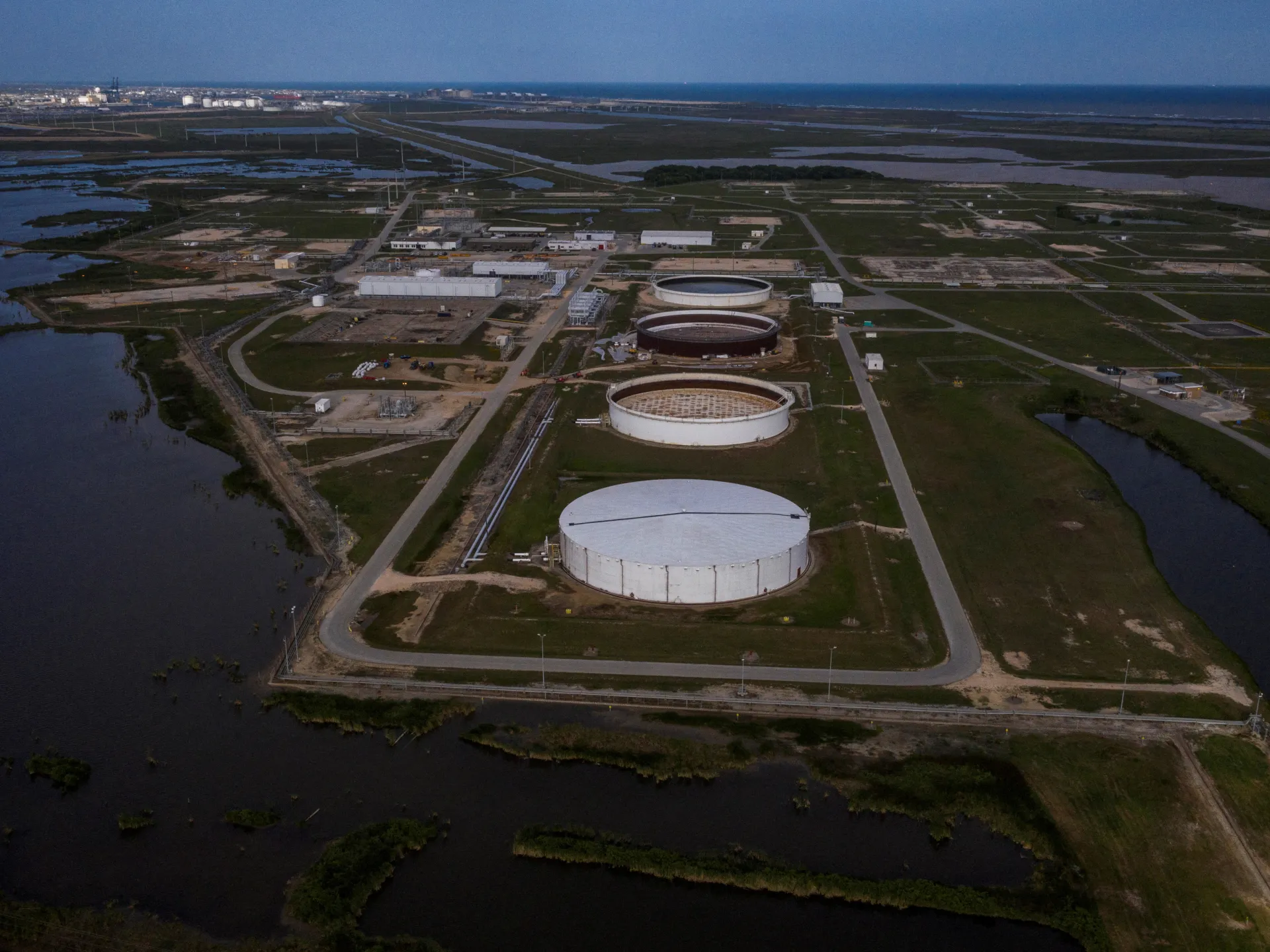
The US Department of Energy has commenced the transfer of 53.3 million barrels from the Strategic Petroleum Reserve to nine private entities under an emergency exchange programme coordinated with the International Energy Agency. This operational move is designed to inject additional supply into the global market and stabilise prices following a sharp surge driven by the ongoing conflict between the United States and Israel against Iran. The geopolitical tensions have significantly disrupted shipping lanes through the Strait of Hormuz, impacting a critical trade route for global energy security.
The allocation of the released reserves has been distributed across nine companies, with Trafigura Trading LLC receiving the largest portion of nearly 13 million barrels. Marathon Petroleum Corporation and ExxonMobil are set to receive 12.4 million and 11.4 million barrels respectively, while the remaining six firms, including Macquarie Commodities and BP Products North America, will receive varying amounts between 1.05 million and 6.55 million barrels each. Under the terms of the exchange scheme, participating organisations are legally obligated to replenish the stockpile with new barrels at a later date to maintain the reserve's integrity.
This latest release follows a broader strategic commitment made in March by the administration of President Donald Trump to release a total of 172 million barrels of crude. That initial agreement was part of the International Energy Agency's coordination of the largest unloading of global stockpiles in history, aimed at mitigating the impact of the blockade imposed by Tehran. The current action serves as a continuation of this policy to address near-term supply needs and ensure the Strategic Petroleum Reserve remains robust through the return of premium barrels.
Market reaction to the announcement has been immediate, with futures for Brent crude rising by approximately one percent in Asian trading. The benchmark price topped $105 a barrel as traders assessed the impact of the increased supply against the backdrop of continued maritime disruptions. The surge in oil costs has been exacerbated by the paralysis of one of the world's most important trade routes, which currently disrupts about one-fifth of global oil trade flows.
While the Department of Energy focuses on the mechanics of the reserve release, the administration has also addressed domestic fiscal concerns regarding fuel costs. President Trump has pledged to waive the 18.4 cents-per-gallon federal tax on petrol to alleviate public discontent over rising prices. However, the implementation of such a waiver remains contingent upon legislative action, as the power to alter taxation lies with the US Congress rather than the executive branch alone.
Kyle Haustveit, head of the department's Hydrocarbons and Geothermal Energy Office, stated that these actions continue to move oil swiftly into the market to address supply deficits. The policy approach underscores a reliance on institutional mechanisms to manage volatility stemming from the conflict, which began in late February with retaliatory measures from Iran. As the situation evolves, the focus remains on balancing market stability with the long-term maintenance of national energy reserves.