US Democrats demand disclosure of Israel's nuclear arsenal amid war on Iran
The inquiry targets the Negev Nuclear Research Centre and seeks clarification on warhead counts, launchers, and any US assurances regarding nuclear use in the current conflict
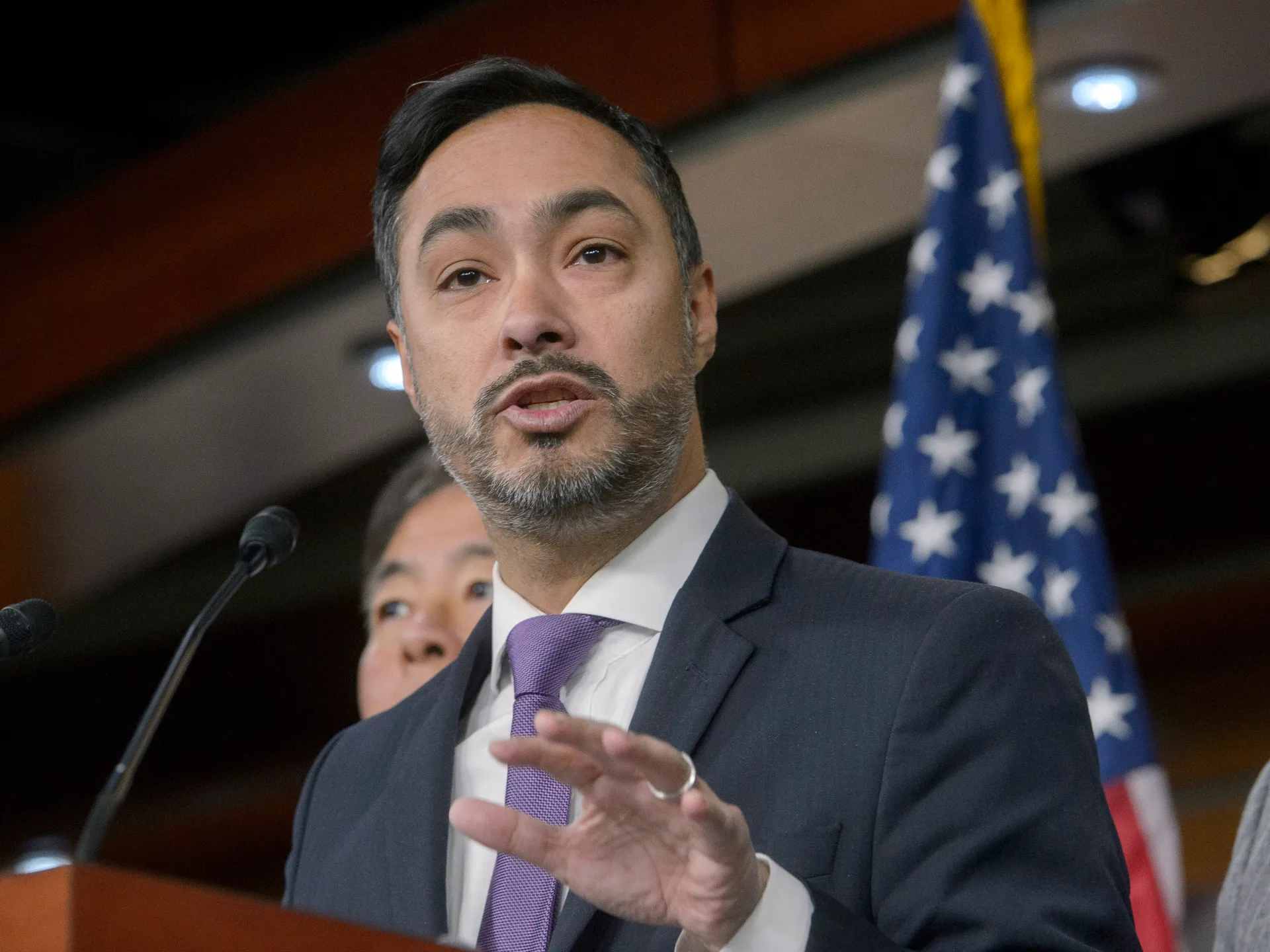
A coalition of thirty Democratic lawmakers in the United States Congress has formally requested that Secretary of State Marco Rubio disclose specific details regarding Israel's nuclear capabilities. The letter, delivered to the State Department on 4 May 2026, demands transparency on the number of warheads and launchers, as well as data on fissile material production. This coordinated effort marks a rare instance of concerted congressional pressure on a US administration concerning Israel's nuclear status.
The lawmakers argue that the current policy of official ambiguity heightens risks during the ongoing US-Israel war on Iran. In their correspondence, they contend that such opacity hinders coherent nonproliferation efforts and forces regional states to make critical decisions based on perceptions rather than verified facts. The letter explicitly questions whether the administration has received assurances from Israel that nuclear weapons will not be employed in the current conflict with Iran.
The inquiry specifically targets the Negev Nuclear Research Centre in Dimona, which is widely believed to be the core of Israel's nuclear programme. The lawmakers asked for clear information on enrichment levels and plutonium production, noting that Israel has maintained a policy of nuclear opacity since the 1960s without officially confirming its arsenal. They further queried whether Israel has articulated any nuclear doctrine or red lines to the US government in the context of the current hostilities.
This push for transparency contrasts with decades of bipartisan support for Israel, despite the country not being a signatory to the Treaty on the Non-Proliferation of Nuclear Weapons. The letter cites the public record, including unclassified US intelligence documents and historical testimony, as strong evidence that Israel possesses nuclear weapons. Former defence secretary nominee Robert Gates, for instance, publicly acknowledged Israel as a nuclear power during Senate testimony in 2006.
The request comes as lawmakers increasingly question Washington's close ties to Israel amid the war on Iran and the conflict in Gaza. While individual representatives have previously raised concerns, this represents a significant escalation in coordinated pressure. The letter emphasises that Congress has a constitutional responsibility to be fully informed about the nuclear balance in the Middle East to assess escalation risks and administrative planning.
The Nuclear Threat Initiative estimates that Israel possesses approximately 90 nuclear warheads and six nuclear-capable submarines, though these figures remain unconfirmed by the Israeli government. The lawmakers' letter seeks to bridge the gap between these external estimates and official government data, arguing that clarity is essential for managing the security dynamics of the region.