Israeli forces launch first strike on Beirut since April ceasefire
The attack represents a departure from the operational limits agreed upon eight months ago, raising immediate questions about the stability of the current peace accord.
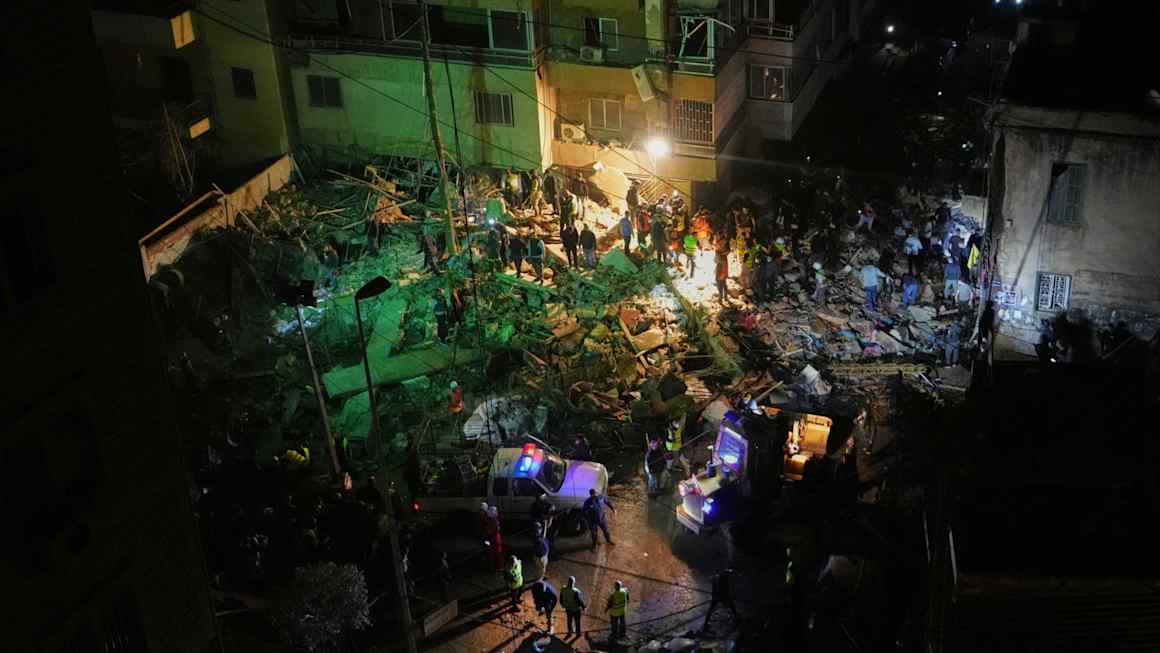
Israeli forces have launched an attack on Beirut, marking the first strike on the Lebanese capital since the ceasefire agreement took effect on 8 April. This development signals a sharp escalation in the conflict, moving military operations beyond the previously defined zones of engagement.
Prior to this incident, Israeli military activity was strictly confined to targeting locations in southern Lebanon. The shift in focus to the capital city constitutes a significant breach of the operational boundaries that had governed the cessation of hostilities for the past several months.
While the specific targets within Beirut and the precise timing of the strike remain undetailed in current reports, the nature of the escalation is clear. The resumption of direct attacks on the capital represents a fundamental change in the tactical approach adopted by Israeli forces since the truce began.
This breach of the ceasefire framework introduces new uncertainties regarding the longevity of the peace accord. Analysts and observers are now assessing the immediate strategic implications of this shift, noting that the previous pattern of restricted operations has been abandoned.
The Financial Times reports that while forces have continued to hit targets in the south, the addition of Beirut to the list of active zones marks a critical turning point. The lack of specific details regarding casualties or the scale of the strike leaves the full extent of the impact on the ground unclear at this stage.
As the situation develops, the focus remains on whether this single event will lead to a broader resumption of hostilities or if it represents an isolated incident. The international community watches closely to determine if the established rules of the April 8 ceasefire can be restored or if a new reality is emerging in the region.