US democratic erosion accelerates global rule-of-law decline, International IDEA warns
A new study finds nearly half of American democracy indicators at 50-year lows, straining multilateral institutions and increasing security risks worldwide.
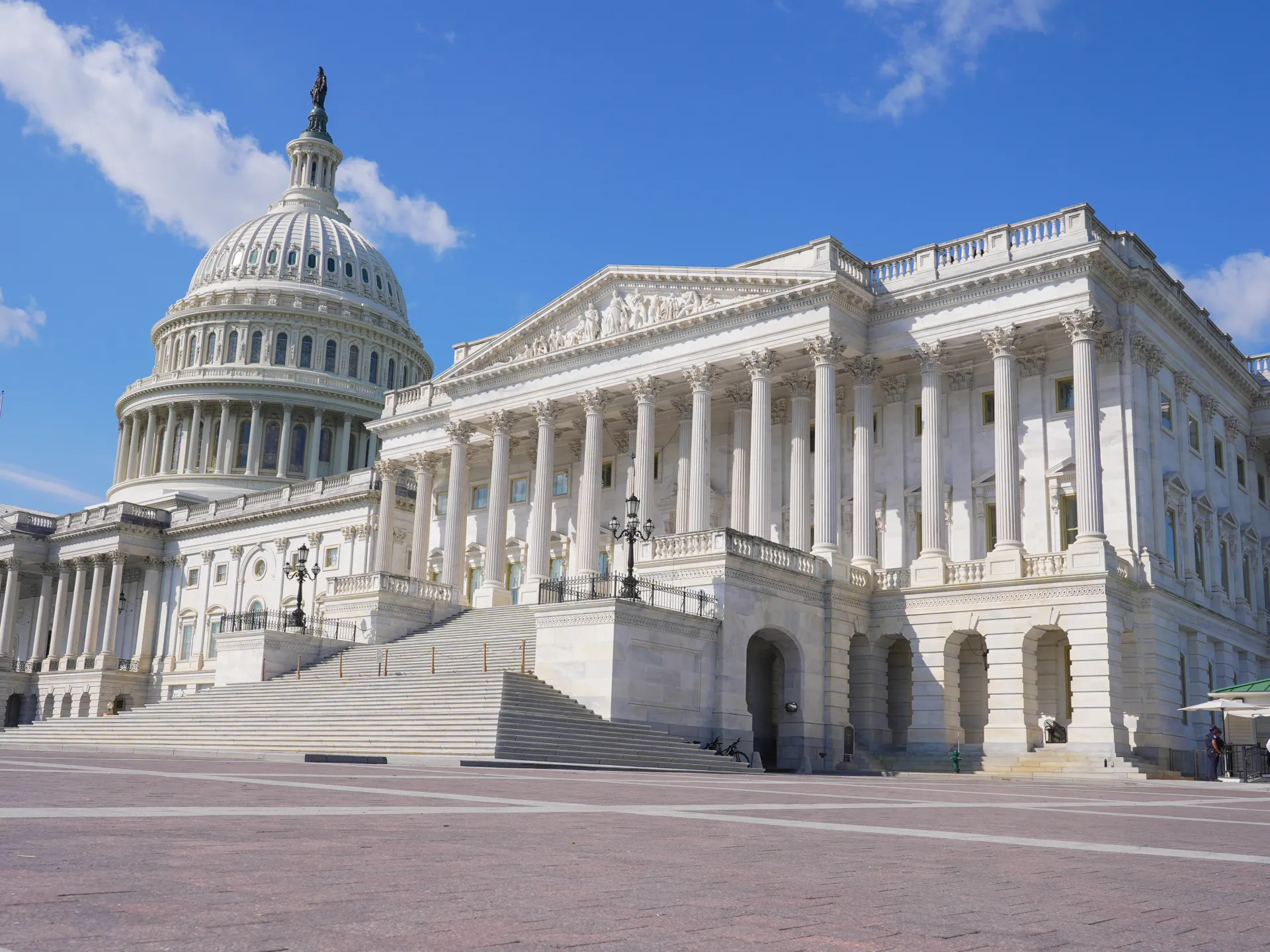
A new report by the International Institute for Democracy and Electoral Assistance (International IDEA) identifies the United States as the most prominent accelerator of global democratic decline. The study, released on Tuesday, indicates that nearly half of the indicators used to measure American democracy have fallen to their lowest levels in 50 years. International IDEA argues that this domestic erosion is having consequences far beyond the country’s borders, weakening the global rule of law.
The report records seven statistically significant declines in US democracy indicators between 2020 and 2025. These areas of decline include access to justice, freedom of expression, press freedom, and judicial independence. With the exception of free political parties, the other six indicators are now at their lowest levels in the dataset’s history. The study states that President Donald Trump quickly amassed power in the executive branch to pursue personal goals and retaliate against perceived enemies, creating an environment where resistance is increasingly unsafe.
Globally, the trends are equally concerning. Around 57 per cent of countries experienced a decline in at least one key indicator of democratic performance during the same period. Judicial independence has fallen to a 36-year low, while credible elections are at their lowest level in 30 years. International IDEA links these declines to heightened global-security risks, noting that 65 violent conflicts were recorded in 2025, including a record eight interstate conflicts.
The report singles out the US due to its outsized global influence, arguing that its retreat from democratic norms has strained multilateral institutions and emboldened authoritarian leaders elsewhere. It cites Brazil and Serbia as examples of these international effects. In Brazil, the aftermath of the 2022 election, where supporters of former President Jair Bolsonaro stormed government buildings, was described as echoing the aftermath of the 2020 US election. In Serbia, officials cited US claims of mismanagement at the United States Agency for International Development (USAID) to justify raids on civil society organisations.
Specific institutional pressures in the US are highlighted in the findings. On press freedom, the report cites cuts to funding for public broadcasters such as NPR and PBS, as well as lawsuits against media organisations including The New York Times, The Wall Street Journal, and the BBC. Universities have also faced pressure through executive measures affecting funding and academic freedom, with the report noting the withholding of federal funds from Harvard and Columbia.
The study describes the Trump administration’s use of the immigration system as the starkest example of declining access to justice. It points to 137 Venezuelans sent to El Salvador under the 1798 Alien Enemies Act, stating that many had little established connection to the Tren de Aragua gang and were denied the chance to properly challenge their removal in court.
International IDEA Secretary-General Kevin Casas-Zamora stated that the rapid decline of democracy in the USA is weakening judicial independence and fragmenting the international system. He warned that this trend is threatening democracy around the world, as the rule of law has historically underpinned the resilience of democracies both domestically and in the international order.