US Defence Secretary condemns Bolivian unrest as ‘narco-terrorist’ coup attempt
The Trump administration has thrown its weight behind Bolivian President Rodrigo Paz, framing domestic protests over economic policy as an external threat linked to criminal networks.
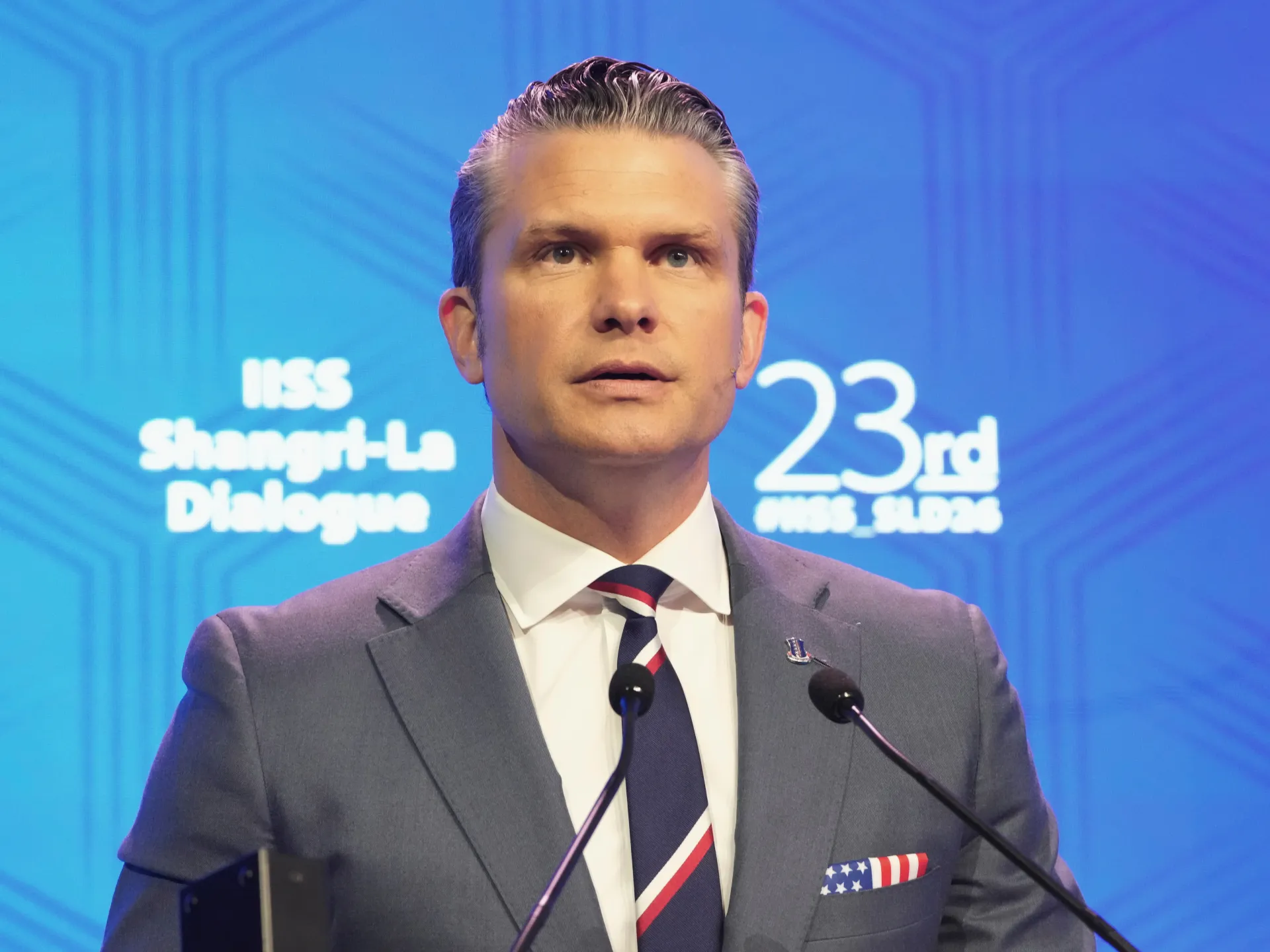
US Secretary of Defence Pete Hegseth has publicly characterised ongoing anti-government protests in Bolivia as an attempted coup, linking demonstrators to “narco-terrorists” and affirming Washington’s support for President Rodrigo Paz’s administration. In a social media post, Hegseth stated that the US military would “reject all attempts to overthrow the legitimate government,” framing the unrest not as domestic dissent but as a security threat to the Western Hemisphere.
The intervention underscores the Trump administration’s expanded security posture in Latin America. Since returning to the presidency in 2025, the administration has designated multiple Latin American criminal networks as terrorist organisations and established the Americas Counter Cartel Coalition (A3C) under the “Shield of the Americas” initiative. This coalition aims to coordinate security efforts among right-wing regional governments, with Bolivia joining as a member following a significant shift in foreign policy after severing ties with the US in 2008.
President Paz, who defeated the left-wing Movement for Socialism (MAS) in an October run-off, attended the A3C’s inaugural summit in March. His administration has sought to restore diplomatic relations with Washington, aligning with the US’s hardline stance on drug trafficking. However, this geopolitical alignment contrasts sharply with the turbulent domestic landscape Paz faces, where his government has been forced to revoke key policies amid widespread public discontent.
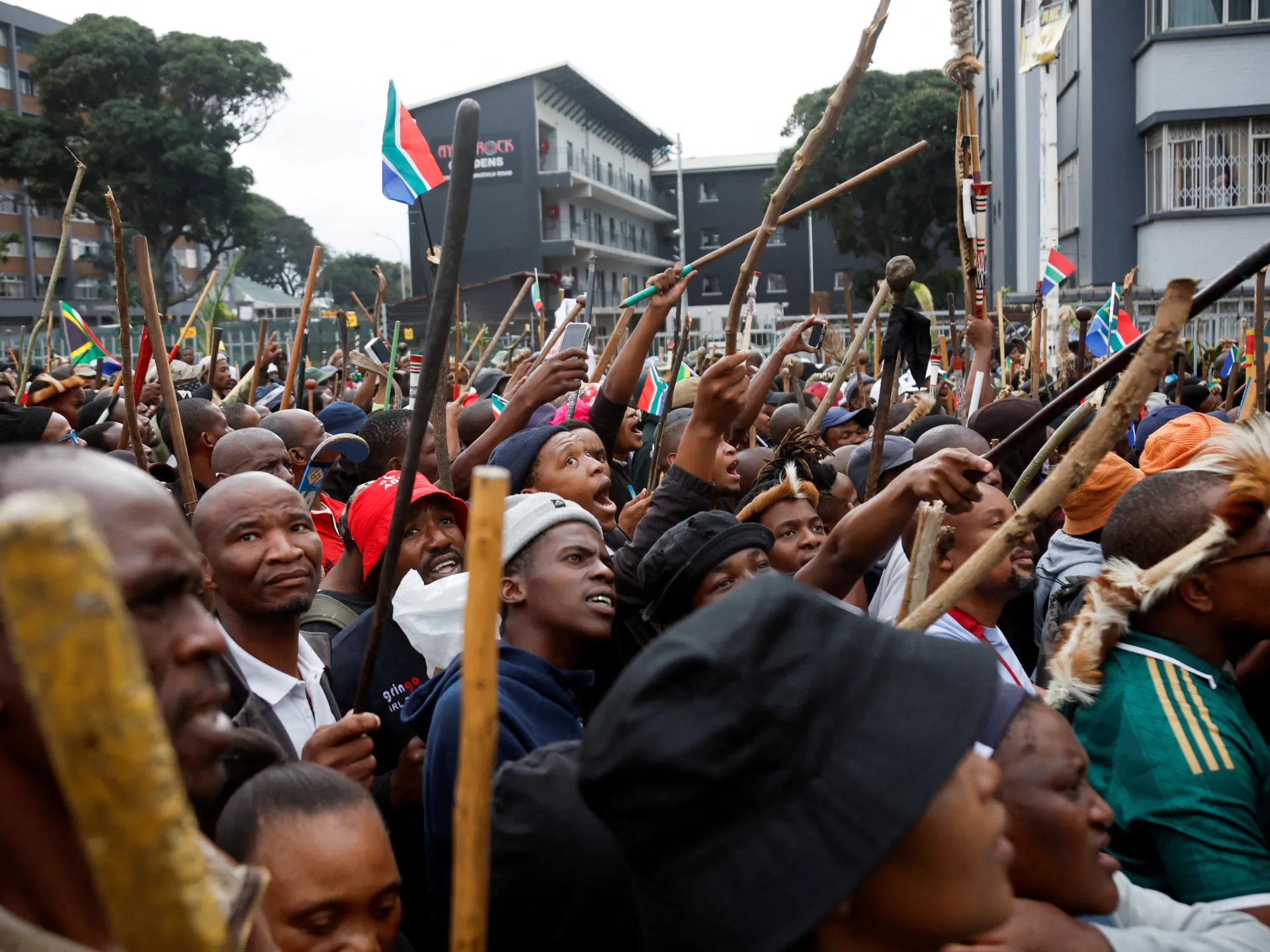
The unrest, which began in May, is driven by a combination of economic instability and controversial legislative changes. Demonstrators, including teachers, miners, farmers, and union workers, have blockaded roads in response to the removal of fuel subsidies, which spiked petrol prices, and the revocation of land reform law Ley 1720. Farmers feared the law’s repeal would facilitate the consolidation of small plots into larger holdings, threatening their livelihoods in a country where coca farming remains a powerful political force.
Bolivia’s legislature approved the deployment of the military against protesters on May 27 to clear blockades, but the unrest has persisted. In an effort to quell the crisis, Paz has reshuffled his cabinet and pledged a 50-percent pay cut. Despite these measures and calls for his resignation from some demonstrators, his administration has rejected the possibility of stepping down. Hegseth reiterated Washington’s commitment to its regional partners, stating that the US would continue to support A3C members like Bolivia to deter narco-terrorist influence in the region.