US declares end to Iran conflict as troop withdrawal from Germany ordered
Defence Secretary Hegseth directs removal of 5,000 personnel from Europe while administration rejects new Iranian negotiating terms
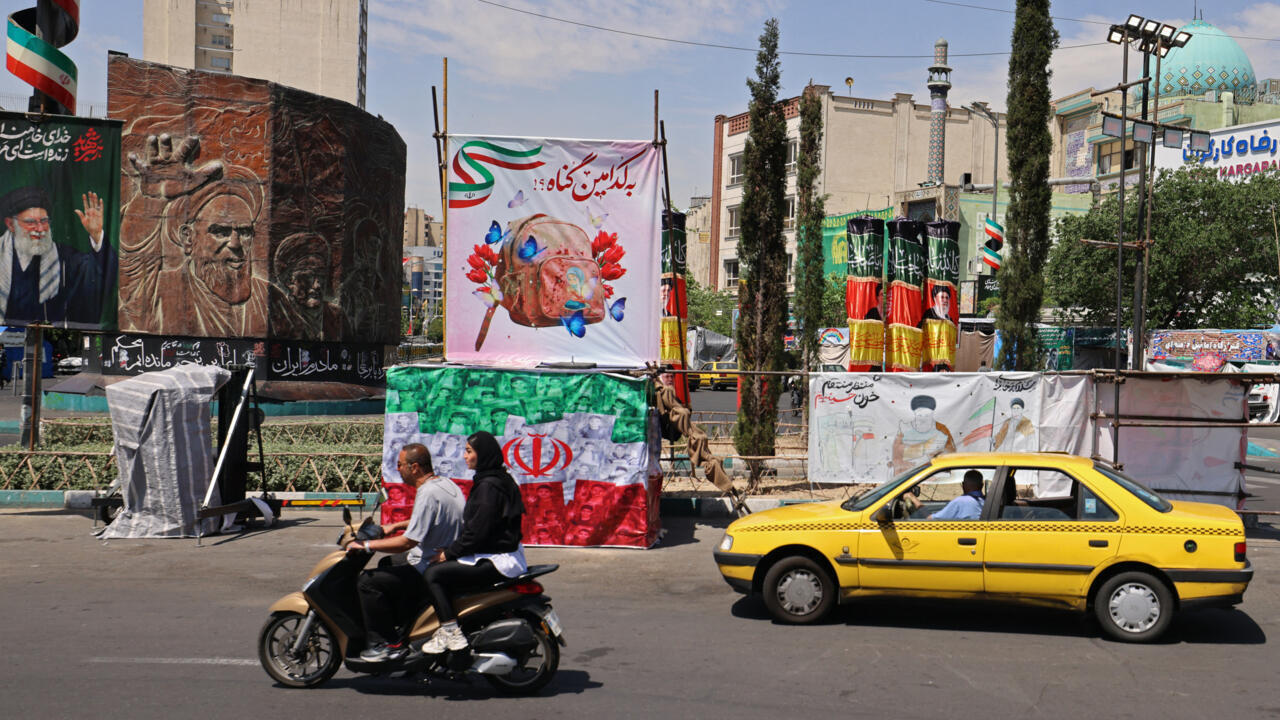
US President Donald Trump has formally notified Congress that hostilities between the United States and Iran have terminated, citing a ceasefire that has held since 7 April 2026. In letters addressed to House Speaker Mike Johnson and Senate president pro tempore Chuck Grassley, the President stated that no exchanges of fire have occurred since that date, marking the conclusion of the conflict which began on 28 February 2026. This declaration arrives after a 60-day window for securing congressional war authorisation expired without approval.
Concurrent with the announcement of the ceasefire, Defence Secretary Pete Hegseth has issued orders to withdraw approximately 5,000 US troops from Germany. Pentagon spokesman Sean Parnell confirmed that the reduction is expected to be completed within the next six to 12 months. The move represents a significant shift in the US military posture in Europe, following earlier indications from the President that Washington was studying possible reductions in its German footprint.
Despite the cessation of active fighting, diplomatic efforts remain stalled. The administration has expressed dissatisfaction with a new negotiating proposal submitted by Iran to mediator Pakistan, though the specific contents of the draft remain undisclosed. President Trump told reporters that he was not satisfied with the offer, alleging that the impasse is caused by tremendous discord within Iran's leadership. He emphasised a preference for diplomatic resolution over further kinetic action on human grounds.
The President also renewed public criticism of German Chancellor Friedrich Merz regarding the nation's stance on regional security. Trump accused the Chancellor of believing it is acceptable for Iran to possess nuclear weapons, a claim the administration frames as a misunderstanding of the threat landscape. This diplomatic friction underscores the ongoing tensions between Washington and Berlin as the US recalibrates its strategic commitments in light of the concluded conflict in the Middle East.
The formal notification to Congress highlights the administration's reliance on executive authority following the failure of legislative approval. By declaring the conflict terminated without a formal declaration of war from the legislature, the executive branch has effectively managed the end of the engagement through unilateral determination of the ceasefire status. This approach contrasts with the initial push for authorisation as the conflict entered its third month.
Security protocols remain under heightened scrutiny following a recent assassination attempt on President Trump at a press gala. This backdrop of increased security measures accompanies the broader geopolitical realignment, as the US seeks to redefine its engagement with both Iran and European allies in the post-conflict era.