US dash cam legality varies by state
While dash cams are legal nationwide, drivers face a complex patchwork of regulations that require careful navigation to avoid legal complications.
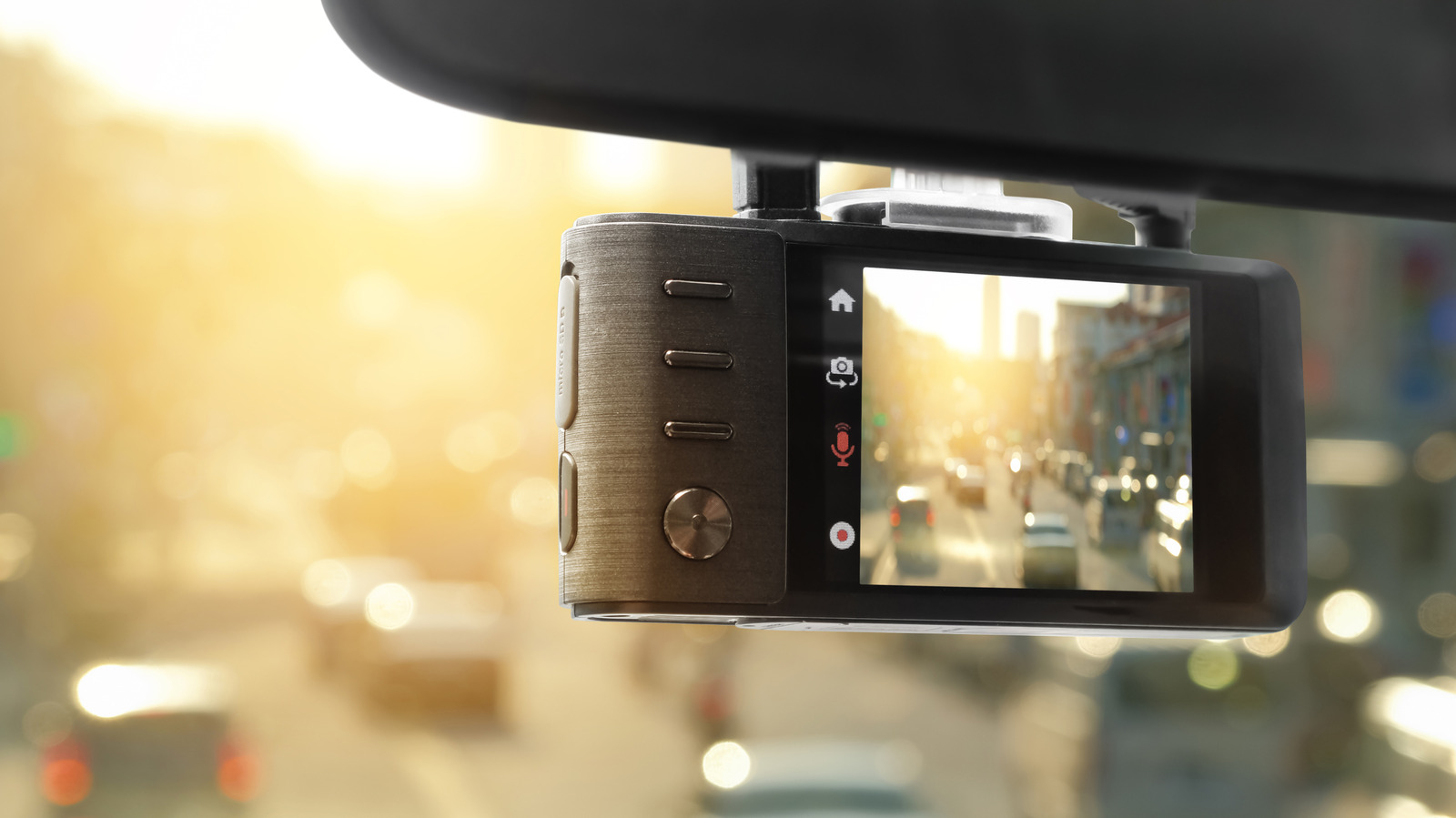
Dash cameras are legal in all 50 US states, but their usage is governed by a fragmented landscape of state-specific regulations rather than a single federal standard. According to a report by Engadget, while the devices are widely accepted for capturing objective evidence in accidents or fraud claims, compliance requires drivers to navigate varying rules on device placement, physical dimensions, and audio recording consent.
The most common regulatory hurdle concerns positioning, with states such as Alaska, Arizona, California, Florida, Hawaii, Illinois, Indiana, Iowa, Kansas, Kentucky, Maine, Maryland, Missouri, Nevada, North Carolina, Utah, and Vermont explicitly requiring that dash cams do not obstruct the driver’s view. Beyond this general principle, several jurisdictions impose precise mounting zones. California, for instance, mandates that devices be placed within a seven-inch square on the lower corner away from the driver, a five-inch square in the corner nearest to the driver, or a five-inch square in the upper-center. Illinois requires mounting in the bottom corner of the windshield on the passenger side.
In a stricter subset of states, windshield mounting is entirely prohibited. Alabama, Delaware, Louisiana, Pennsylvania, and Minnesota forbid any attachment to the windshield, necessitating dashboard placement. Pennsylvania and Minnesota ban all windshield mounting, regardless of obstruction. These restrictions are designed to maintain clear visibility and prevent devices from becoming projectiles in the event of a collision.
Device size is also regulated, with most states requiring dash cams to be smaller than five inches. Hawaii permits devices up to seven inches, while Indiana imposes a tighter limit of four square inches. Engadget suggests that drivers adhere to the strictest standards, such as California’s mounting requirements or Indiana’s size limits, to ensure compliance across all jurisdictions. Mounting the device behind the rearview mirror or on the dashboard is often cited as the safest approach to avoid visibility issues.
Audio recording laws present another layer of complexity. Thirteen states—California, Delaware, Florida, Illinois, Maryland, Massachusetts, Michigan, Montana, Nevada, New Hampshire, Oregon, Pennsylvania, and Washington—require all-party consent for audio recording. In these jurisdictions, recording conversations without the knowledge of every passenger is illegal. Other states, including New York, permit video recording but require at least one-party consent for audio, meaning the driver’s consent is sufficient.
Drivers are advised to consult their local Department of Motor Vehicles (DMV) rules before crossing state lines. Engadget recommends using the most stringent state laws as a benchmark for travel, potentially disabling audio recording when entering all-party consent states or ensuring all passengers are aware of recording. With proper preparation and adherence to these varied regulations, dash cams remain a valuable tool for safety and legal protection across the United States.