U.S. crude breaches $83 as Iran links Strait of Hormuz to reparations demand
Oil prices surged following President Donald Trump’s call for Iranian reparations, with Tehran refusing to reopen the strategic waterway until its conditions are met.
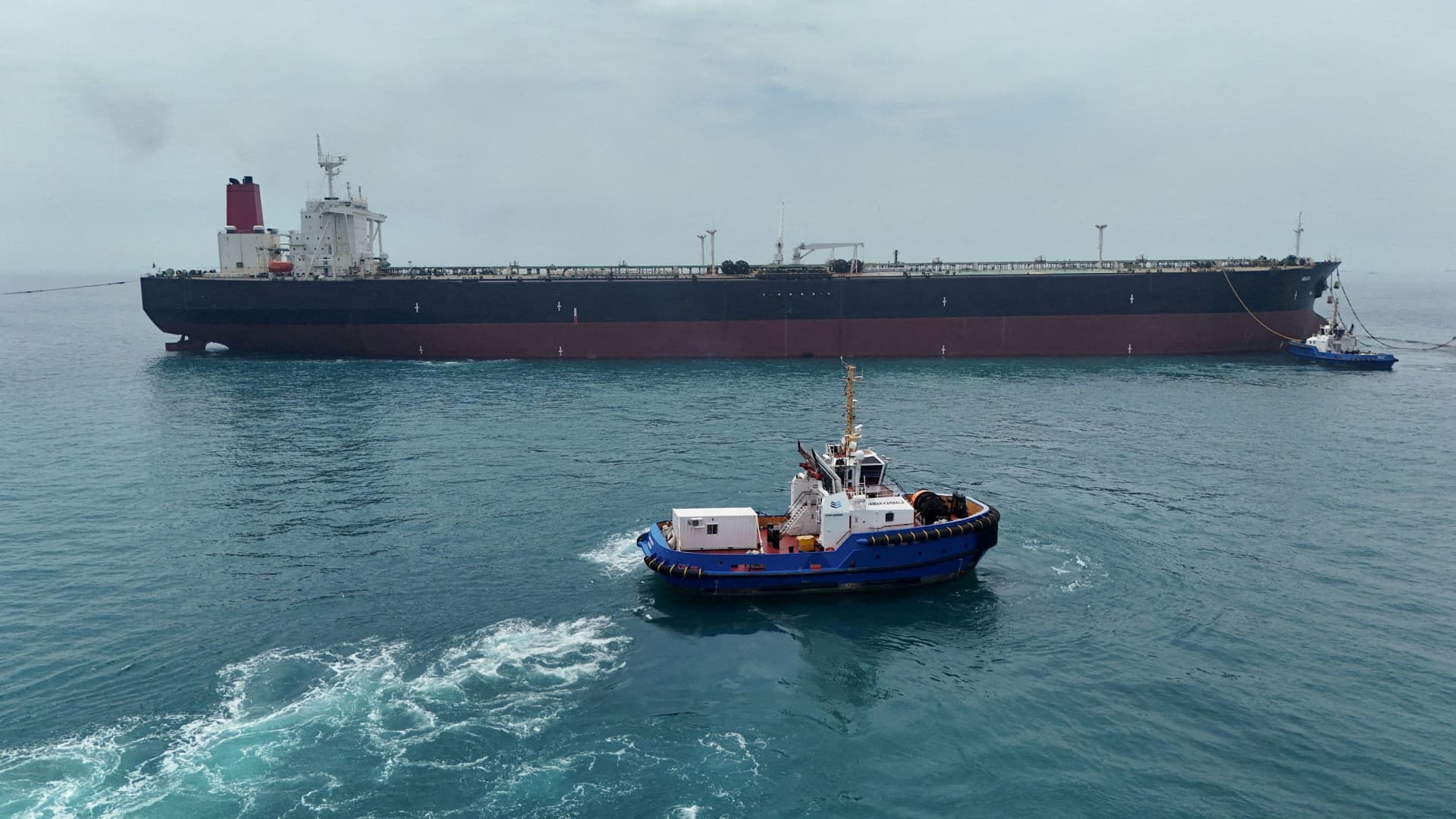
U.S. oil prices climbed above $83 a barrel on Tuesday, marking a significant intraday jump of up to 3 per cent. The surge in energy markets followed a direct demand from President Donald Trump that Iran pay reparations to the United States, intensifying scrutiny on the region’s stability and supply chains.
The price movement coincided with a firm stance from Tehran regarding the Strait of Hormuz, a critical chokepoint for global energy trade. Iranian authorities stated that the waterway would not reopen until its specific conditions were satisfied, raising concerns among traders about potential disruptions to crude exports from the Middle East.
According to reporting by CNBC, the market’s reaction was driven by the sequence of diplomatic and military developments. President Trump’s demand for reparations preceded the sharp rise in oil benchmarks, suggesting that investors are pricing in the risk of prolonged geopolitical friction.
The tension is set against a backdrop of ongoing military operations, including the 12th consecutive night of U.S. airstrikes on Iranian military assets. U.S. Central Command has confirmed the conclusion of recent strikes targeting Iranian maritime and coastal surveillance capabilities, further complicating the security landscape in the region.
While the immediate catalyst for the price spike was the reparations demand and the Strait of Hormuz standoff, broader regional risks remain elevated. Recent reports indicate Houthi attacks on Saudi oil tankers in the Red Sea, citing a naval blockade, which adds another layer of complexity to global energy logistics.