US Court Invalidates Global Tariffs Under Trade Act of 1974
In a 2-1 decision issued on 7 May 2026, the United States Court of International Trade determined that the administration's justification for the tariffs was legally insufficient.
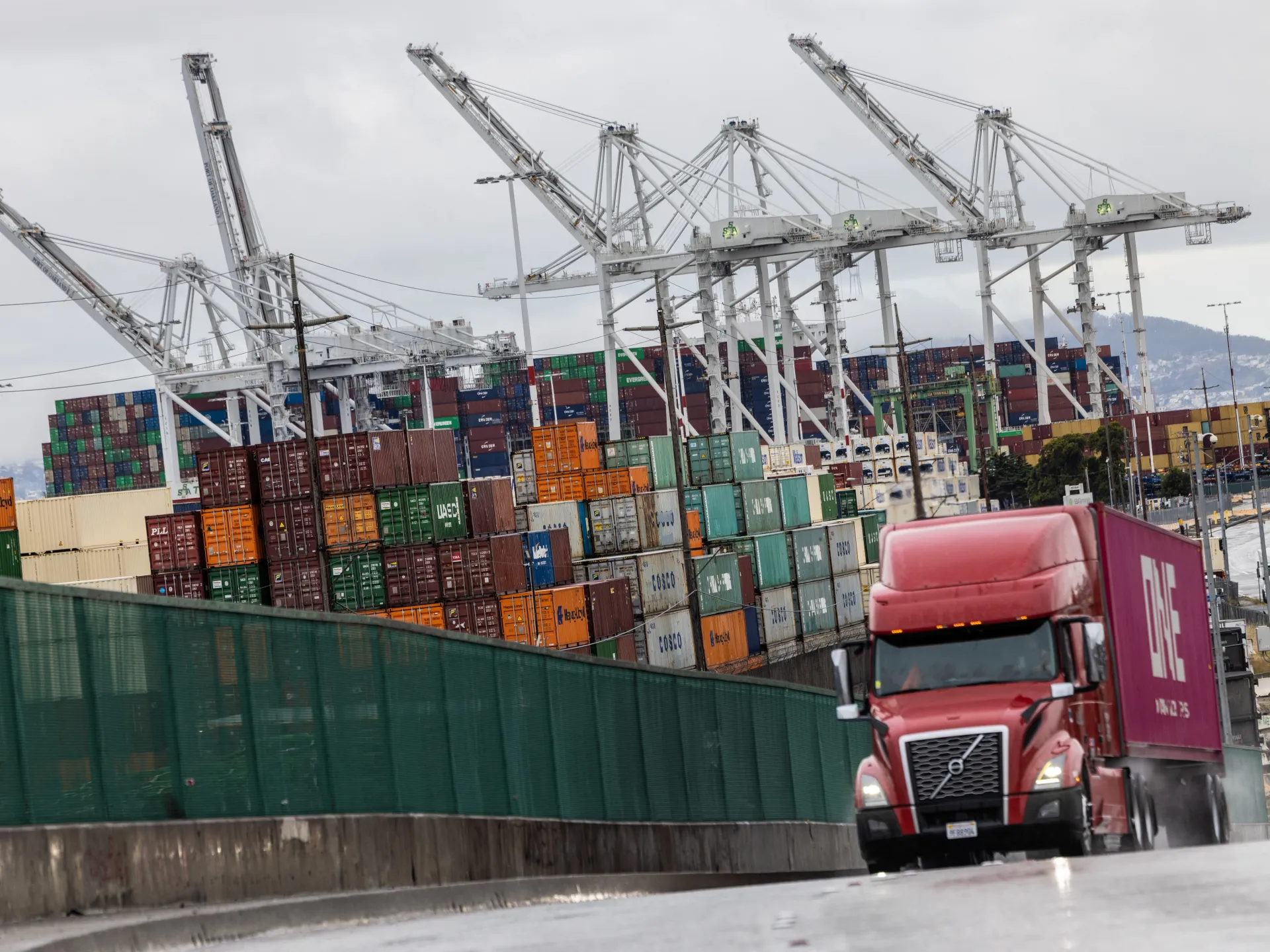
The United States Court of International Trade has ruled against President Donald Trump's 10 per cent global tariffs, determining that the across-the-board duties were not justified under the Trade Act of 1974. The 2-1 decision, made on Thursday, 7 May 2026, favoured small businesses that challenged the tariffs which took effect on 24 February.
The court found that the law was not an appropriate step for the trade deficits cited by the administration. While the Trump administration argued a serious balance-of-payments deficit existed, the court concluded the tariffs exceeded the President's authority. The ruling specifically addressed the use of Section 122 of the Trade Act of 1974, which allows for duties to correct balance of payments deficits or head off currency depreciation.
The legal challenge was grounded in the argument that the new tariffs were an attempt to sidestep a landmark Supreme Court decision regarding 2025 tariffs. Previous context indicates uncertainty regarding the exact magnitude of tariffs intended for the EU, with a Supreme Court ruling in February limiting the administration's ability to declare an economic emergency for initial 15 per cent tariffs.
One judge dissented from the majority view, stating it was premature to grant victory to the small business plaintiffs. Despite this dissent, the majority upheld the challenge, finding that the cited deficits did not warrant the use of the specific trade act provisions invoked by the administration.
Jay Foreman, CEO of toymaker Basic Fun!, stated the ruling brings needed clarity and stability for companies navigating global supply chains. The decision was supported by small businesses who argued the tariffs made it harder for them to compete and grow, noting that unlawful duties create instability for firms relying on global manufacturing.
The administration had cited a $1.2 trillion annual US goods trade deficit and a current account deficit of 4 per cent of GDP as evidence of a crisis. However, the court's determination that these figures did not justify the specific legal mechanism used leaves the policy framework in question regarding future trade measures.