US Congress advances Section 224 to institutionalise military integration with Israel
The proposed provision within the 2027 National Defence Authorisation Act seeks to embed bilateral defence technology cooperation into US national security policy, drawing criticism from legislators who warn of reduced political oversight and leverage.
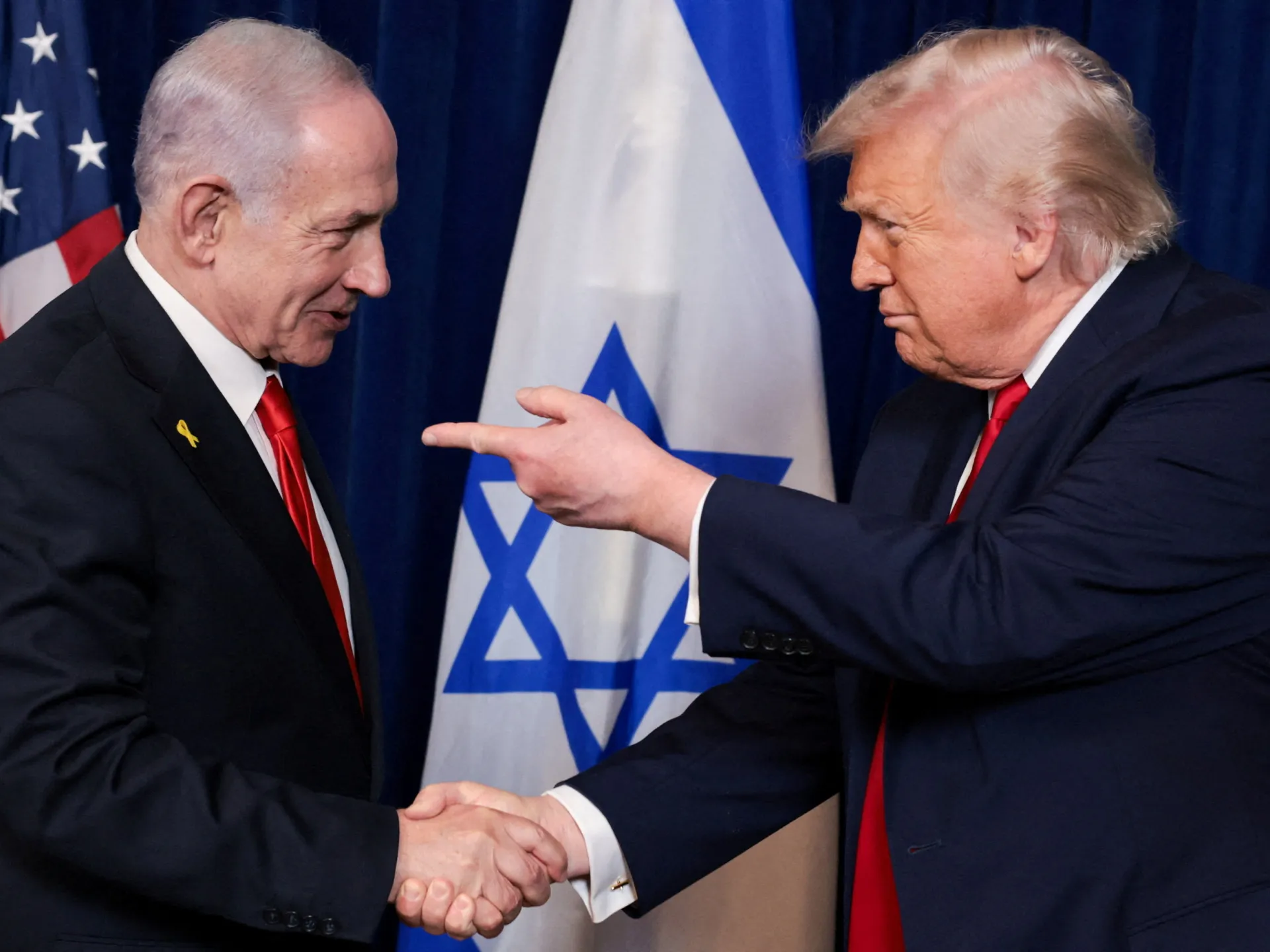
Lawmakers in the United States are advancing Section 224 of the 2027 National Defence Authorisation Act, a provision designed to institutionalise military cooperation with Israel. Titled the United States-Israel Defence Technology Cooperation Initiative, the measure would require the US defence secretary to appoint an official tasked with synchronising bilateral efforts in defence technology research, development, and industrial cooperation. The legislation incorporates elements from the previously stalled US-Israel Future of Warfare Act, introduced by Representative Ronny Jackson, signalling a shift from ad hoc aid towards deeper structural integration.
The provision identifies priority areas for cooperation that include counter-unmanned systems, anti-tunnelling technologies, missile and air defence, artificial intelligence, quantum machine learning, autonomous systems, cyber defence, and biotechnology. Analysts note that the inclusion of network integration and data fusion suggests a significantly closer alignment of military information systems. This move aims to weave Israeli military interests more deeply into the fabric of US national security policy, potentially creating a structural lock-in that limits political oversight and reduces US leverage over Israel.
Critics argue that the proposal would make support for Israel less a matter of political choice and more a permanent feature of US defence infrastructure. Mark Hilborne, a senior lecturer at the School of Security Studies at King’s College London, stated that the initiative points to a tighter integration focused on jointly developing emerging technologies rather than simple weapons transfers. He warned that such long development cycles could entrench the relationship, surviving changes in administration and potentially emboldening Israeli policies by reducing Washington’s ability to withhold specific capabilities.
The legislative push occurs against a backdrop of fractured public support for unconditional military aid. Recent polls indicate significant scepticism, with a New York Times poll showing 64 percent of respondents believed military strikes against Iran were the wrong decision. An Institute for Global Affairs poll found that only 16 percent of Americans support continuing weapons transfers to Israel without restrictions. Opposition has emerged from within the Republican Party, including former Representative Marjorie Taylor Greene and Representative Thomas Massie, who has pledged to seek the removal of the provision from the House floor.
Beyond the bilateral relationship, some experts view the proposal as a potential next phase of the Abraham Accords, establishing a US-backed regional security regime centred on Israel. Imad Salamey, an international relations professor at the Lebanese American University, suggested the framework could strengthen efforts to contain Iran and deepen security cooperation with Arab partners. However, analysts caution that enhanced integration could provide Israeli forces with more effective surveillance and targeting technologies, raising concerns about the implications for Palestinians in Gaza and the West Bank.