US completes ninth day of strikes on Iran as Hormuz shipping crisis deepens
Washington reaffirms commitment to degrading Iranian capabilities while Tehran retaliates against US assets in Bahrain, Kuwait, and Jordan, disrupting vital energy transit routes.
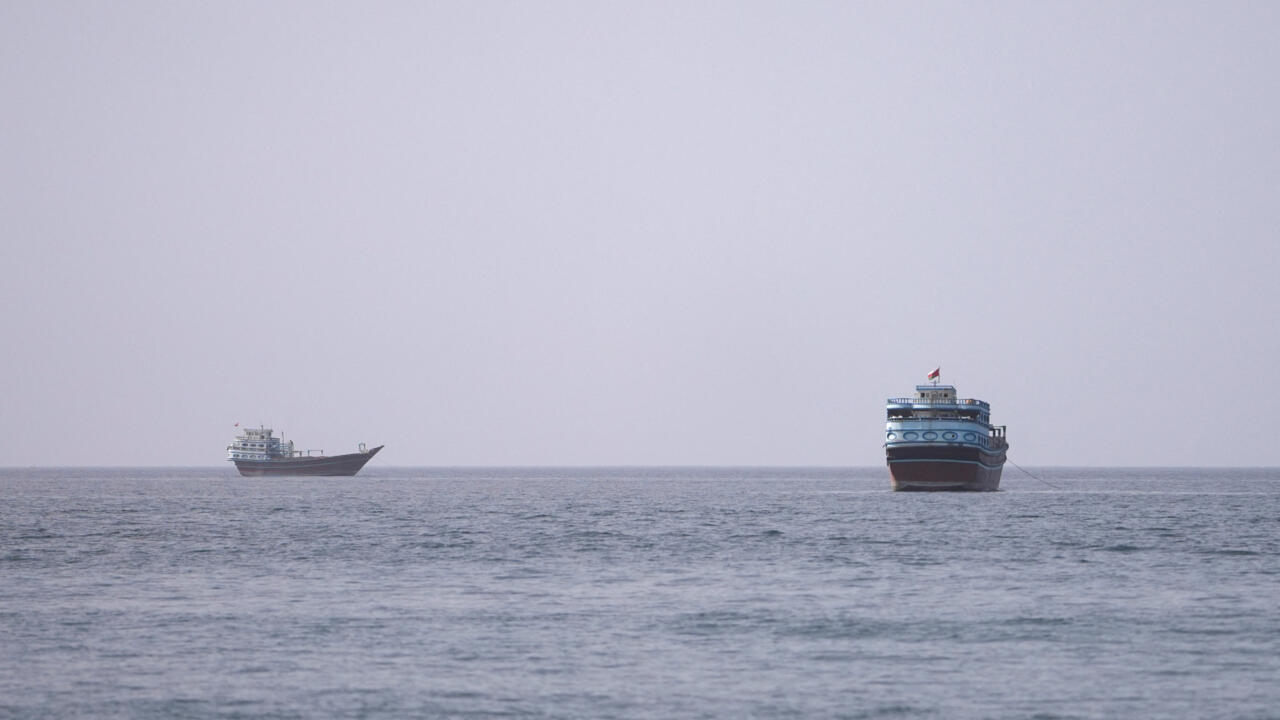
The United States concluded a ninth consecutive wave of strikes against Iranian military infrastructure on Monday, intensifying a conflict that has severely disrupted commercial shipping in the Strait of Hormuz. US Central Command confirmed the operations targeted Iranian command centres, air defence systems, and maritime capabilities, aiming to degrade Tehran’s ability to attack global vessels. The escalation coincides with rising oil prices, which climbed 2 per cent to exceed $90 a barrel, and a sharp decline in maritime transit through the strategic waterway.
Iranian forces launched retaliatory strikes across multiple fronts, targeting US military assets in Bahrain, Kuwait, and Jordan. The Islamic Revolutionary Guard Corps claimed to have destroyed a US early-warning radar system in Kuwait and damaged aircraft at Ali Al Salem Air Base and Aqaba Airport using ballistic missiles. Bahrain’s interior ministry reported sirens sounding as the country, home to the US Navy’s 5th Fleet, came under fire, while Kuwait confirmed hostile drones were intercepted during an attack that also damaged a desalination plant for a second consecutive day.
The conflict, which began on 28 February following initial US and Israeli attacks on Iranian nuclear and missile programmes, has now resulted in 17 US military deaths and over 420 wounded. The latest fatalities include a service member killed in northern Iraq during the controlled detonation of unexploded ordnance from a downed drone, and two others previously reported dead or missing in Jordan. Central Command stated that unidentified remains found at the Jordanian attack site are undergoing verification.
Tensions over the Strait of Hormuz have escalated significantly, with the Revolutionary Guard claiming responsibility for explosions involving two oil tankers. The Guard alleged the vessels were encouraged by the US to use an unsafe southern route, though Reuters could not immediately verify the incident. Data from LSEG indicated that only four vessels transited the strait on Sunday, down from eight the previous day, underscoring the growing risk to energy supplies.
US Secretary of State Marco Rubio reiterated Washington’s stance that military operations would continue as long as Iran attacks commercial shipping. “As long as Iran insists on controlling an international waterway, we're gonna have to respond to that,” Rubio said, while maintaining that the United States remains open to a diplomatic solution. The breakdown of an interim ceasefire agreement a month ago has deepened the struggle for control over the region’s vital shipping lanes, raising fears of broader regional instability and global inflation.