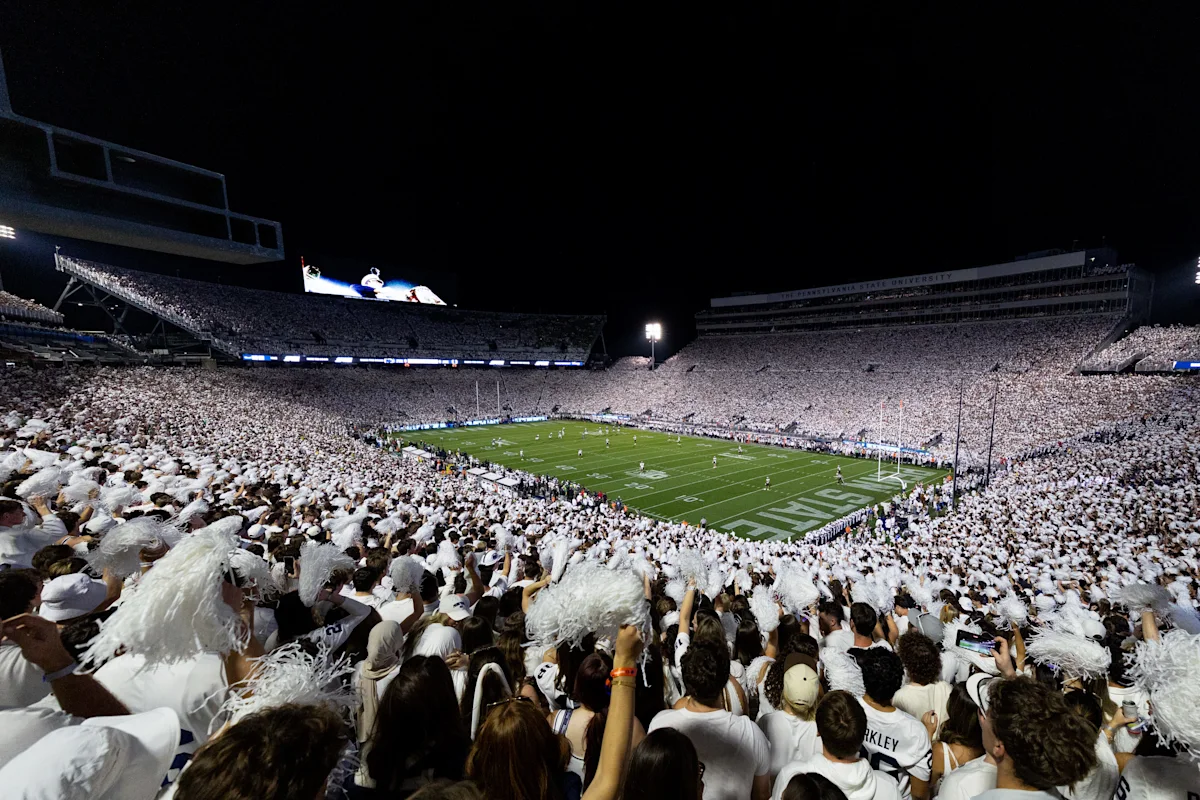
US College Sports Bill Amendments Proposed Amidst SEC and Big Ten Objections
Proposed edits to the Protect College Sports Act would cap major conferences at 20 teams and impose a five-year waiting period for league switches, while the SEC and Big Ten demand revisions to media-pooling and litigation provisions.
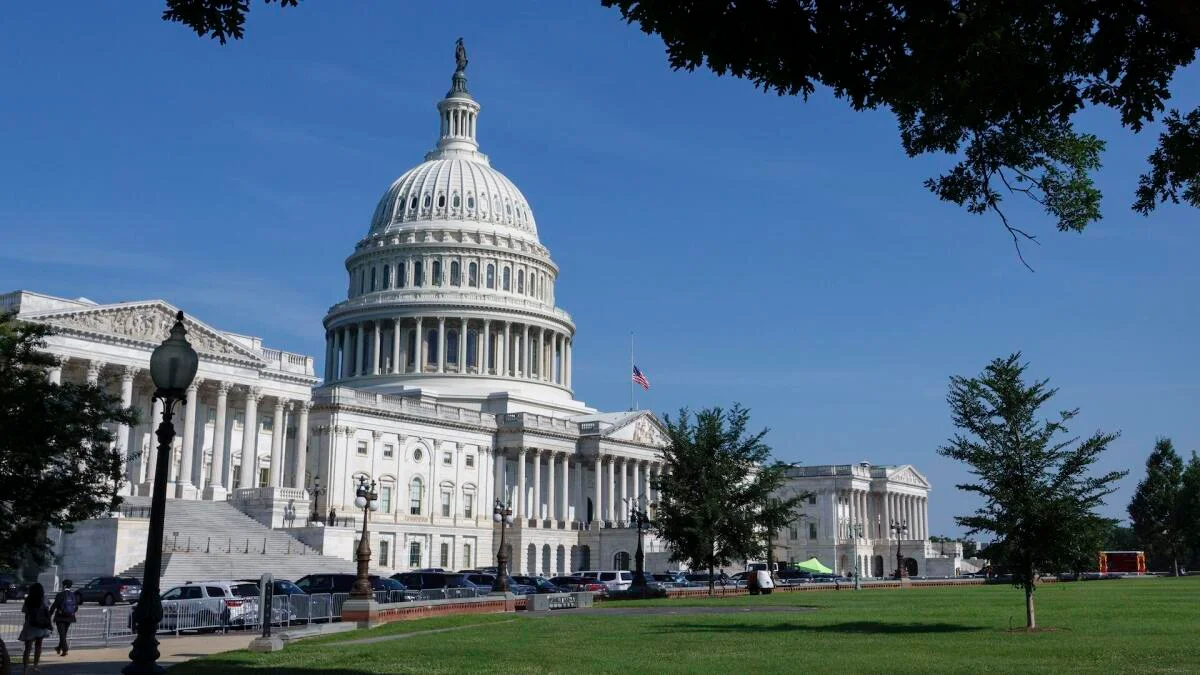
Negotiators are currently discussing proposed amendments to the Protect College Sports Act, a bipartisan bill drafted by Senators Ted Cruz and Maria Cantwell, that would impose structural limits on conference expansion while creating a regulated pathway for schools to switch leagues. Under the revised language, Power Four conferences would be capped at 19 or 20 teams, with Republicans specifically proposing a 20-team limit. The updates also prohibit any conference generating $700 million or more in annual revenue from merging with, acquiring, or absorbing another conference or its membership.
The proposed framework introduces a structured transition process for institutions seeking to change conferences. Any Power Four program wishing to switch leagues would be required to spend at least five years as an independent before joining a new conference. This waiting period is designed to limit rapid structural shifts in college athletics, though exceptions have been granted for Notre Dame and UConn, allowing them to join a Power Four conference immediately despite their independent status.
The SEC and Big Ten have formally objected to the bill’s current text, particularly regarding media-pooling and private right of action provisions. SEC Commissioner Greg Sankey stated that the conference has submitted 10 suggestions to strengthen antitrust and preemption language, arguing that the current media-pooling clause in Title II could expose member institutions to lawsuits that might force them into a pooling structure against their will. Sankey warned that the provision could effectively compel conferences to play only non-pooling entities in the postseason.
Both conferences have also raised concerns about the private right of action provision, which would allow athletes to sue schools over violations of name, image, and likeness rights, health and safety standards, and scholarship protections. The SEC and Big Ten argue that this provision is too broad and could trigger a wave of litigation against member institutions. Sankey described the current bill as failing to provide a national solution, noting that conflicting state laws are already creating competitive disparities based on geographic borders.
The Protect College Sports Act passed the Senate Commerce Committee last month on a 19-9 bipartisan vote and has secured support from 24 conferences, 267 institutions, and the NFL. However, the legislation faces uncertainty ahead of a potential Senate floor vote later this month, as the SEC and Big Ten have refused to back the bill in its current form. With Congress scheduled to enter summer recess in August, legislative progress is expected to slow, making the upcoming weeks critical for reaching a compromise.