US clarifies AI chip export ban extends to Chinese subsidiaries overseas
Commerce Department confirms licensing requirements apply to all businesses with parent companies in the People’s Republic of China, regardless of subsidiary location.
The United States Department of Commerce has issued formal guidance confirming that restrictions on advanced artificial intelligence chip shipments apply to subsidiaries of Chinese companies located outside of China. The Bureau of Industry and Security (BIS) stated that licensing requirements extend to all businesses with headquarters or a parent company in the People’s Republic of China, addressing longstanding concerns about loopholes in the export control regime.
The clarification was issued in response to questions regarding the enforcement of preexisting licence requirements after the Trump administration scrapped the Biden-era Framework for Artificial Intelligence Diffusion. Unveiled in the final days of the previous administration, the framework had proposed a global licensing regime with export caps for all but the closest US allies. The Trump administration overturned the framework last May, citing burdensome regulatory requirements and potential harm to diplomatic relations.
Chris McGuire, a former State Department official who worked on technology policy during the Biden administration, accused the current administration of inadvertently providing a loophole that allowed Chinese companies to purchase export-controlled chips at scale. McGuire noted that because the BIS had not updated regulations to clearly state what was being enforced, such purchases had been legal. He argued that the new guidance makes Blackwell shipments to China-headquartered companies outside of China illegal again, though he acknowledged that shipments made under the previous interpretation do not need to be halted.
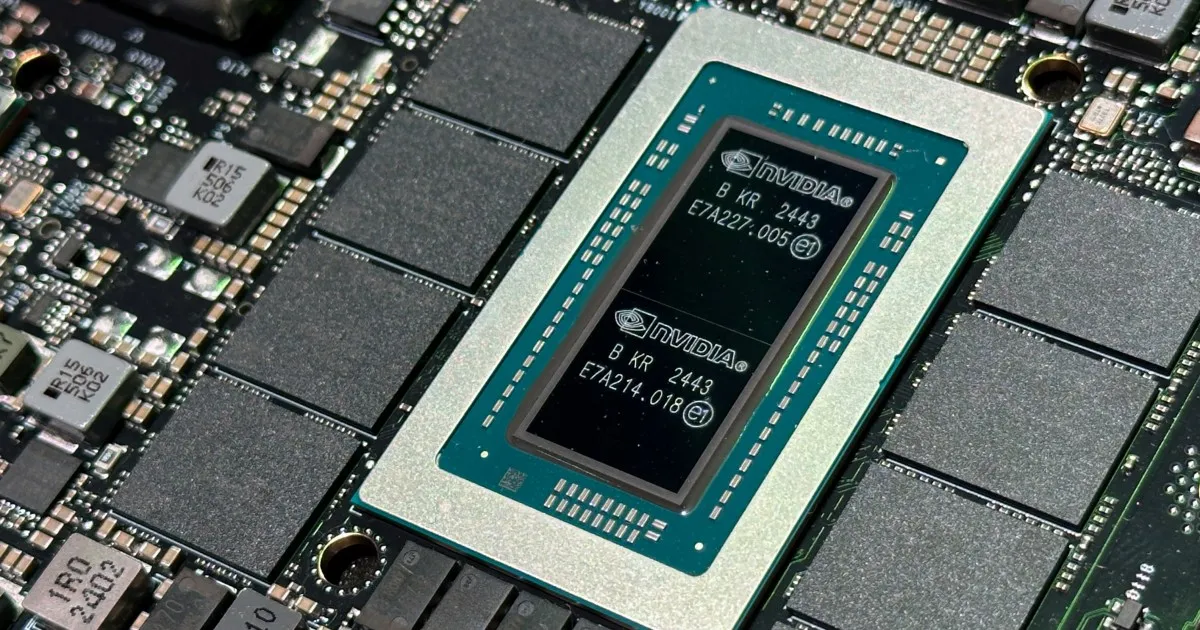
Nvidia, the world’s most valuable chip company, stated that its sales and vetting processes were already consistent with these clarified rules. A spokesperson for the company confirmed that licences are required to ship controlled products to PRC-headquartered companies, affirming that their existing approach aligned with the new guidance. Nvidia’s top-of-the-line Blackwell GPUs remain banned for export to China, although the company was allowed to sell its H200 chip to the country in December 2025 as part of a loosening of controls.
Competitors AMD and Intel, as well as manufacturer TSMC, did not immediately respond to requests for comment regarding the new guidance. The BIS also did not respond to inquiries. The clarification comes as Washington and Beijing continue to battle for dominance in the artificial intelligence sector, with the US maintaining numerous restrictions on the supply of high-end technology to China.