US claims Iran’s supreme leader alive and engaging in nuclear talks
Washington asserts Mojtaba Khamenei is participating via intermediaries following April 8 truce, but insists on significant nuclear concessions before any economic incentives are considered.
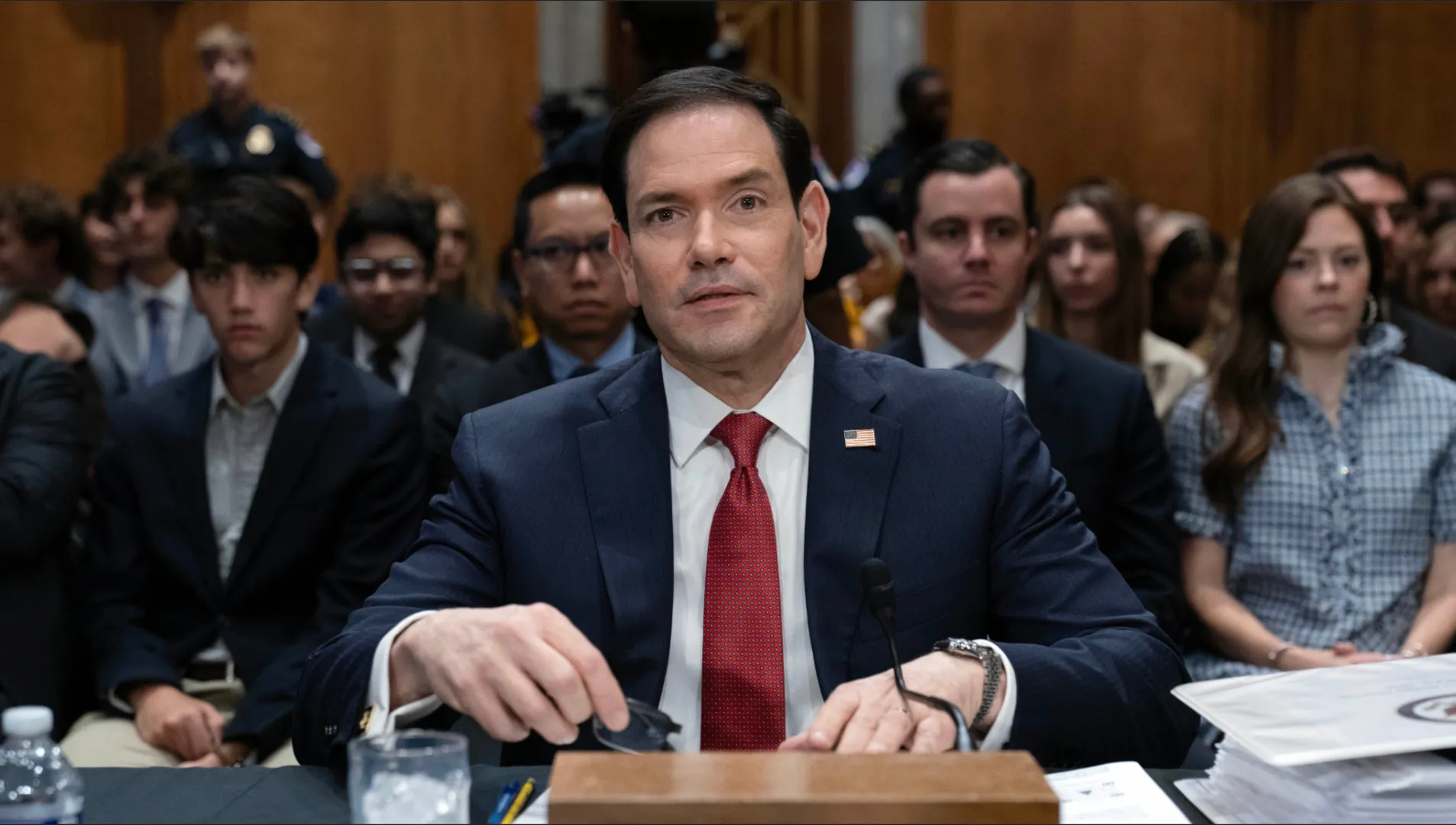
US Secretary of State Marco Rubio has provided the first detailed account of diplomatic engagement with Iran’s new leadership, testifying before the Senate Foreign Relations Committee that Supreme Leader Mojtaba Khamenei is alive and actively participating in negotiations. Rubio indicated that Khamenei is taking a more direct role in diplomatic discussions, communicating through intermediaries rather than public channels. This assertion marks a significant shift in the US understanding of the Iranian leadership’s status following the outbreak of conflict.
The confirmation of Khamenei’s involvement comes after he has remained unseen in public since the first day of the conflict, when US air strikes killed his father and predecessor, Ayatollah Khamenei. The new Supreme Leader’s engagement follows an April 8 truce, which Rubio described as a precursor to the current diplomatic efforts. While the US government has not released independent verification of the nature of these interactions, Rubio stated that the indications of Khamenei’s active role are sufficient for the administration to proceed with structured negotiations.
In outlining the United States’ position, Rubio clarified that sanctions relief would not be offered merely as an incentive for the reopening of the Strait of Hormuz. The Secretary of State emphasized that the reopening of the vital waterway and negotiations on nuclear stockpiles are prerequisites for any diplomatic progress. However, he stressed that significant concessions on Iran’s nuclear programme must precede any lifting of sanctions, rejecting the notion that security guarantees alone would trigger economic relief.
The diplomatic developments are unfolding against a backdrop of heightened commercial concern regarding the Strait of Hormuz. Recent discussions have seen shipping interests propose a $200,000 toll to mitigate the risks associated with potential closures of the waterway. This commercial response underscores the economic stakes involved, as businesses seek to secure access in an increasingly unstable geopolitical environment. The issue of Iran and the security of the Strait remains central to broader dialogue between the United States and China, coinciding with the ongoing Trump-Xi summit.
Rubio’s testimony before the Senate Foreign Relations Committee on Tuesday provided the framework for the US approach to the crisis. By linking nuclear concessions directly to sanctions relief, the administration has set a high bar for any potential agreement. The reliance on intermediary communication suggests a cautious diplomatic strategy, allowing for engagement while maintaining pressure on Tehran to address both the nuclear programme and regional security concerns before any substantive economic benefits are granted.