US claims ceasefire breakthrough as Israel and Hezbollah clash intensifies
President Donald Trump asserts that Israeli and Hezbollah forces have agreed to reduce hostilities, yet military operations persist amid high casualties and diplomatic friction.
US President Donald Trump has announced that Israel and Hezbollah have agreed to reduce hostilities, a claim made following discussions with Israeli Prime Minister Benjamin Netanyahu and indirect communication with the Lebanese militant group. Trump stated via social media that Israeli troops would not advance to Beirut and that shooting would cease on both sides, asserting that forces previously moving toward the capital had been turned back.
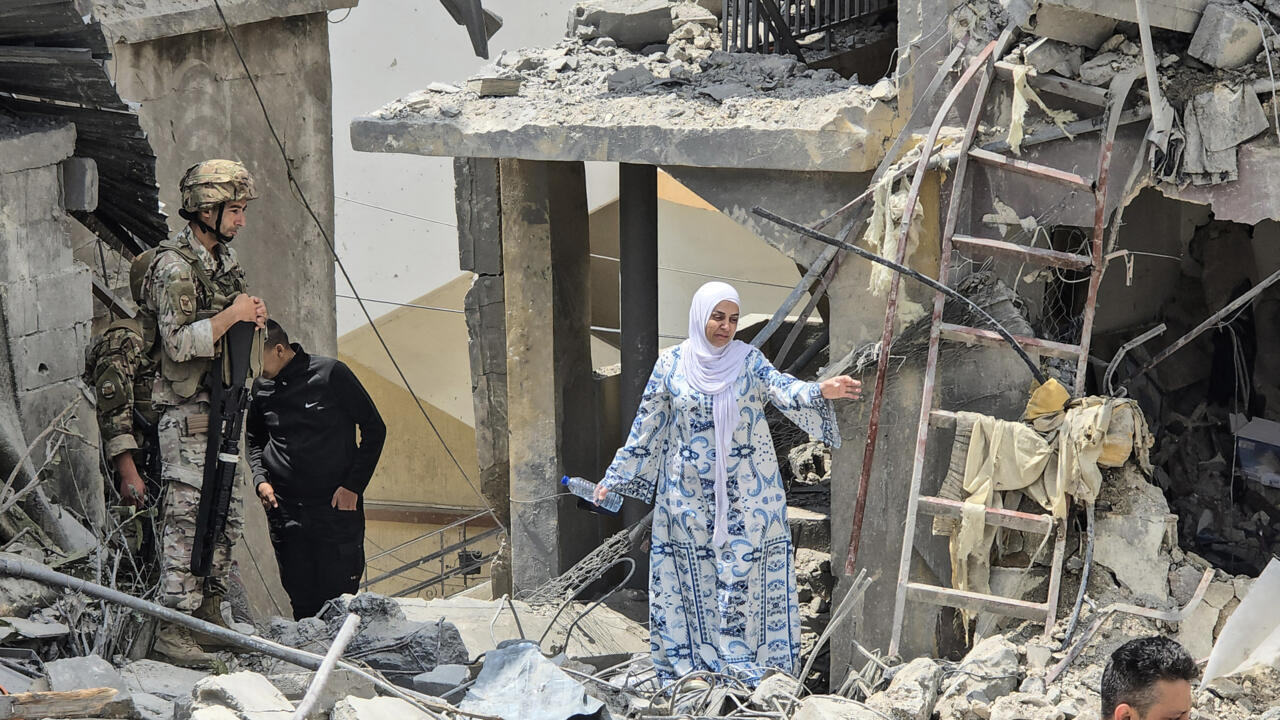
However, the assertion of a diplomatic breakthrough was immediately contradicted by ongoing military activity. Israel launched airstrikes on southern Lebanon, including Beirut’s southern suburbs, citing repeated ceasefire violations by Hezbollah. The Israeli military’s Arabic spokesman urged residents to leave the area, warning that continued attacks on Israeli communities would result in further strikes on the Dahiyeh district.
Hezbollah responded with rocket fire into northern Israel, including the outskirts of Haifa, and missile launches were detected by Israeli forces. Despite the reported agreement, tensions remained volatile, with large numbers of civilians fleeing affected areas in Lebanon and air raid sirens sounding in parts of Israel.
Lebanese authorities reportedly secured a proposal, approved by Hezbollah, whereby Israel would not strike Beirut’s southern suburbs and Hezbollah would not attack northern Israel. This development came as talks between Israeli and Lebanese negotiators were scheduled to take place in Washington, with Beirut seeking to widen the scope of non-attack zones to secure a complete ceasefire.
The conflict has resulted in significant humanitarian and military costs. In Lebanon, 3,433 people have been killed and over one million displaced. In Israel, at least 26 soldiers, a defence contractor, and two civilians have been killed, with Hezbollah’s use of fibre-optic drones posing a persistent challenge to Israeli air defences.
International reaction has been sharp. Saudi Arabia condemned Israel’s movement into Lebanon, while Iranian Foreign Minister Abbas Araghchi insisted that any ceasefire with Washington must include Lebanon. At the United Nations, officials highlighted violations of territorial integrity and previous Security Council resolutions by both sides.